.png)
Many people eat until their stomach feels full, yet still feel low on energy, distracted, or unsatisfied shortly afterward. Others finish a meal feeling lighter, steady, and comfortably energized—even if the portion was smaller. This difference highlights an important but often misunderstood concept: feeling full is not the same as feeling nourished.
Understanding this distinction can change how you approach meals, snacks, and long-term eating habits. It explains why some foods leave you craving more an hour later, while others support focus, mood, and stable energy throughout the day. Learning to recognize nourishment—not just fullness—helps you build a healthier relationship with food without strict rules or calorie counting.
What It Means To Feel Full
Fullness Is A Physical Sensation
Feeling full refers primarily to stomach volume. It happens when food stretches the stomach walls, triggering signals that tell your brain you’ve eaten enough. This sensation is mostly about quantity, not quality.
You Can Feel Full Very Quickly
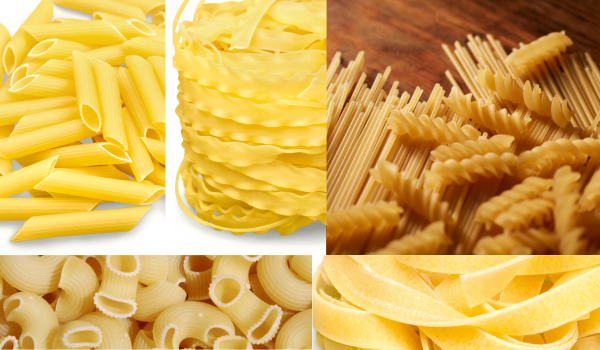
Foods high in refined carbohydrates, sugar, fat, or salt can create fullness fast. Large portions, fried foods, sugary snacks, or processed meals often fill the stomach without providing long-lasting fuel.
Fullness Does Not Guarantee Satisfaction
Many people feel physically full but still want to eat more—usually something sweet or salty. This is a sign that fullness alone didn’t meet the body’s deeper needs.
Fullness Can Fade Quickly
Meals lacking protein, fiber, or micronutrients often lead to hunger returning within one to two hours, even if you felt stuffed at the time.
What It Means To Feel Nourished
Nourishment Is A Whole-Body Experience
Feeling nourished goes beyond the stomach. It includes:
-
Stable energy
-
Clear thinking
-
Comfortable digestion
-
Reduced cravings
-
A sense of satisfaction after eating
Nourishment supports both physical and mental well-being.
Nourishment Comes From Nutrients, Not Just Calories
Your body needs vitamins, minerals, amino acids, healthy fats, and fiber to function well. When meals provide these consistently, the body responds with balance rather than urgency.
Nourishment Feels Calm, Not Heavy
Instead of feeling overly stuffed or sluggish, nourishment feels steady. You feel capable of moving, thinking, and continuing your day without a crash.
Nourishment Lasts Longer Than Fullness
A nourishing meal supports you for several hours, reducing the need for constant snacking or quick fixes.
Why You Can Feel Full But Still Under-Nourished
Highly Processed Foods Prioritize Volume And Flavor
Many modern foods are engineered to taste good and fill the stomach quickly, but they often lack essential nutrients. Chips, pastries, sugary drinks, and fast food can deliver a lot of calories with little nourishment.
Low Protein Meals Reduce Satiety Signals
Protein plays a major role in signaling fullness and supporting muscle, hormones, and repair. Meals without enough protein may leave the body unsatisfied even if the stomach is full.
Fiber Deficiency Affects Satisfaction
Fiber slows digestion, stabilizes blood sugar, and feeds gut health. Without it, meals may spike energy briefly and then crash.
Micronutrient Gaps Create Cravings
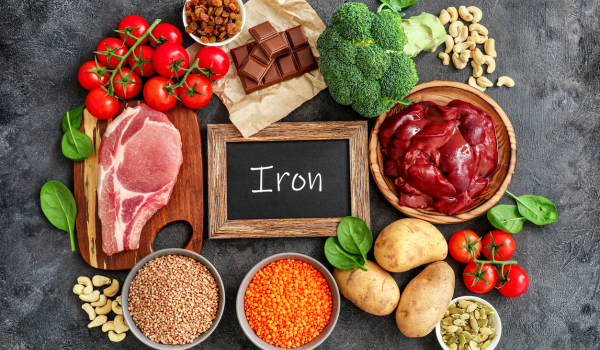
When the body lacks certain vitamins or minerals, it may trigger ongoing hunger or specific cravings in an attempt to meet those needs.
Signs You Felt Full But Not Nourished
-
You feel sleepy or foggy shortly after eating
-
Hunger returns quickly
-
You crave sweets or snacks even after a large meal
-
You feel heavy but not satisfied
-
Energy drops within one to two hours
These signals are not failures—they are feedback from the body.
Signs You Felt Nourished After A Meal
-
You feel comfortably satisfied, not stuffed
-
Energy remains steady
-
Focus and mood improve
-
You don’t think about food constantly afterward
-
Digestion feels smooth
-
Hunger returns gradually, not urgently
These experiences indicate that your meal met more than just calorie needs.
The Role Of Meal Composition In Nourishment
Protein Provides Structure And Stability
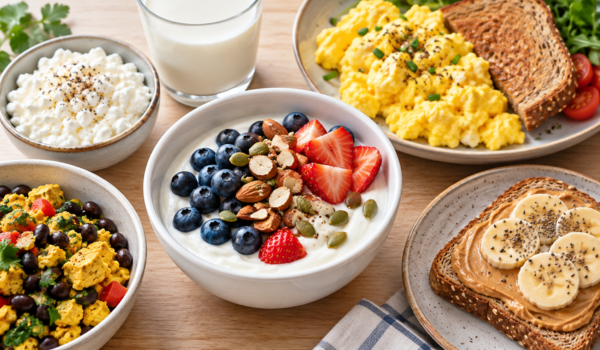
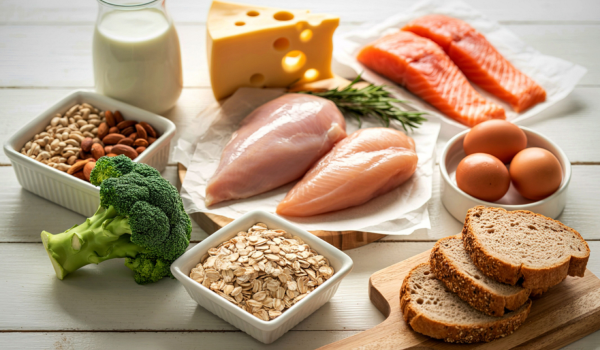
Protein supports muscle, hormones, immune function, and satiety. Including a protein source in meals helps the body feel supported rather than searching for more food.
Fiber Creates Lasting Satisfaction
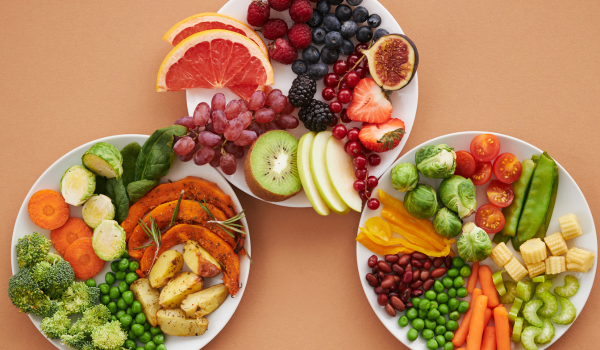
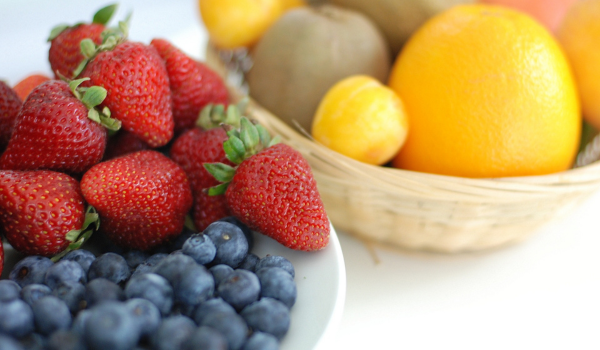
Vegetables, fruits, legumes, and whole grains add bulk without heaviness while slowing digestion. Fiber supports gut health and long-term fullness.
Healthy Fats Enhance Nutrient Absorption
Fats help absorb vitamins A, D, E, and K. They also add flavor and satisfaction, making meals feel complete.
Carbohydrates Provide Energy—When Chosen Wisely
Whole carbohydrates offer sustained energy, while refined carbs often lead to spikes and crashes. Balance matters more than elimination.
How Eating Pace Affects Fullness And Nourishment
Eating Too Fast Bypasses Awareness
When meals are rushed, the body doesn’t have time to register fullness or satisfaction properly. This often leads to overeating without nourishment.
Slower Eating Improves Signal Recognition
Pausing, chewing thoroughly, and putting utensils down occasionally helps the brain catch up with the stomach.
Mindful Eating Supports Nourishment
Paying attention to taste, texture, and hunger cues allows you to stop eating when nourished—not when uncomfortably full.
Emotional Eating And The Fullness Trap
Comfort Eating Often Aims For Fullness
Stress, boredom, or emotional discomfort may drive eating for distraction or comfort rather than nourishment.
Fullness Can Temporarily Mask Feelings
Heavy eating may dull emotions briefly but often leads to discomfort or guilt afterward.
Nourishment Supports Emotional Regulation
Balanced meals stabilize blood sugar and energy, making emotional eating episodes less intense over time.
How To Shift From Chasing Fullness To Seeking Nourishment
Start With Balanced Meals, Not Restriction
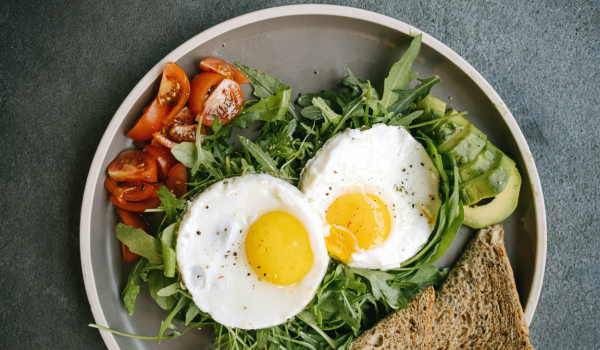
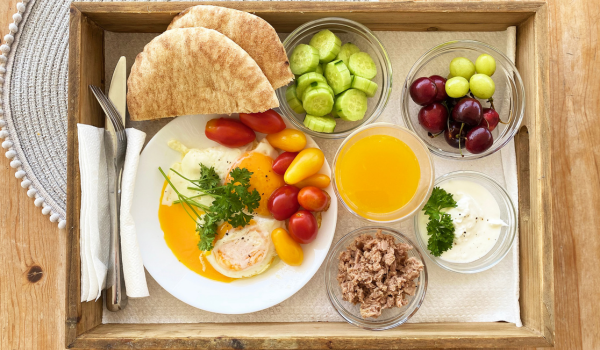
Aim to include:
-
A protein source
-
Fiber-rich vegetables or fruit
-
A carbohydrate source
-
Some healthy fat
This combination supports nourishment naturally.
Check In After Eating
Instead of asking “Am I full?” ask:
-
How do I feel physically?
-
How is my energy?
-
Do I feel satisfied or restless?
Let Hunger Return Gradually
Nourishment allows hunger to reappear gently. Sudden hunger often signals imbalance.
Avoid Labeling Foods As “Good” Or “Bad”
Rigid rules create disconnection. Focus on patterns, not perfection.
Why This Distinction Matters Long-Term
Supports Sustainable Eating Habits
When you eat to feel nourished, you rely less on willpower and more on body feedback.
Reduces Overeating Cycles
Understanding nourishment lowers the urge to chase fullness repeatedly.
Improves Energy And Focus
Nourishing meals support productivity, movement, and mood across the day.
Builds A Healthier Relationship With Food
Food becomes a tool for care, not control.
Conclusion
Feeling full and feeling nourished are not the same experience. Fullness is about volume, while nourishment is about meeting your body’s real needs—energy, stability, satisfaction, and function. By learning to recognize the difference, you can move away from eating just to fill your stomach and toward eating in a way that truly supports how you want to feel.
When meals are balanced, paced, and chosen with awareness, nourishment becomes the natural outcome. Over time, this shift leads to steadier energy, fewer cravings, and a calmer, more sustainable approach to eating.
Explore more everyday nutrition insights on Health365s.com to continue building habits that support both body and mind.

.png)

.png)
.png)
.png)
.png)
.png)
.png)
.png)
.png)
.png)
.png)
.png)
.png)
.png)
.png)


.png)
.png)
.png)
.png)