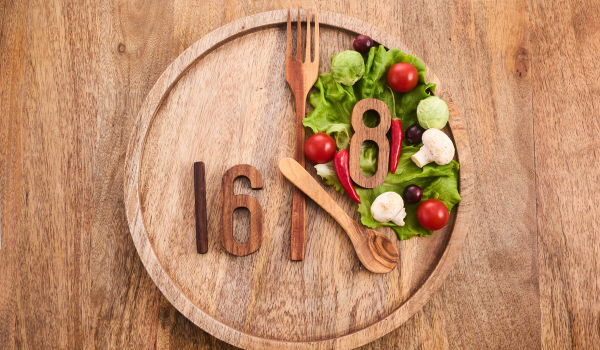
How the body responds to long eating gaps depends on more than willpower or routine. When hours pass without food, the body shifts how it manages energy, hormones, and focus. These changes are designed to protect survival, but in modern life they can create side effects that affect mood, digestion, and daily performance. Understanding these responses explains why long gaps between meals sometimes feel manageable and other times lead to fatigue, irritability, or overeating later.
Long eating gaps do not affect everyone the same way. Sleep quality, stress, activity level, and food choices earlier in the day all influence how strongly the body reacts. By learning what happens internally during extended periods without food, it becomes easier to make eating patterns that support energy instead of disrupting it.
How The Body Manages Energy During Food Gaps
Stored Glucose Becomes Primary Fuel
After a meal, the body uses glucose from food for energy. When eating is delayed, it turns to glycogen stored in the liver and muscles. This supply is limited and typically lasts several hours, depending on activity and metabolism.
Fat Breakdown Increases
As glucose stores decline, the body releases fatty acids from fat tissue. This helps maintain energy but changes how the brain and muscles function, which can affect alertness and endurance.
Metabolism Adjusts To Preserve Fuel
The body becomes more efficient with energy use. In some people, this leads to reduced spontaneous movement and lower perceived energy.
Hormonal Changes During Long Eating Gaps
Ghrelin Rises To Signal Hunger
Ghrelin increases as time passes without food, creating physical hunger sensations and mental focus on eating.
Insulin Drops To Release Energy Stores
Lower insulin allows stored glucose and fat to be used for fuel.
Cortisol May Increase
Prolonged gaps can raise cortisol, especially under stress. This can heighten tension and affect blood sugar stability.
Blood Sugar And Brain Function
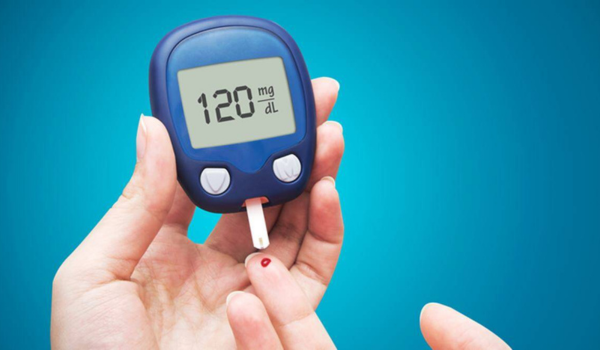
Glucose Is The Brain’s Preferred Fuel
When blood sugar drops, the brain becomes less efficient. This may cause difficulty concentrating, slower thinking, and mental fatigue.
Sharp Drops Trigger Strong Hunger
If meals were high in refined carbohydrates, blood sugar may fall more quickly, intensifying hunger signals.
Stable Meals Reduce Extreme Swings
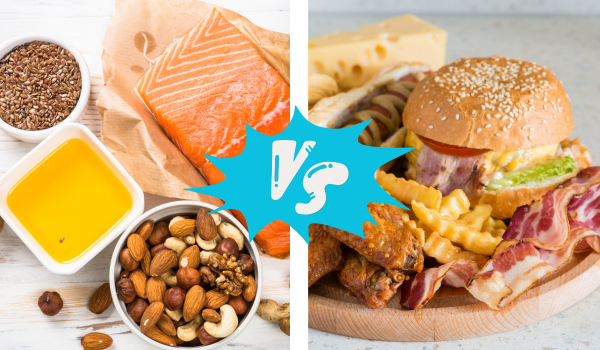
Protein, fiber, and fats slow digestion and help prevent rapid drops during longer gaps.
Emotional And Behavioral Effects
Irritability And Restlessness Increase
Low fuel availability can heighten emotional reactivity. Small stressors feel larger when the brain senses energy shortage.
Decision-Making Becomes Impaired
Hunger reduces patience and increases impulsivity, often leading to less balanced food choices later.
Food Preoccupation Develops
Long gaps increase mental focus on food, making it harder to concentrate on tasks.
Physical Sensations During Long Gaps
Stomach Growling And Discomfort
Muscle contractions increase when the stomach is empty, creating physical hunger cues.
Headaches And Lightheadedness
Lower blood sugar and mild dehydration can trigger these sensations.
Weakness Or Shakiness
Muscle cells receive less immediate fuel, especially after physical activity.
Digestive System Responses
Stomach Acid Continues Production
Even without food, acid is produced, which may increase discomfort for people prone to reflux or gastritis.
Gut Motility Slows
Digestive movement may decrease when the body is conserving energy.
Refeeding Can Feel Heavy
After long gaps, large meals may feel uncomfortable due to slowed digestion.
How Long Gaps Affect Appetite Regulation
Hunger Becomes Less Predictable
Extended fasting can blur hunger signals, making it harder to know when to eat.
Fullness Signals Are Delayed
After prolonged hunger, people may eat past comfort before the brain registers satiety.
Portion Control Becomes Harder
The drive to refuel increases intake speed and quantity.
Differences Between Short And Long Gaps
Short Gaps Support Normal Rhythm
Three to five hours between meals usually allows stable energy.
Long Gaps Create Stress Response
Eight or more hours without food during active periods can activate survival mechanisms.
Overnight Gaps Are Different
Sleep lowers energy demand, so nighttime fasting is less stressful than daytime fasting.
Role Of Physical Activity
Movement Increases Fuel Use
Exercise during long gaps accelerates glycogen depletion and hunger onset.
Low Activity Reduces Immediate Signals
Sedentary days may delay hunger but still require nutrients.
Timing Matters
Morning workouts without food may intensify later hunger, while evening activity may delay appetite.
Impact Of Stress On Eating Gaps
Stress Masks Hunger Initially
Adrenaline suppresses appetite temporarily.
Rebound Hunger Occurs Later
Once stress drops, hunger can surge suddenly.
Chronic Stress Disrupts Signals
Long-term stress changes hormone balance and appetite patterns.
Hydration And Long Eating Gaps
Thirst Can Mimic Hunger
Dehydration creates similar sensations to hunger.
Water Helps Maintain Blood Volume
This supports circulation and brain function during gaps.
Caffeinated Drinks Alter Appetite
They suppress hunger short-term but may worsen later drops.
Long-Term Patterns From Repeated Long Gaps
Erratic Eating Cycles Form
Alternating between long gaps and large meals stresses regulation systems.
Energy Fluctuations Increase
Peaks and crashes become common.
Relationship With Food Becomes Reactive
Eating becomes driven by extremes instead of signals.
Who Is Most Sensitive To Long Eating Gaps
People With High Mental Workloads
Brain energy needs are constant.
Those With Irregular Sleep
Hormone disruption intensifies hunger swings.
Individuals With Digestive Conditions
Empty stomach acid can increase discomfort.
Signs Long Gaps Are Affecting You
-
Strong irritability before meals
-
Dizziness or headaches
-
Difficulty concentrating
-
Overeating once food is available
-
Fatigue in the afternoon
-
Digestive discomfort after meals
These are physiological responses, not personal weakness.
How To Reduce Negative Effects Of Long Gaps
Plan Balanced Meals
Include protein, fiber, and healthy fats.
Avoid Skipping Meals During High Activity
Match intake with energy use.
Use Small Snacks If Needed
Light foods stabilize blood sugar.
Interpreting Hunger After Long Gaps
Hunger Feels More Urgent
It reflects survival signaling.
Cravings Increase
The brain seeks fast fuel.
Slower Eating Helps Regulation
This allows fullness cues to catch up.
Building A More Stable Eating Pattern
Consistent Timing Trains Hormones
Predictable intake reduces extremes.
Flexible Portions Respect Daily Needs
Not every day requires the same amount.
Hydration Supports Appetite Clarity
Fluids prevent false hunger.
Why Awareness Matters More Than Rules
Rigid Schedules Ignore Body Signals
Flexibility improves sustainability.
Understanding Prevents Guilt
Physiology explains behavior.
Small Adjustments Create Balance
Minor changes improve long-term comfort.
Long-Term Benefits Of Reducing Extreme Gaps
More Stable Energy
Fewer crashes and spikes.
Better Digestion
Less discomfort after meals.
Improved Mood And Focus
Fuel supports emotional regulation.
Healthier Eating Relationship
Food becomes supportive, not reactive.
Conclusion
The body responds to long eating gaps by shifting energy use, changing hormones, and altering hunger perception. These adaptations are protective but can lead to fatigue, irritability, and overeating when gaps become frequent or excessive. Hunger after long gaps is a biological signal, not a lack of discipline.
By recognizing how the body reacts to extended periods without food, people can choose patterns that support stable energy and comfort. Eating in a way that respects both hunger and daily demands helps maintain focus, digestion, and overall well-being. Explore more practical nutrition insights on Health365s.com to build habits that work with your body’s natural rhythms and support long-term health.














.png)
.png)
.png)
.png)


.png)
.png)
.png)
.png)
.png)
.png)
.png)
.png)
.png)
.png)




.png)
.png)
.png)
.png)
.png)
.png)
.png)
.png)