

Not everyone lives by a predictable schedule. Shift work, freelancing, caregiving, long commutes, travel, or irregular workloads can make fixed meal times unrealistic. When days are unpredictable, eating often becomes reactive—skipped meals, rushed snacks, or overeating late in the day. Over time, this pattern can affect energy, digestion, and overall well-being.
Eating well without fixed meal times is not about forcing structure where it does not fit. It is about creating flexible habits that support your body even when your schedule changes from day to day. With the right approach, balanced eating is possible without strict clocks or rigid routines.
Why Irregular Schedules Can Disrupt Eating Habits
Missed Hunger Signals
When days are busy or chaotic, it becomes easy to ignore early hunger cues. By the time you eat, hunger may feel intense, increasing the likelihood of overeating or choosing quick, less nourishing foods.
Energy Swings Become More Common
Long gaps between meals can lead to low blood sugar, fatigue, irritability, and difficulty focusing. These energy dips are often mistaken for stress or lack of sleep.
Digestive Discomfort May Increase
Eating large meals after long periods without food can strain digestion, leading to bloating or heaviness.
Food Choices Become Reactive
Without a plan, food decisions are often driven by convenience rather than nourishment.
Focus On Eating By Cues, Not The Clock
Hunger Is A Valid Signal
When meal times are unpredictable, hunger cues become more important than schedules. Learning to eat when hunger begins—rather than when it becomes extreme—helps maintain balance.
Gentle Fullness Matters
Stopping when you feel comfortably satisfied supports digestion and energy, even if the timing feels unusual.
Energy And Focus Are Feedback Tools
Sudden fatigue, brain fog, or irritability often signal that your body needs fuel, not willpower.
Build Flexible Meal Anchors Instead Of Fixed Times
Think In Eating Windows, Not Exact Hours
Instead of set meal times, aim for eating opportunities every few hours when possible. This allows flexibility without long fasting gaps.
Use “Anchor Foods” To Stabilize Intake
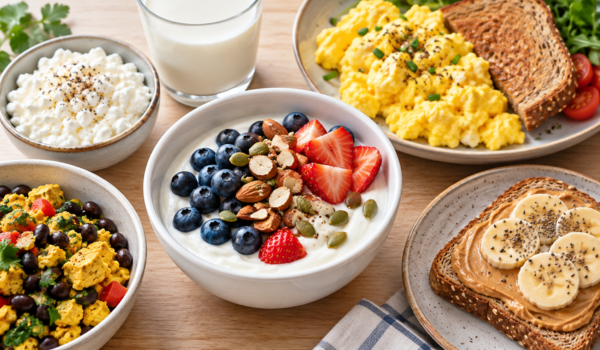
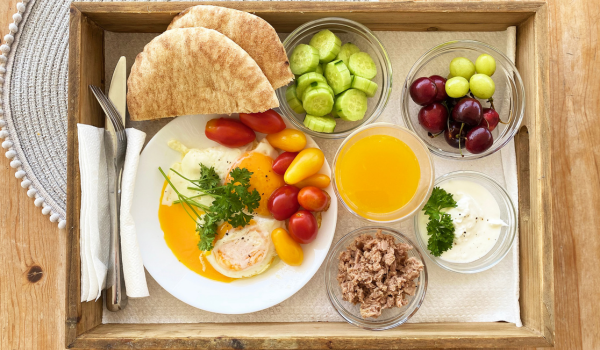
Anchor foods are reliable, easy options you can eat anytime:
-
Yogurt with fruit
-
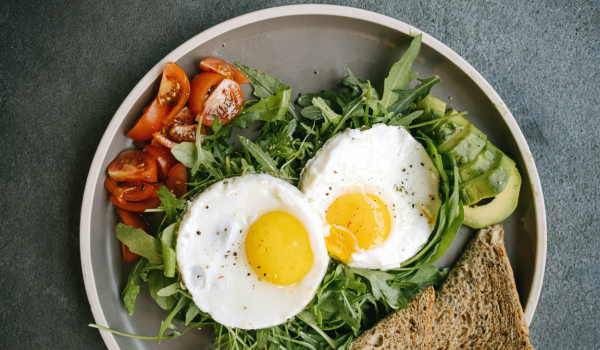
Eggs
-
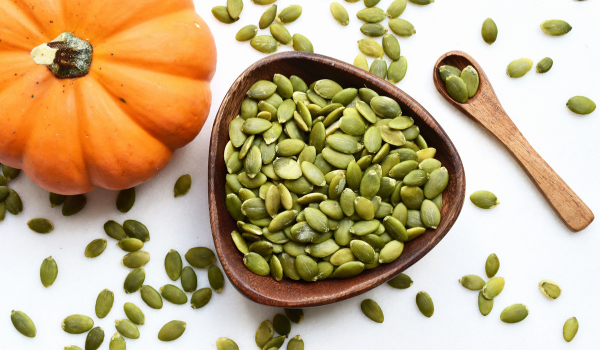
Nuts and seeds
-
Whole-grain wraps
-
Soups or leftovers
These foods provide balance even when meals are irregular.
Let One Consistent Meal Lead The Day
If possible, keep one meal relatively consistent—often breakfast or dinner. This helps regulate hunger patterns even if other meals vary.
Prioritize Balanced Snacks When Meals Are Delayed
Snacks Can Function As Mini-Meals
When a full meal isn’t possible, combine:
-
Protein
-
Fiber
-
Carbohydrates
Examples include fruit with nuts, yogurt with oats, or hummus with whole-grain crackers.
Avoid Relying Only On Quick Sugars
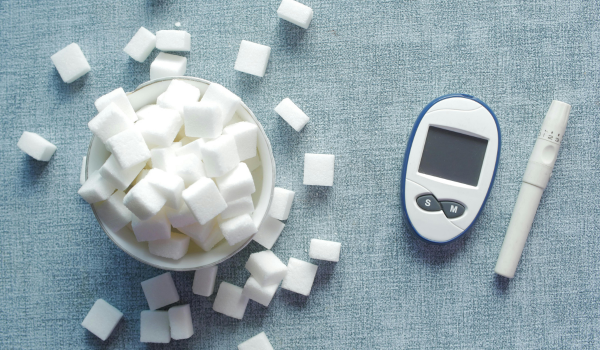
Sugary snacks may provide short-term energy but often lead to crashes. Balanced snacks support steadier energy.
Keep Snacks Accessible
Having nourishing options available reduces the chance of skipping food entirely.
Choose Foods That Support Long-Lasting Energy
Protein Helps Bridge Time Gaps
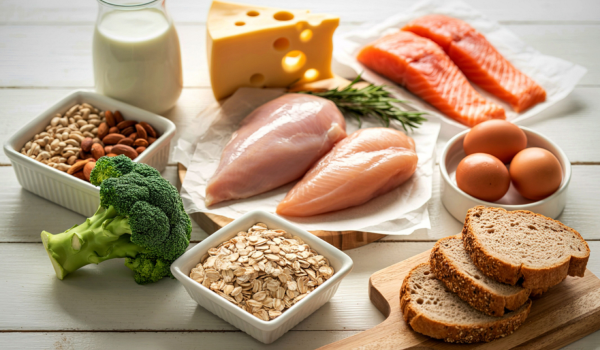
Including protein whenever you eat helps control hunger and maintain energy between eating opportunities.
Fiber Slows Digestion And Improves Satiety
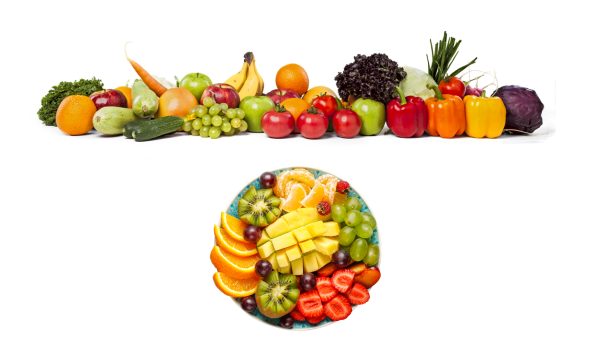
Vegetables, fruits, legumes, and whole grains support fullness without heaviness.
Healthy Fats Add Staying Power
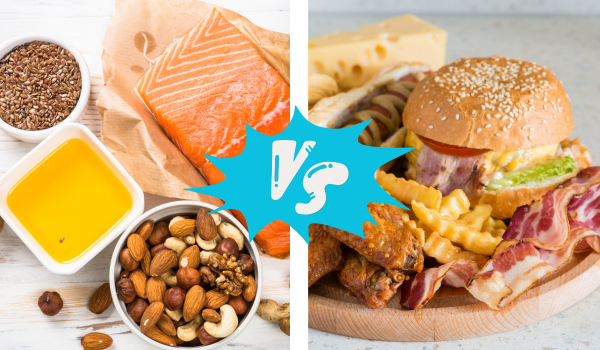
Fats from foods like olive oil, nuts, seeds, and avocado help meals last longer.
Hydration Plays A Key Supporting Role
Dehydration Can Mask Hunger
Mild dehydration may feel like fatigue or hunger. Staying hydrated helps clarify true hunger cues.
Sip Fluids Throughout The Day
Consistent hydration supports digestion and energy when meal timing varies.
Water-Rich Foods Help Too
Fruits, vegetables, soups, and stews contribute to hydration and nourishment.
Avoid The “All-Or-Nothing” Eating Trap
Skipping Meals Does Not Build Discipline
Long gaps often lead to overeating later, not balance.
Late Meals Are Better Than No Meals
Eating later than planned is still supportive. Nourishment matters more than timing perfection.
Flexibility Is A Strength, Not A Failure
Eating well on irregular days means adapting—not controlling.
Practical Strategies For Unpredictable Days
Prepare Portable Options
Foods that travel well provide flexibility when plans change.
Eat When You Can, Not When You Should
If an opportunity to eat appears earlier than expected, taking it can prevent later energy crashes.
Listen To Patterns Over Time
One irregular day doesn’t define health. Look at weekly trends instead of daily perfection.
Long-Term Benefits Of Flexible Eating Patterns
More Stable Energy
Consistent nourishment reduces extreme highs and lows.
Improved Digestive Comfort
Smaller, balanced eating occasions are often easier to digest.
Better Relationship With Food
Eating becomes responsive rather than reactive.
Greater Sustainability
Flexible habits are easier to maintain long term than rigid schedules.
Conclusion
Eating well without fixed meal times is entirely possible when you shift focus from the clock to your body’s cues. By prioritizing balanced foods, flexible eating windows, and consistent nourishment, you can support energy, digestion, and overall balance—even on unpredictable days.
Healthy eating does not require perfect schedules. It requires awareness, preparation, and adaptability. Over time, these habits create stability where structure is limited.
Explore more practical nutrition guidance on Health365s.com to continue building eating habits that work in real life

.png)










.png)
.png)
.png)
.png)

.png)
.png)
.png)
.png)
.png)
.png)
.png)
.png)
.png)
.png)

.png)
.png)
.png)
.png)

