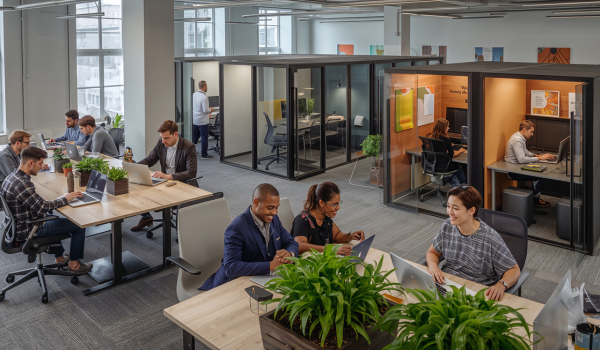
Open-plan workspaces are designed to encourage collaboration and efficiency, but they also reshape how and when people eat. With shared desks, constant movement, and fewer private moments, meals and snacks often happen under social and environmental pressure. Hunger cues compete with noise, visibility, and routine interruptions. Understanding how open-plan offices influence eating helps explain why food choices feel different at work and how small adjustments can support better nourishment during the day.
How Open-Plan Layouts Influence Eating Behavior
Constant Visibility And Self-Awareness
In open-plan offices, eating rarely happens unnoticed. When desks are shared and coworkers are nearby, food choices become visible to others. This visibility can increase self-consciousness around what, when, and how much to eat.
Some people delay eating to avoid drawing attention, while others choose foods they believe appear appropriate rather than foods that meet their needs. This social awareness subtly shifts eating decisions away from hunger and toward perception.
Reduced Physical Boundaries Around Meals
Traditional offices often had clear spaces for eating, such as break rooms or private offices. Open layouts blur these boundaries. People eat at their desks, during meetings, or while standing nearby.
Without a clear transition into a meal, eating becomes fragmented. Snacks replace meals, and meals lose their sense of beginning and end. This lack of structure weakens satiety and makes eating feel less satisfying.
Noise, Distraction, And Appetite Awareness
Cognitive Load And Missed Hunger Signals
Open-plan environments are noisy and visually busy. Conversations, notifications, and movement demand constant attention. This cognitive load makes it harder to notice subtle hunger cues.
Hunger may be ignored until it becomes intense, or it may be mistaken for fatigue or stress. Eating decisions then become reactive rather than responsive, often driven by convenience instead of need.
Distracted Eating And Reduced Satisfaction
When eating occurs alongside work tasks, the brain divides attention. Taste, texture, and fullness signals are registered less clearly. Meals consumed under distraction often feel incomplete, even if enough food was eaten.
This reduced satisfaction can lead to additional snacking later. The body has received energy, but the brain has not fully acknowledged the meal.
Social Norms And Eating Timing At Work
Unspoken Rules Around Breaks
Open offices often develop informal norms about when it is acceptable to eat. People may avoid eating during meetings or feel pressure to match coworkers’ schedules.
Lunch may be delayed if others are working through it. Snacks may be eaten collectively at certain times. These patterns shape eating timing more than individual hunger.
Mirroring Coworker Behavior
Eating is a social activity. When one person snacks, others may follow. When a team skips lunch, individuals may do the same to fit in.
This mirroring happens automatically. Over time, group habits become personal habits, even if they do not align with individual energy needs.
Desk Eating And Its Effects On Satiety
Blurring Work And Meal Time
Eating at a desk removes the pause that normally signals a meal. Food is consumed alongside emails, calls, or documents. This blurring reduces the psychological boundary between working and eating.
Without that boundary, satiety cues may be delayed. The body does not receive a clear signal that nourishment has occurred, increasing the likelihood of continued grazing.
Posture And Eating Speed
Desk eating often happens quickly and in poor posture. People may lean forward, eat rapidly, and return immediately to work. This speed limits the time satiety hormones need to activate.
Faster eating increases the chance of overeating or discomfort later. Slower, more deliberate meals support better digestion and satisfaction.
The Role Of Food Availability In Shared Spaces
Communal Snacks And Shared Treats
Open offices often include shared food, such as snacks on a table or treats brought in by coworkers. Free and visible food increases the likelihood of eating regardless of hunger.
Because these foods are communal, refusing them can feel socially awkward. Eating becomes part of maintaining relationships, not just meeting energy needs.
Proximity And Frequency Of Eating
When food is close by, people are more likely to eat frequently. A snack bowl within reach invites repeated small bites rather than intentional portions.
This frequent intake can dull hunger awareness. The body receives energy continuously without experiencing clear hunger or fullness cycles.
Stress And Eating In Open Environments
Heightened Stress Responses
Open-plan offices can increase stress due to noise, interruptions, and lack of privacy. Stress hormones influence appetite, often increasing cravings for quick energy foods.
Eating becomes a coping mechanism rather than a response to hunger. This pattern links stress relief with food, especially sugary or refined snacks.
Decision Fatigue Throughout The Day
Constant interaction and multitasking increase mental fatigue. As the day progresses, choosing what and when to eat becomes harder.
Under fatigue, people default to the easiest available options. This is not a lack of discipline but a natural response to cognitive overload.
How Open-Plan Work Affects Meal Structure
Shortened Or Skipped Meals
Meetings and interruptions can shorten lunch breaks or eliminate them entirely. Meals become rushed or postponed.
When meals are skipped, hunger builds and later eating becomes more intense. This pattern increases reliance on snacks and reduces meal satisfaction.
Fragmented Intake Patterns
Instead of one complete lunch, eating may occur in small pieces across the afternoon. While this may prevent extreme hunger, it often prevents full satiety.
The body receives fuel without a sense of completion, leading to ongoing appetite.
Supporting Better Eating In Open-Plan Offices
Creating Clear Meal Moments
Whenever possible, stepping away from the desk to eat helps create a boundary. Even a short walk to a quieter space signals a transition into a meal.
This pause allows attention to shift from work to eating, supporting satiety and digestion.
Planning Meals That Support Satiety
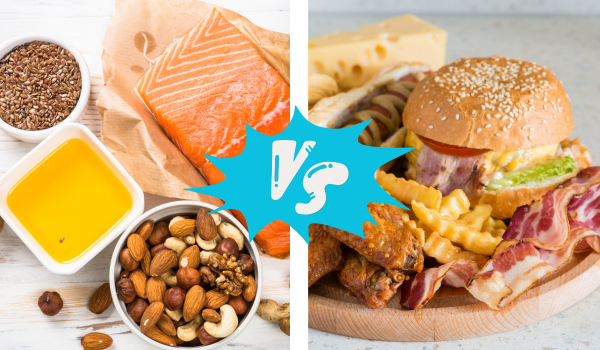
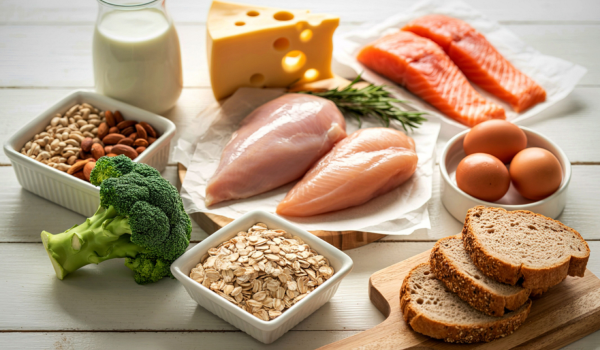
Meals that include protein, fiber, and healthy fats provide longer-lasting fullness. When meals are satisfying, the pull of communal snacks decreases.
Balanced meals reduce the need for frequent snacking and support steadier energy through the afternoon.
Using Snacks Intentionally
Snacks can be helpful when chosen for nourishment rather than habit. Selecting snacks with protein and fiber supports energy without triggering repeated eating.
Treating snacks as planned mini-meals rather than constant bites restores structure.
Managing Visibility And Environment
Keeping personal snacks stored out of constant view reduces automatic eating. Choosing when to access food rather than having it always present supports hunger awareness.
Small changes in placement can significantly influence behavior.
Navigating Social Eating Without Pressure
Separating Social Connection From Constant Eating
Participating in conversations does not require eating every time food is present. Recognizing this reduces pressure to snack socially.
Choosing when to eat based on hunger rather than presence builds confidence in personal needs.
Accepting Occasional Social Snacks
Eating for social reasons is part of human connection. Occasional participation does not disrupt overall patterns.
Viewing eating over several days rather than individual moments reduces guilt and supports balance.
Rebuilding Hunger Awareness At Work
Checking In Before Eating
A brief pause to assess hunger helps distinguish need from routine. Asking whether food is needed for energy or comfort builds awareness.
This practice does not require restriction, only attention.
Eating With Focus When Possible
Even short periods of focused eating improve satisfaction. Noticing taste and texture allows the brain to register intake more clearly.
Focused eating strengthens the connection between food and fullness.
Open-plan workspaces shape eating through visibility, distraction, and social dynamics. Meals and snacks are influenced by environment as much as by hunger. By understanding these pressures, people can make small, practical changes that support better nourishment at work. Creating clearer meal moments, choosing satisfying foods, and respecting internal cues help restore balance. Learn more about how workplace design affects eating, explore strategies that fit your office routine, and take action today to eat well in open-plan environments.







.png)
.png)
.png)
.png)
.png)
.png)
.png)
.png)
.png)
.png)
.png)
.png)
.png)
.png)

.png)
.png)
.png)
.png)
.png)
.png)
.png)
.png)