

Many people believe that eating healthy requires frequent grocery trips, special ingredients, or carefully planned recipes. In reality, some of the most balanced and practical meals can be made using foods that are already in your kitchen. Learning how to create healthy meals from what you have reduces stress, saves money, and makes healthy eating more sustainable in everyday life.
Instead of asking “What should I cook?” a more helpful question is “What do I already have, and how can I use it well?” This mindset shifts eating away from perfection and toward practicality—an approach that works especially well for busy schedules and real-life routines.
Why Cooking With What You Have Supports Health And Consistency
Reduces Decision Fatigue
Constantly planning new meals can feel overwhelming. Using familiar ingredients simplifies choices and lowers mental effort.
Encourages Balanced, Flexible Eating
When you stop chasing specific recipes, you learn to build meals based on balance rather than rules.
Helps Prevent Food Waste
Using what is already available means fewer forgotten leftovers and expired foods.
Supports Long-Term Healthy Habits
Practical eating patterns are easier to maintain than idealized plans.
Start By Taking Inventory Without Judgment
Look At What You Actually Have
Check your refrigerator, freezer, and pantry. Notice:
-
Proteins (eggs, beans, meat, tofu, yogurt)
-
Vegetables (fresh, frozen, canned)
-
Carbohydrates (rice, pasta, potatoes, bread, grains)
-
Fats and flavorings (oil, sauces, spices)
Avoid Labeling Foods As “Good” Or “Bad”
Every ingredient can play a role. The goal is balance, not elimination.
Group Foods By Function, Not Recipe
Think in terms of building blocks rather than finished dishes.
Use A Simple Meal-Building Framework
One Protein
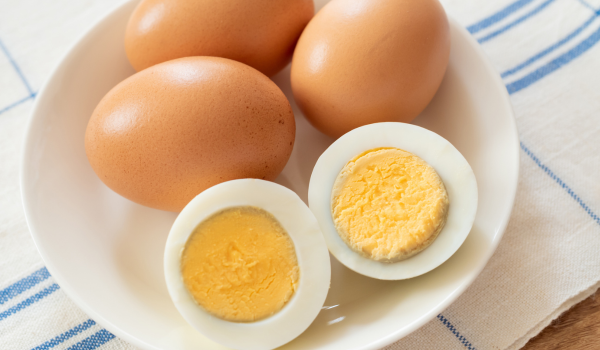
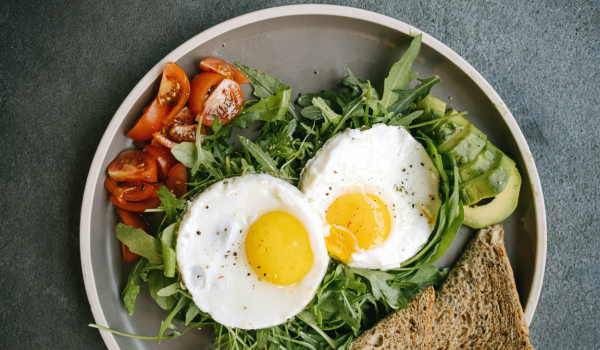
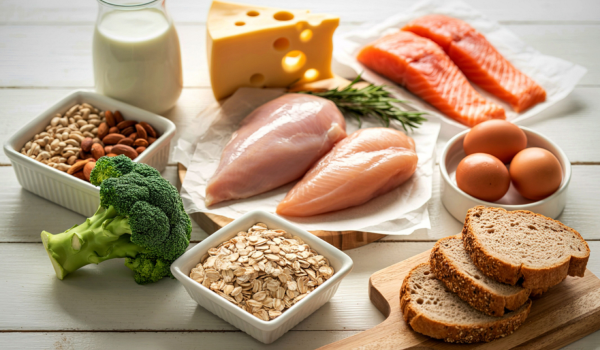
Protein supports fullness, muscle health, and stable energy. Examples include eggs, beans, lentils, chicken, fish, tofu, or leftovers.
One Or More Vegetables
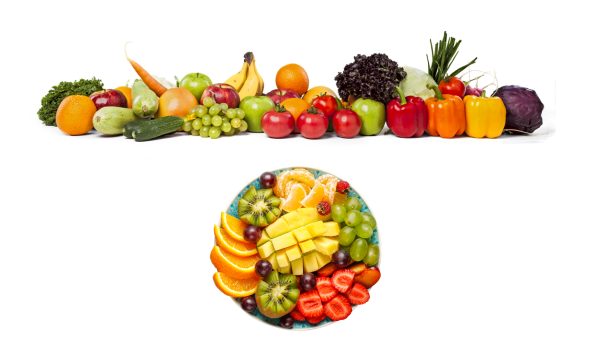
Vegetables add fiber, vitamins, and volume. Fresh, frozen, or canned all count.
One Carbohydrate Source
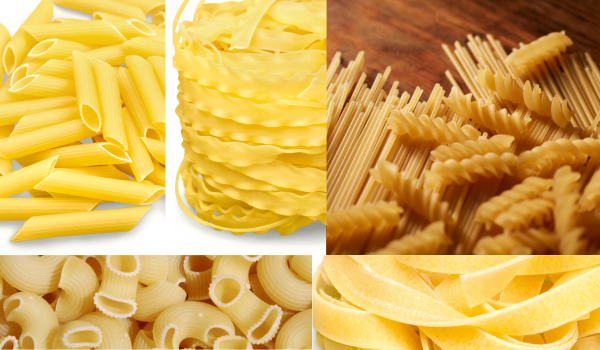
Carbohydrates provide energy. Rice, pasta, bread, potatoes, or grains can all fit.
Some Healthy Fat Or Flavor
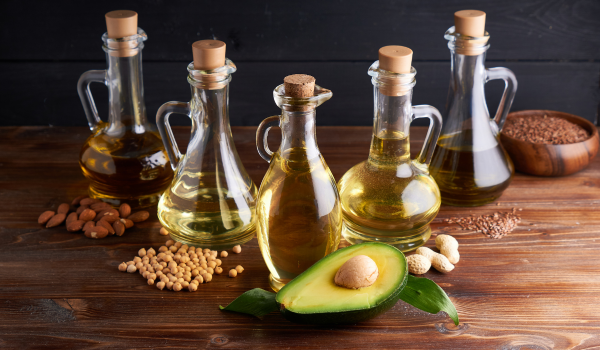
Oils, nuts, seeds, cheese, sauces, or spices make meals satisfying and enjoyable.
This framework works regardless of cuisine or ingredients.
Turn Leftovers Into New Meals
Reframe Leftovers As Ingredients
Instead of reheating the same meal repeatedly, repurpose leftovers:
-
Cooked vegetables can go into omelets or grain bowls
-
Leftover protein can become wraps, salads, or stir-fries
-
Grains can be turned into soups or mixed bowls
Mix And Match Freely
You don’t need everything to “match.” Balanced meals don’t require perfect flavor harmony.
Portion Based On Hunger, Not Appearance
Leftover meals don’t need to look perfect to nourish the body.
Make Vegetables Easier To Use
Frozen Vegetables Are A Valuable Tool
They are already washed and cut, making them easy to add to meals quickly.
Simple Cooking Methods Work Best
Steaming, sautéing, or roasting vegetables with basic seasoning keeps preparation easy.
Add Vegetables To Familiar Foods
Vegetables can be added to pasta, rice, eggs, soups, or sandwiches without changing the meal completely.
Build Meals Without Cooking From Scratch
Assembly Meals Count As Real Meals
Not every meal needs heat or cooking time. Examples include:
-
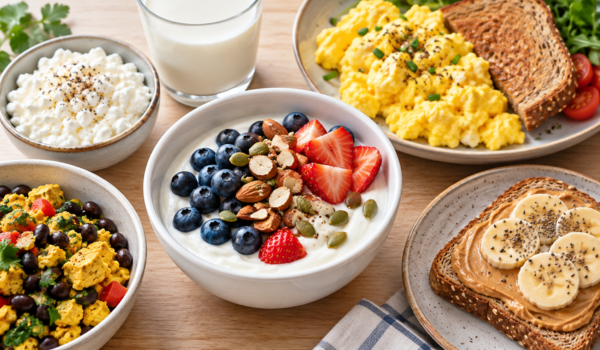
Yogurt with fruit and nuts
-
Sandwiches with vegetables and protein
-
Salads using canned beans or leftover protein
-
Wraps using tortillas and available fillings
Use Convenience Foods Strategically
Pre-cooked grains, canned legumes, and store-bought sauces can support healthy meals when used thoughtfully.
Flavor Matters More Than Variety
Use What You Enjoy
Healthy meals are more likely to be eaten when they taste good. Use familiar seasonings and sauces.
Keep A Few Reliable Flavor Boosters
Items like olive oil, vinegar, garlic, herbs, spices, or condiments can transform simple ingredients.
Avoid Overcomplicating Meals
Simple, flavorful food supports consistency better than complex recipes.
Adjust Portions Based On Your Needs
Listen To Hunger And Energy Levels
Portion sizes can change depending on activity, stress, or schedule.
Balance Matters More Than Precision
You do not need perfect ratios. Aim for satisfaction and comfort after eating.
Meals Can Be Small Or Large
Some days require lighter meals, others more substantial ones.
Common Barriers And How To Overcome Them
“There’s Nothing To Eat” Feeling
This often means nothing feels ready, not that food is unavailable. Assembly meals help solve this.
Lack Of Motivation To Cook
Low-energy days are normal. Choose meals that match your energy level.
Fear Of “Unhealthy” Choices
Balance across the day or week matters more than any single meal.
How This Approach Supports Long-Term Health
Encourages Flexibility Instead Of Restriction
Flexible eating reduces stress and improves sustainability.
Supports Regular Eating Patterns
Meals become easier to assemble, reducing skipped meals.
Builds Confidence In Food Choices
Trust grows when you learn to feed yourself without rules.
Improves Relationship With Food
Food becomes a resource rather than a source of pressure.
Conclusion
Creating healthy meals using what you already have is one of the most practical skills for long-term wellness. By focusing on balance, flexibility, and simple building blocks, you can nourish your body without constant planning, shopping, or stress.
Healthy eating does not require perfect ingredients or complicated recipes. It requires awareness, adaptability, and a willingness to work with what is available. Over time, this approach builds confidence, consistency, and a more relaxed relationship with food.
Explore more everyday nutrition guidance on Health365s.com to continue building healthy habits that fit real life.

.png)



.png)
.png)
.png)
.png)
.png)
.png)
.png)
.png)
.png)
.png)
.png)
.png)
.png)
.png)


.png)
.png)
.png)
.png)

