

Fueling your body properly before exercise can improve performance, delay fatigue, and enhance recovery. But when choosing a pre-workout snack, should you prioritize carbohydrates or protein?
The answer depends on your workout type, intensity, and personal goals—but in most cases, carbohydrates take the lead before exercise.
Why Carbohydrates Matter Before a Workout
Carbohydrates are your body’s preferred energy source. When you eat carbs, they are broken down into glucose and stored in your muscles and liver as glycogen. During exercise, your body taps into these glycogen stores to power muscle contractions and maintain stable blood sugar levels.
For moderate- to high-intensity workouts, glycogen is essential. Activities like running, cycling, HIIT sessions, and resistance training rely heavily on carbohydrate availability. Without sufficient glycogen, you may experience early fatigue, reduced endurance, and lower training intensity.
A general guideline is to consume about 1–2 grams of carbohydrates per kilogram of body weight one to two hours before exercise. For someone weighing 150 pounds (68 kg), that may equal roughly 60–70 grams of carbohydrates before training.
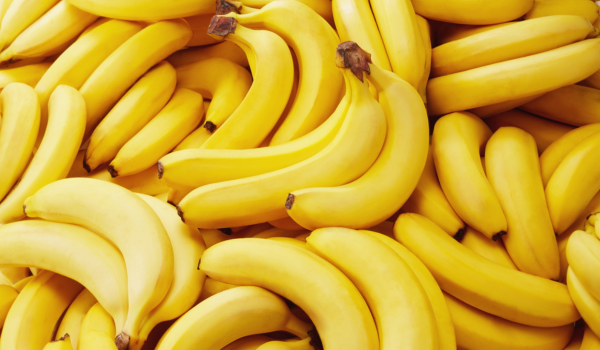
If you exercise shortly after waking, a smaller carbohydrate source—around 20–30 grams—such as a banana or a small portion of dried fruit may be sufficient.
When Protein Plays a Role Before Exercise
While carbohydrates are the primary pre-workout fuel, protein can still be beneficial—especially for strength training.
Consuming 20–40 grams of protein along with carbohydrates before resistance workouts may:
-
Support muscle protein synthesis
-
Reduce muscle breakdown
-
Improve glycogen storage
-
Decrease post-exercise muscle damage
However, large amounts of protein immediately before training can cause digestive discomfort in some individuals. High-protein meals may slow digestion and potentially lead to bloating or heaviness during exercise.
For strength-focused sessions, a balanced combination of carbs and moderate protein often works best.
Matching Nutrition to Workout Type
Your workout determines how you should fuel.
For long endurance sessions, such as marathon training, simple carbohydrates with a small amount of protein and fat may provide sustained energy.
For short, high-intensity cardio sessions, carbohydrate-only snacks may be ideal for quick energy.
For resistance or strength training, combining carbohydrates and protein before and after exercise can help maximize muscle repair and growth.
Low-intensity workouts, such as walking or gentle yoga, rely more on fat for energy and may not require as much carbohydrate intake beforehand.
What to Eat After a Workout
Post-workout nutrition is just as important as pre-workout fueling.
After exercise, your body needs:
-
Carbohydrates to replenish depleted glycogen
-
Protein to repair and rebuild muscle tissue
Muscle glycogen replenishes most efficiently immediately after exercise. Ideally, consume a carbohydrate-rich snack within 30 minutes of finishing your workout. Within the following hour, include 20–40 grams of protein to support muscle recovery.
This combination helps:
-
Reduce muscle soreness
-
Stimulate muscle protein synthesis
-
Speed up recovery
-
Prepare you for your next workout
Smaller, balanced snacks throughout the day may be easier than trying to meet your macronutrient needs in just one large meal.
Don’t Forget Hydration
Hydration is a critical part of performance and recovery.
Fluids—especially those containing electrolytes—help maintain fluid balance, support muscle contractions, and replace sweat losses. This becomes particularly important during long or high-intensity workouts.
Prioritizing hydration before, during, and after training can improve endurance and reduce fatigue.
Finding What Works for You
Although general recommendations exist, nutrition is highly individual. Digestive tolerance, workout timing, and training intensity all influence what works best.
For pre-workout meals, choose carbohydrates that are low in fiber and easy to digest. Examples include:
-
Toast with peanut butter
-
Oatmeal
-
Cereal
-
Bagels
-
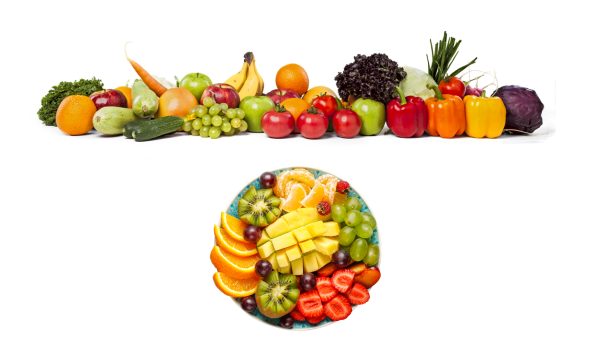
Fruit
For post-workout recovery, convenient options may include:
-
Smoothies with Greek yogurt or protein powder
-
Chocolate milk
-
Eggs on toast
-
Protein-rich snack bars
Some people experience reduced appetite immediately after exercise. In those cases, liquid options such as smoothies or milk-based drinks can be easier to consume.
Big Picture: Daily Nutrition Still Matters Most
While pre- and post-workout nutrition is important, overall daily intake has a greater impact on performance.
Consistently consuming adequate calories, carbohydrates, protein, and healthy fats supports:
-
Stable energy levels
-
Muscle repair
-
Brain function
-
Long-term performance improvements
If you frequently feel fatigued during workouts, struggle to lift previous weights, or “hit a wall” during endurance sessions, adjusting your carbohydrate intake may help. If soreness lingers or strength gains stall, increasing protein could be beneficial.
Everyone responds differently to food timing and macronutrient composition. Experiment gradually, track how you feel, and adjust as needed.
For personalized recommendations, consulting a registered dietitian can help tailor your nutrition plan to your training goals and lifestyle.










.png)
.png)
.png)
.png)


.png)
.png)
.png)
.png)
.png)
.png)
.png)
.png)
.png)
.png)




.png)
.png)
.png)
.png)
.png)
.png)
.png)

