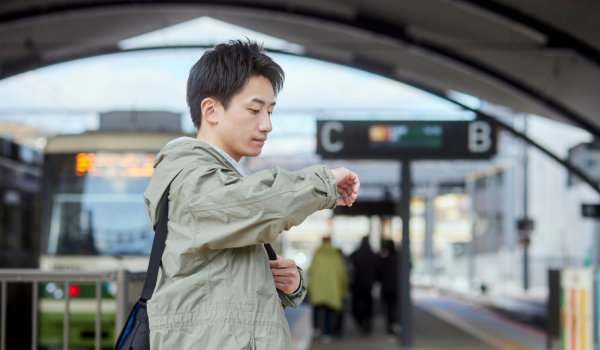
Long commutes quietly reshape daily life in ways that often go unnoticed, and eating habits are among the most affected. When hours are spent traveling to and from work, meals are pushed earlier, delayed, or broken into pieces. Hunger signals adapt to traffic patterns rather than biological needs. Understanding how long commutes change meal timing helps explain why eating can feel rushed, irregular, or unsatisfying for many people.
How Commute Length Alters Daily Eating Rhythms
Time Pressure Replaces Hunger Cues
When mornings begin earlier to accommodate travel, meals are often eaten before hunger naturally appears. Breakfast may become something grabbed quickly or skipped entirely to save time. In the evening, long commutes delay dinner until late, even when hunger has been present for hours.
This shift teaches the body to associate eating with available time rather than internal cues. Over time, hunger signals become less reliable because they are repeatedly overridden. The body adapts by producing stronger hunger later or weaker signals earlier, depending on routine.
Compressed Eating Windows
Long commutes reduce the amount of flexible time available for meals. Lunch breaks may be short or fixed, leaving little opportunity to eat when hunger actually arises. Snacks are often used to bridge gaps, creating fragmented eating patterns.
Instead of clear meals with a beginning and end, eating becomes spread out across the day. This fragmentation can make it harder to feel fully satisfied, even when total intake is sufficient.
Morning Commutes And Breakfast Timing
Early Starts And Appetite Suppression
Waking up earlier than the body prefers can suppress morning appetite. Hormones that stimulate hunger may not yet be active, making breakfast feel unappealing. As a result, many commuters skip breakfast or choose minimal foods.
This does not mean the body does not need energy. Hunger often appears later in the morning, sometimes during meetings or while driving. Eating is delayed until convenience allows, not when hunger first appears.
Rushed Meals And Reduced Awareness
When breakfast is eaten under time pressure, attention is divided between eating and preparing to leave. This reduces awareness of taste and fullness. The brain may not register the meal clearly, leading to hunger returning sooner.
Over time, rushed eating becomes the norm. Meals lose their role as grounding moments and instead feel like tasks to complete quickly.
Midday Eating Under Commute Constraints
Fixed Lunch Times
Long commutes often come with structured workdays. Lunch may occur at a set time regardless of hunger. If breakfast was skipped or small, hunger may be intense by midday. If breakfast was forced early, hunger may be mild.
Eating at a fixed time can still meet energy needs, but it weakens the connection between appetite and intake. Meals are eaten because the schedule allows it, not because the body asks for it.
Limited Food Choices
Commuters may rely on food options near work, which can be limited by time and availability. Quick-service meals and packaged foods become common because they fit into short breaks.
These foods often digest quickly and may not support lasting satiety. As a result, hunger returns sooner, encouraging afternoon snacking.
Evening Commutes And Delayed Dinners
Prolonged Hunger Before Meals
Long trips home often delay dinner until late evening. Hunger may build for hours, especially if lunch was early or light. By the time dinner occurs, appetite can be intense.
This intensity can lead to faster eating and larger portions. Fullness signals may lag behind intake, increasing the chance of discomfort or overeating.
Eating Close To Rest Time
Late dinners leave little time between eating and rest. Digestion may feel heavier, and satiety cues may be harder to interpret when the body is preparing for sleep rather than activity.
While occasional late meals are not harmful, frequent late eating can make hunger patterns less predictable. The body learns to expect food later, shifting appetite timing over time.
Snacking As A Response To Commute Stress
Food As A Buffer Against Fatigue
Long commutes are physically and mentally tiring. Fatigue increases the appeal of quick energy foods, especially those high in sugar or refined carbohydrates. Snacking becomes a tool to stay alert during travel or long afternoons.
This type of eating is driven more by exhaustion than hunger. The body seeks stimulation rather than nourishment, which can blur appetite signals further.
Fragmented Intake And Satiety Loss
Frequent small snacks may prevent extreme hunger but also prevent full satiety. The body receives energy in pieces without a clear sense of completion. This can create a constant background desire to eat.
Over time, this pattern makes it harder to recognize what true fullness feels like. Eating becomes ongoing rather than episodic.
Psychological Effects Of Commute-Controlled Eating
Loss Of Autonomy Around Meals
When commute schedules dictate eating, people may feel they have little control over food timing. Meals become something managed around external demands rather than chosen freely.
This loss of autonomy can increase stress around eating. Food decisions feel reactive instead of intentional, adding mental load to an already busy day.
Association Between Stress And Eating
Commutes often involve traffic, delays, and unpredictability. Stress hormones rise during these periods, influencing appetite and cravings. Food may be used as comfort after a difficult drive or as distraction during travel.
Over time, the brain links commuting stress with eating, reinforcing habits that are not tied to hunger. This association becomes part of the daily routine.
How The Body Adapts To Commute-Based Patterns
Anticipatory Hunger Shifts
The body learns from repetition. If dinner is consistently late, hunger hormones begin to rise later in the day. If breakfast is skipped, morning hunger signals may weaken.
These adaptations are not signs of damage but of flexibility. The body adjusts to the pattern it experiences most often. However, these adjustments may not always align with comfort or energy needs.
Energy Regulation Over Time
The body evaluates intake across days, not single meals. Irregular timing may lead to fluctuations in appetite as the system tries to balance energy. Some days hunger feels strong, other days muted.
This variability can be confusing, especially when compared to the expectation of regular hunger at set times.
Practical Ways To Support Better Meal Timing With Long Commutes
Anchoring Meals To Wake And Rest Periods
Instead of focusing on clock time, meals can be anchored to waking and resting. Eating within a few hours of waking, even if small, helps align intake with metabolic readiness.
A light meal or snack can support energy without forcing a full breakfast when appetite is low.
Planning Portable, Balanced Foods
Preparing portable meals allows eating closer to hunger cues. Foods that include protein, fiber, and healthy fats support satiety during long gaps.
Having balanced options available reduces reliance on convenience snacks and supports steadier energy.
Using Snacks Strategically
Snacks can be used intentionally to bridge long gaps rather than to replace meals entirely. Choosing nourishing snacks helps maintain appetite balance without dulling hunger completely.
This approach prevents extreme hunger while preserving the sense of a main meal later.
Creating Clear Meal Endpoints
Whenever possible, creating a defined mealtime, even if brief, helps the body register completion. Sitting down without distraction for a few minutes allows satiety signals to develop.
This clarity supports appetite regulation more than constant grazing.
Reframing Eating Expectations For Commuter Life
Accepting Variation Without Judgment
Commute-driven eating will not be perfectly timed every day. Accepting variation reduces stress and prevents all-or-nothing thinking.
The body responds to overall patterns, not isolated days. Small adjustments can make a meaningful difference over time.
Focusing On Rhythm Rather Than Rules
Instead of strict schedules, aiming for a general rhythm supports biological needs. This might mean two main meals and one or two snacks per wake period, adjusted as needed.
This flexible structure allows eating to fit within commute realities while still respecting hunger and fullness.
Long commutes quietly shape when and how people eat, often pulling meal timing away from natural hunger cues. Early starts, delayed evenings, and fragmented breaks create patterns driven by travel rather than biology. By understanding these influences, commuters can make small, practical changes that support steadier energy and clearer appetite signals. Learn more about how daily routines affect eating rhythms, explore adjustments that fit your commute, and take action today to make meal timing work better for your life.



















.png)
.png)
.png)
.png)


.png)
.png)
.png)
.png)
.png)
.png)
.png)
.png)
.png)
.png)




.png)
.png)
.png)
.png)
.png)
.png)
.png)
.png)