
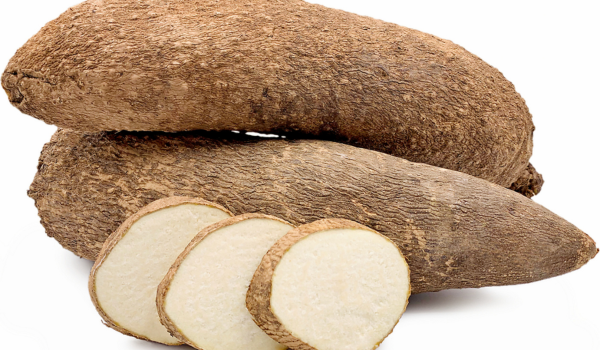
Yams are starchy root vegetables with a rough, bark-like skin and flesh that can be white, yellow, purple, or reddish in color. They are rich in fiber, complex carbohydrates, and essential minerals. Eating yams regularly may support digestion, heart health, blood sugar balance, and overall well-being.
You May See a Boost in Heart Health
Fiber And Heart Protection
Yams are high in fiber, especially soluble fiber, which is known to support cardiovascular health. Diets rich in fiber are associated with a lower risk of heart disease, partly because fiber helps reduce low-density lipoprotein (LDL), often referred to as “bad” cholesterol.
Animal studies suggest that fiber and specific plant compounds in yams may contribute to improved cholesterol levels and better lipid balance in the body.
Heart-Friendly Minerals
Yams also provide several micronutrients linked to heart health. Potassium supports healthy blood pressure regulation, magnesium helps reduce chronic inflammation and supports metabolic processes, and manganese acts as an antioxidant that protects cells from oxidative damage.
Your Digestion May Be More Regular
Insoluble Fiber And Gut Movement
Yams contain insoluble fiber, which adds bulk to stool and promotes regular bowel movements. This type of fiber supports digestive regularity and may help prevent constipation.
Resistant Starch And Gut Bacteria
Yams are also a good source of resistant starch, especially when eaten raw or after being cooked and cooled. Resistant starch functions like dietary fiber, reaching the colon undigested and feeding beneficial gut bacteria. This process supports a healthier gut microbiome and improved digestive health.
Other naturally occurring plant compounds in yams may further encourage the growth of beneficial intestinal bacteria.
You Might Have More Stable Blood Sugar
Slower Sugar Absorption
The combination of starch and soluble fiber in yams helps slow the absorption of sugar into the bloodstream. This can improve insulin sensitivity and contribute to more stable blood sugar levels.
Although human research is limited, animal studies suggest that yams may support better blood sugar regulation and may have anti-diabetic properties when consumed regularly.
You Could See Fewer Menopause Symptoms
Potential Hormonal Support
Menopause symptoms are often linked to declining estrogen levels. Some research suggests that yams may help ease symptoms such as mood swings and hot flashes.
An older study found that postmenopausal women who consumed yams daily for one month showed increased levels of estrone and estradiol, two forms of estrogen. Animal research has also indicated that yam extracts may have estrogen-like effects, potentially helping reduce menopause-related discomfort.
Your Brain Function May Be Sharper
Diosgenin And Cognitive Support
Yams contain diosgenin, a plant compound that has been linked to brain health. In a small study, adults who took diosgenin extract for several weeks performed better on tests measuring memory, attention, and language skills compared to those who received a placebo.
While these findings are promising, more research is needed to fully understand how yams and diosgenin affect cognitive function.
Nutrition of Yams
Key Nutrients Per Serving
One cup of boiled, unsalted yams provides a substantial amount of energy and nutrients. Yams are particularly high in fiber and potassium, while also supplying vitamin C, vitamin B6, magnesium, and manganese.
Because of their nutrient density and low sugar content, yams can be a filling and nourishing addition to meals.
How To Include Yams in Your Diet
Simple And Versatile Ways To Eat Yams
Yams can be prepared in many ways and easily incorporated into everyday meals. They are available whole, and some markets also sell yam flour or powder.
Popular ways to enjoy yams include baking or air-frying them into fries, slicing and crisping them into chips, mashing boiled yams as a side dish, or layering sliced yams into casseroles and gratins. Yams can also be used in sweet preparations when paired with warm spices and natural sweeteners.
Yams should always be cooked before eating, as some varieties may be toxic when consumed raw.












.png)
.png)
.png)
.png)

.png)
.png)
.png)
.png)
.png)
.png)
.png)
.png)
.png)
.png)



.png)
.png)
.png)
.png)
.png)
.png)
.png)
.png)

