
.png)
All-you-can-eat buffets are designed to be exciting: rows of colorful dishes, endless choices, and the freedom to sample anything you want. For many people, buffets are a place to celebrate milestones, spend time with family, or enjoy a special night out. Yet the abundance of food and the “get your money’s worth” mindset can also make mindful eating difficult. It’s easy to fill multiple plates, try everything at once, and walk away feeling uncomfortably full.
Eating at a buffet does not have to become a tug-of-war between enjoying your meal and protecting your health goals. With a mindful approach, you can savor the foods you love, experience new flavors, and leave feeling satisfied—rather than overly stuffed. The goal is to make choices that support comfort, enjoyment, and balance while still embracing the fun and flexibility buffets offer.
Why Buffets Make Overeating More Likely
Variety Stimulates Appetite
Research shows that the more options we see, the more we tend to eat. Buffets capitalize on this effect by offering dozens of dishes, from appetizers to desserts.
Unlimited Plates Encourage Bigger Servings
Unlike traditional restaurants where portions arrive pre-set, buffets offer no visual limits. You’re free to serve as much—or as many times—as you choose.
Social Norms Reinforce Eating More
Groups often stay longer at buffets, eating slowly while socializing. Staying at the table for extended time makes it harder to recognize when fullness arrives.
“Value Mindset” Drives Decisions
Because buffets charge a flat fee, people feel pressure to eat more to justify the cost. This mentality often overrides natural hunger cues.
Enter With A Plan That Supports Enjoyment
Scan The Entire Buffet First
Walk through the buffet before picking up a plate. Seeing all the options helps you make intentional decisions instead of piling on food impulsively.
Choose What You’re Truly Excited About
Instead of sampling every dish just because it's available, select items that look appealing. Ask yourself: “What do I actually want to taste today?”
Start With A Smaller Portion Mindset
Smaller scoops let you enjoy more variety without overeating. You can always return for a second or third round if you’re still hungry.
Build Your First Plate With Balance And Intention
Lead With Vegetables Or Salad
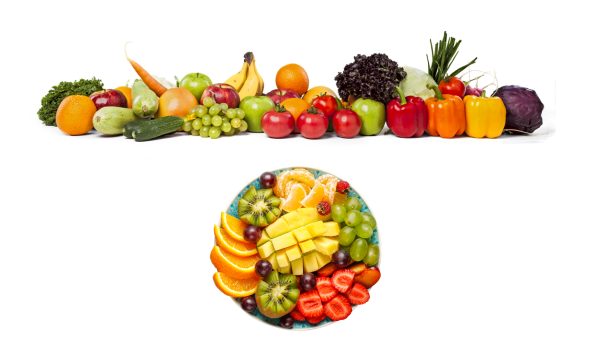
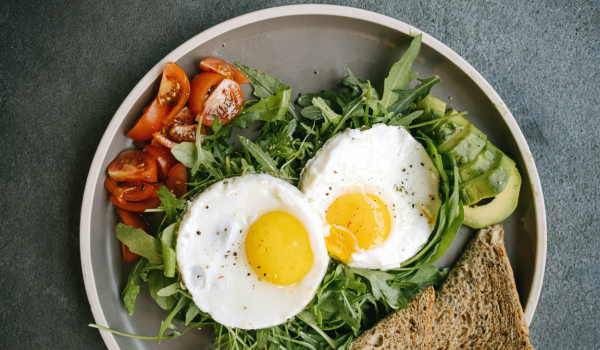
Filling half of your first plate with vegetables, salad, or fresh fruit adds fiber and volume that help control hunger. This is not about restriction, but balance.
Add A Protein Source To Stay Satisfied
Grilled chicken, fish, beans, tofu, eggs, or lean meats help maintain fullness and stabilize blood sugar.
Choose Whole Grains Or Complex Carbs Where Available
Rice, quinoa, potatoes, and whole-grain pasta support long-lasting energy more than sugary or fried items.
Remember: You Can Return For Special Items Later
Starting with balanced foods does not remove enjoyment—it simply primes your body for better awareness during the meal.
Enjoy Your Favorite Foods Without Going Overboard
Save Room For Dishes You Want To Experience Fully
After your first plate, focus on the dishes that excite you most—whether they are savory specialties, international flavors, or signature desserts.
Use A “Taste First” Strategy
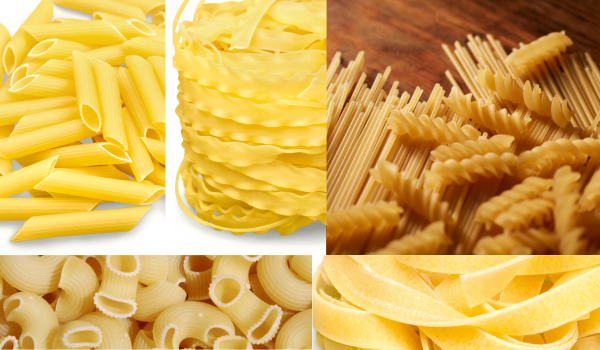
Take small portions of indulgent items such as creamy pasta, fried foods, or desserts. If something is amazing, go back. If not, you haven’t committed to a large serving.
Prioritize Satisfaction Over Quantity
Eating one portion you truly enjoy can be more fulfilling than sampling five mediocre options.
Slow Down And Pay Attention To Hunger Cues
Pause Between Trips To The Buffet
Resting for a few minutes before going back helps your body catch up with your brain. Fullness signals need time to register.
Check In With Your Body
Ask yourself:
-
Am I still hungry?
-
Do I want more of something I enjoyed?
-
Would a drink or a break satisfy me?
Pausing creates space for conscious decision-making rather than automatic refilling.
Eat To Comfortable Satisfaction
Eating until pleasantly full—not stuffed—supports better sleep, digestion, and energy the next day.
Navigate Desserts And Sweets With Mindfulness
Choose What You Will Truly Enjoy
Instead of trying every dessert, pick one or two that appeal the most.
Share Desserts To Sample More Flavors
Family-style tasting lets everyone try several options without overeating.
Balance Sweet Choices With Light Eating
Pair desserts with fruit or tea to lighten the overall experience.
Hydrate Throughout The Meal
Drink Water Before, During, And After Eating
Buffets often include sugary beverages or unlimited refills, which can increase calorie intake without addressing hunger.
Limit High-Sugar Drinks If They Don’t Add Value
Sodas, sweet teas, and alcoholic beverages add sweetness but can intensify cravings and reduce awareness.
Experiment With Hydration-Based Breaks
Take sips between bites or between plates to slow the eating pace naturally.
Set Personal Boundaries Without Feeling Restricted
Decide On Your Personal “Enough” Point
Commit to stopping when comfortably satisfied—not at discomfort. This prevents the common buffet regret.
Avoid Falling Into Competition Behaviors
You don’t need to match what others eat. Your body needs what feels comfortable for you.
Release The Pressure To “Get Your Money’s Worth”
Your value comes from enjoyment, connection, and satisfaction—not the total food volume.
After The Buffet: Support Your Body Gently
Take A Short Walk
Five to ten minutes of movement supports digestion and reduces post-meal sluggishness.
Drink Water Over The Next Few Hours
Hydration aids digestion and combats the salt-heavy nature of many buffet dishes.
Avoid Criticism Or Punishment
If you ate more than planned, respond with compassion. One meal does not define your lifestyle or health journey.
Make Buffets Part Of Balanced Life, Not A Stress Point
View Them As Occasional Celebrations
All-you-can-eat experiences are often linked to family outings, travel, and special events. Treating them as such lowers pressure and increases enjoyment.
Keep Everyday Habits Steady
What you do most days matters more than what you eat at an occasional buffet.
Reframe Buffets As About Experience, Not Excess
Conversation, connection, and exposure to new flavors are just as valuable as the food itself.
Conclusion
All-you-can-eat buffets offer freedom, choice, and enjoyment—but they don’t need to lead to discomfort or overeating. By taking time to explore what's available, building intentional plates, savoring favorites, pausing between servings, and listening to your body’s hunger and fullness cues, you can enjoy the variety without feeling overwhelmed or stuffed. Buffets can be part of a healthy, balanced lifestyle when approached mindfully and with curiosity—not restriction.
Keep exploring simple, realistic eating strategies on Health365s.com to help you enjoy food wherever life takes you—whether at home, on the road, or around a buffet table.



.png)











.png)
.png)
.png)
.png)


.png)
.png)
.png)
.png)
.png)
.png)
.png)
.png)
.png)
.png)



.png)
.png)
.png)
.png)

