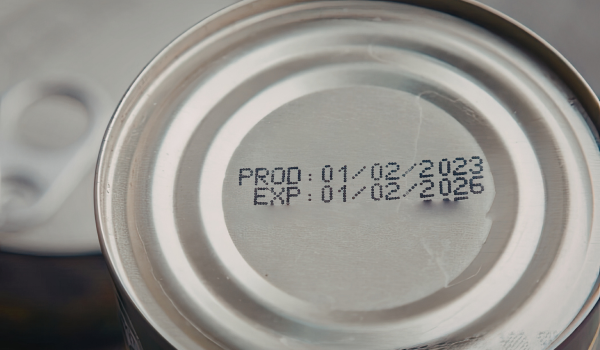
Commercially canned foods can remain safe to eat for 18 months to up to five years, depending on the type of food and how it’s stored. Home-canned foods should generally be used within one year for best quality and safety.
Canned food is shelf-stable because it’s processed at high temperatures that kill harmful microorganisms and seal the food in an airtight container. However, storage conditions and food acidity affect how long it maintains quality.
Understanding Dates On Cans
The dates printed on canned foods usually refer to quality, not safety. Manufacturers estimate how long the product will maintain peak flavor, texture, and nutritional value.
Common labels include:
Best by: Indicates when the product is expected to be at peak quality.
Use by: Suggests the date for best flavor and texture.
These dates do not mean the food becomes unsafe immediately after they pass. If the can remains properly sealed and stored, the food can often stay safe beyond the printed date.
How Long Commercially Canned Foods Last
Shelf life depends largely on whether the food is high in acid or low in acid.
High-Acid Foods (12–18 Months)
These include:
-
Fruits
-
Tomatoes
-
Pickles
-
Sauerkraut
High-acid foods can gradually react with the can’s lining, affecting taste, texture, and nutritional value over time. While still often safe, their quality may decline faster.
Low-Acid Foods (2–5 Years)
These include:
-
Meat and poultry
-
Vegetables
-
Soups and stews
-
Seafood
Low-acid foods do not break down the can lining as quickly, which allows them to retain quality longer when properly stored.
Home-Canned Foods
Home-canned foods should be consumed within one year. Unlike commercial canning, home processing conditions can vary, increasing the importance of proper storage and inspection.
Before using home-canned foods, check that:
-
The lid is still curved downward
-
The center does not flex when pressed
-
There are no leaks, cracks, or mold
If the seal is broken or anything appears abnormal, discard the jar immediately.
How To Store Canned Foods Properly
Proper storage significantly extends shelf life and maintains food quality.
Store In A Cool, Dry Place
Keep cans away from heat sources such as ovens, stoves, furnaces, and direct sunlight.
Avoid Humid Areas
Humidity can cause rust, which weakens the can. Avoid storing under sinks or in damp garages or basements.
Rotate Stock
Use older cans first. Arrange pantry shelves so new purchases go to the back.
Do Not Freeze Cans
Freezing can cause contents to expand, potentially breaking the seal and increasing the risk of contamination, including botulism.
Signs A Can Should Be Thrown Away
Inspect cans carefully before opening. Discard immediately if you notice:
-
Bulging or swollen ends
-
Deep dents, especially along seams
-
Heavy rust that doesn’t wipe off
-
Leaks or sticky residue
-
Liquid or foam spurting when opened
-
Foul odor or unusual color
These signs may indicate contamination or seal failure, allowing harmful bacteria to grow inside.
Never taste food from a damaged or suspicious can. Foodborne illnesses can cause symptoms such as nausea, vomiting, stomach cramps, and diarrhea. In severe cases, certain bacteria can cause life-threatening illness.
When in doubt, throw it out.
A Quick Review
Commercially canned foods can last 18 months to five years, depending on acidity and storage conditions. High-acid foods have a shorter shelf life than low-acid foods. Home-canned goods should be used within one year.
Always store cans in a cool, dry place and inspect them for damage before use. While printed dates reflect quality rather than safety, visible damage or unusual smells are clear signs the food should be discarded.

.png)
.png)
.png)
.png)
.png)
.png)
.png)
.png)
.png)
.png)
.png)
.png)
.png)
.png)
.png)


.png)
.png)
.png)
.png)