

Temporary living situations—such as short-term rentals, extended travel, dorm stays, relocations, or transitional housing—often disrupt daily routines. Kitchens may be minimally equipped, storage may be limited, and familiar grocery options may not be available. In these settings, eating can feel improvised and inconsistent. Hunger cues compete with unfamiliar schedules and spaces. Understanding how temporary living affects food choices helps explain why structure often fades—and how it can be rebuilt even when circumstances are unstable.
How Temporary Housing Disrupts Eating Routines
Loss Of Familiar Kitchen Structure
Many temporary accommodations provide only basic kitchen tools, or none at all. A microwave, a mini-fridge, or a shared kitchenette replaces a fully equipped space. Without access to regular appliances and cookware, meal preparation becomes restricted.
This limitation shifts eating toward convenience foods, takeout, or simple, repetitive meals. Variety may decrease, and balanced cooking may feel more difficult. Over time, meals become reactive—based on what is easiest—rather than structured around nutritional balance.
Irregular Daily Schedules
Temporary living often coincides with changing schedules. New jobs, travel demands, or housing transitions alter sleep patterns and daily timing. Hunger signals may feel unpredictable because meal timing shifts frequently.
When wake and rest times vary, appetite hormones adjust inconsistently. This can make hunger appear earlier or later than expected, complicating meal planning.
Limited Storage And Grocery Access
Small Refrigerators And Minimal Pantry Space
Temporary housing frequently includes compact refrigeration and little pantry storage. Buying groceries in bulk may not be practical. Fresh produce may spoil quickly without adequate space or planning.
As a result, people may purchase smaller, pre-packaged items that fit easily. While convenient, these options can reduce flexibility in meal creation and encourage frequent shopping trips.
Unfamiliar Grocery Environments
Relocation or travel introduces new grocery layouts, brands, and product availability. Navigating unfamiliar stores can feel overwhelming, leading to simpler or more familiar choices.
When time is limited, individuals may gravitate toward ready-made foods instead of assembling balanced ingredients.
Increased Reliance On Restaurant And Delivery Foods
Convenience Over Preparation
Temporary housing often lacks the comfort and routine of home kitchens. Cooking may feel less inviting. Delivery services and nearby restaurants become appealing alternatives.
While practical, frequent restaurant meals may include larger portions and higher levels of salt or refined carbohydrates. This can alter satiety patterns and lead to increased snacking later.
Spontaneous Eating Decisions
Without a stocked kitchen, hunger may lead to spontaneous decisions rather than planned meals. Eating becomes driven by availability and convenience rather than structure.
Over time, this spontaneity can blur hunger awareness and reduce meal predictability.
Psychological Effects Of Living Transitions
Reduced Sense Of Stability
Temporary living can create a feeling of instability. When environment feels uncertain, routines—including eating—often lose priority.
The brain seeks comfort during transitions. Familiar or highly palatable foods may feel emotionally grounding, even if they do not provide lasting satiety.
Decision Fatigue
Relocation or travel involves many decisions. When cognitive energy is low, food choices default to simplicity. Cooking complex meals may feel overwhelming.
Decision fatigue increases reliance on easy, accessible options.
Meal Timing In Transitional Periods
Delayed Or Skipped Meals
Adjusting to new schedules often leads to skipped or delayed meals. Meetings, travel, or moving logistics can push eating aside.
When meals are postponed, hunger may intensify later, increasing the likelihood of rapid eating or oversized portions.
Fragmented Eating Patterns
Temporary environments may lack defined dining spaces. Eating can occur in pieces—small snacks instead of structured meals. This fragmentation weakens satiety signals and reduces meal satisfaction.
Without clear beginnings and endings, eating becomes continuous rather than rhythmic.
Maintaining Balanced Nutrition With Minimal Tools
Focusing On Foundational Nutrients
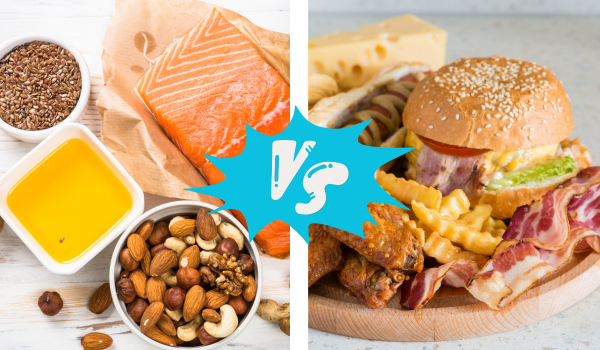
Even without a full kitchen, balanced meals are possible. Including protein, fiber-rich carbohydrates, and healthy fats supports satiety and stable energy.
Examples include yogurt with fruit and nuts, canned beans with pre-cooked grains, or simple salads with packaged proteins.
Using Portable Appliances Strategically
If allowed, small appliances such as electric kettles or portable cookers can expand meal options. Even minimal equipment allows preparation of grains, soups, or simple proteins.
The goal is not variety for its own sake but consistent nutrient balance.
Creating Structure In Unstable Settings
Establishing Approximate Meal Times
Even during transitions, eating at roughly similar times daily stabilizes appetite. The body adapts to patterns it experiences consistently.
Predictable meal anchors reduce grazing and prevent extreme hunger.
Designating A Temporary Eating Space
Creating a small, consistent area for meals—even in a studio or shared room—improves satiety. Eating in the same spot reinforces the psychological boundary of a meal.
Structure matters more than space size.
Navigating Social And Shared Environments
Adapting To Shared Kitchens
Temporary housing may involve shared kitchens. Scheduling cooking times and labeling food reduces stress.
Small batch preparation fits shared storage while supporting balanced meals.
Managing Social Eating
Travel and relocation often involve social meals. Participating in shared meals is part of connection.
Balancing social eating with personal hunger awareness maintains nutritional stability.
Long-Term Effects Of Temporary Eating Patterns
Appetite Adaptation
If temporary routines extend over weeks or months, the body adapts to new patterns. Hunger timing shifts accordingly.
When transitioning back to a permanent home, appetite may need time to recalibrate.
Energy Fluctuations
Inconsistent meals and reliance on convenience foods may cause energy variability. Recognizing these fluctuations helps guide adjustments without self-criticism.
The body responds to patterns rather than isolated days.
Practical Strategies For Stability
Simple Meal Templates
Using a consistent template—such as grain, vegetable, and protein—simplifies decision-making. Even minimal kitchens can support this structure.
Templates reduce stress and maintain nutritional adequacy.
Mindful Snack Planning
Keeping a few nourishing snacks available prevents extreme hunger. Protein bars, nuts, fruit, or yogurt provide stability between meals.
Intentional snacking is more effective than constant grazing.
Accepting Flexibility
Temporary living does not require perfect routines. Viewing eating patterns across days rather than single meals reduces pressure.
Small adjustments accumulate into stability.
Temporary living situations reshape eating through limited kitchens, unfamiliar environments, and shifting schedules. These constraints influence food choices, meal timing, and hunger awareness. By focusing on balanced nutrients, simple meal templates, and consistent anchors, it is possible to maintain nourishing patterns even in transitional settings. Learn more about how environment influences appetite, explore strategies that fit your temporary space, and take action today to support steady, balanced eating wherever you live.





















.png)
.png)
.png)
.png)


.png)
.png)
.png)
.png)
.png)
.png)
.png)
.png)
.png)
.png)



.png)
.png)
.png)
.png)
.png)
.png)
.png)

