.png)
The way a kitchen is arranged influences more than just convenience—it shapes how often people cook, what foods they choose, and how enjoyable meals feel. A cluttered, poorly organized kitchen can make cooking feel stressful, while a simple and accessible layout encourages regular meal preparation. Over time, these small environmental factors influence portion sizes, food variety, and overall diet quality.
Many people focus on ingredients and recipes when trying to eat better, but overlook the role of physical space. Counter space, storage placement, lighting, and even appliance location quietly guide everyday food decisions. Understanding how kitchen layout affects meal quality helps explain why some households naturally prepare balanced meals while others rely heavily on packaged or takeout foods.
Why Physical Space Influences Food Choices
Ease Determines Frequency Of Cooking
When tools and ingredients are easy to reach, cooking feels manageable rather than overwhelming.
Environment Shapes Habits
People repeat behaviors that feel convenient and avoid those that feel difficult.
Visual Cues Guide Decisions
What is seen first in the kitchen often becomes the default choice.
Counter Space And Food Preparation
Limited Counter Space Reduces Cooking Motivation
Crowded counters make food prep feel chaotic.
Clear Work Areas Encourage Home Cooking
Open surfaces allow room for chopping, mixing, and assembling meals.
Clutter Competes With Food Preparation
Mail, appliances, and random items reduce usable space.
Storage Placement And Meal Quality
Healthy Foods Need To Be Visible
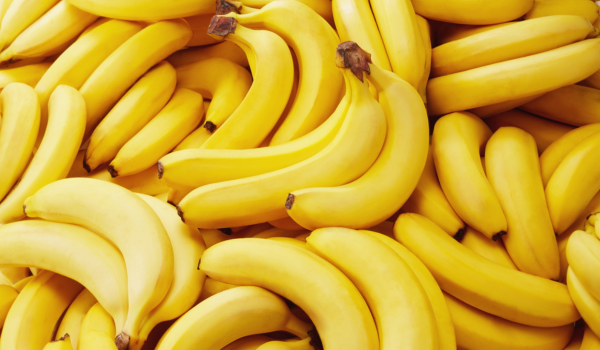
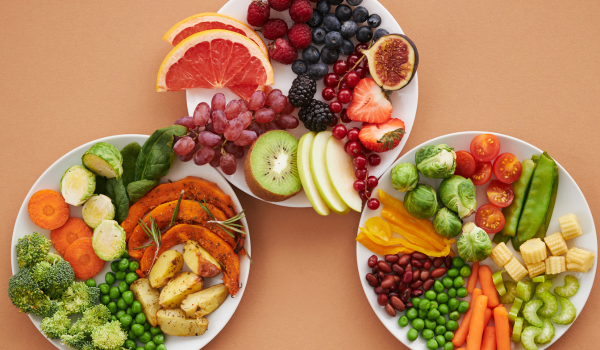
Fruits, vegetables, and grains are chosen more often when seen easily.
Hidden Ingredients Are Used Less
Items stored out of sight are often forgotten.
Convenient Storage Reduces Decision Fatigue
When staples are grouped logically, planning becomes easier.
Refrigerator Layout And Eating Patterns
Eye-Level Items Get Eaten First
Foods placed at eye height are chosen more frequently.
Organized Shelves Improve Food Variety
Clear sections make balanced meals easier to assemble.
Overcrowding Leads To Waste
Food hidden in the back often spoils.
Pantry Organization And Food Quality
Accessible Staples Encourage Home Meals
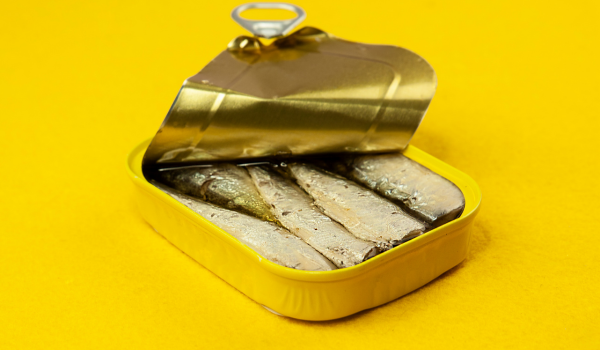
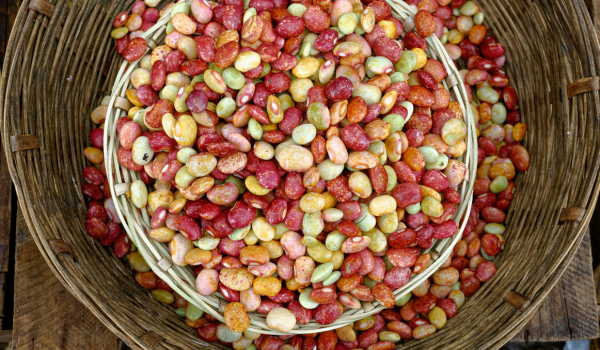
Grains, beans, and canned vegetables support quick cooking.
Disorganized Pantries Promote Convenience Foods
People grab what is easiest rather than what is balanced.
Labeling And Clear Containers Improve Use
Visual clarity increases food awareness.
Appliance Placement And Cooking Behavior
Stove And Sink Relationship Matters
Easy movement between washing and cooking reduces effort.
Microwaves Influence Food Choices
Heavy reliance may increase packaged food use.
Blenders And Slow Cookers Support Healthy Meals
Accessible tools increase flexibility.
Lighting And Mood In The Kitchen
Bright Lighting Improves Food Awareness
People see portions and ingredients clearly.
Dim Lighting Reduces Motivation
Poor lighting makes cooking feel tiring.
Natural Light Enhances Comfort
Pleasant environments encourage longer food preparation time.
Flow And Movement In The Kitchen
Efficient Layout Reduces Stress
Simple movement patterns support smoother cooking.
Crowded Walkways Discourage Meal Prep
Physical obstacles create mental resistance.
Open Layouts Encourage Participation
Shared spaces increase social cooking.
How Layout Affects Portion Control
Plating Areas Influence Serving Size
Clear areas encourage intentional portions.
Eating From Containers Increases Intake
Lack of space leads to mindless eating.
Organized Dishes Support Balanced Plates
Access to plates and bowls improves structure.
Psychological Impact Of Kitchen Design
Stressful Spaces Reduce Cooking Enjoyment
Visual chaos increases mental fatigue.
Order Encourages Routine
Predictable layouts build habits.
Comfort Supports Consistency
Pleasant spaces promote repeated use.
How Kitchen Layout Shapes Long-Term Habits
Easy Cooking Becomes Normal
Regular home meals increase over time.
Convenience Shapes Food Quality
Layout indirectly controls nutrient intake.
Patterns Form Around Environment
Behavior follows space design.
Signs Kitchen Layout May Affect Your Meals
-
Avoiding cooking despite available food
-
Eating mostly packaged meals
-
Feeling overwhelmed by food prep
-
Limited variety in meals
-
Frequent food waste
These reflect environmental barriers rather than lack of discipline.
Simple Layout Changes That Improve Meal Quality
Clear One Counter Area
Designate a prep space.
Move Healthy Foods Forward
Place produce and grains at eye level.
Group Tools By Function
Keep knives, boards, and pans together.
Making Small Kitchens Support Healthy Eating
Use Vertical Storage
Shelves and hooks increase access.
Limit Unused Appliances
Reduce clutter.
Keep One Prep Zone
Consistency improves efficiency.
How Layout Affects Grocery Choices
Storage Space Influences Buying Behavior
Limited space encourages packaged food.
Organized Storage Supports Fresh Food
People buy produce when space exists.
Visual Order Improves Planning
Seeing ingredients sparks meal ideas.
Social And Family Effects
Open Kitchens Encourage Shared Cooking
More people participate in meal prep.
Visible Cooking Promotes Eating At Home
Meals feel communal.
Layout Supports Teaching Habits
Children learn food skills through exposure.
Building A Kitchen That Supports Better Eating
Design For Use, Not Appearance
Function matters more than style.
Support Simple Cooking
Quick meals need accessible tools.
Reduce Friction In Movement
Fewer steps improve consistency.
Long-Term Health Benefits Of A Supportive Kitchen
More Home-Cooked Meals
Increases nutrient density.
Better Portion Awareness
Reduces overeating.
Improved Relationship With Food
Cooking feels manageable.
Lower Reliance On Takeout
Structure replaces convenience dependence.
Why Environment Matters More Than Willpower
Behavior Follows Path Of Least Resistance
Design guides decisions.
Habits Thrive In Supportive Spaces
Good layouts make healthy choices easier.
Consistency Beats Perfection
Daily ease shapes outcomes.
Conclusion
Kitchen layout quietly shapes meal quality by influencing how easy it feels to cook, what foods are chosen, and how portions are served. Cluttered counters, hidden ingredients, and poor organization increase reliance on packaged foods and reduce variety. In contrast, simple, accessible layouts support regular home cooking and balanced meals.
Improving kitchen layout does not require renovation. Small changes—such as clearing prep space, organizing storage, and placing healthier foods within reach—can meaningfully improve eating habits over time. Explore more practical nutrition guidance on Health365s.com to create food environments that naturally support better daily choices.




.png)
.png)
.png)
.png)
.png)
.png)
.png)
.png)
.png)
.png)
.png)
.png)
.png)
.png)

.png)
.png)
.png)
.png)
.png)
.png)
.png)
.png)