
.png)
After a long day, cooking can feel impossible.
Work deadlines, long commutes, family needs, or stress drain every ounce of energy.
On those nights, it’s easy to default to fast food, snacks, or skipping dinner altogether.
But eating well doesn’t have to take effort.
With a few smart habits, you can fuel your body even on the days when you barely have strength to open the fridge.
This guide shows you how to make quick, nourishing meals that support your health without turning cooking into a chore.
Stock Easy Staples So Food Requires Almost No Prep
A tired night dinner starts long before the tired night arrives.
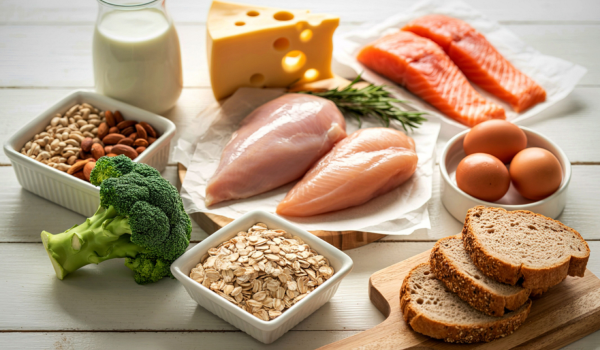
Keep these simple ingredients available and you’ll always have options:
Pantry Essentials
-
Canned beans or lentils
-
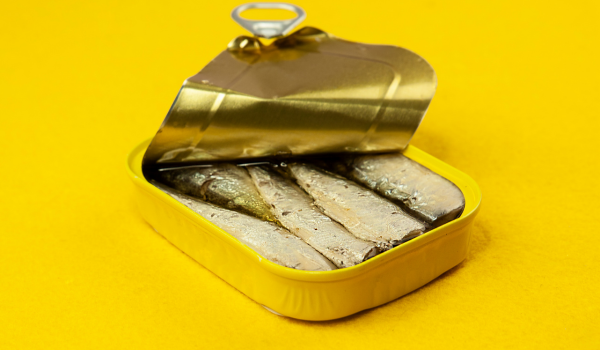
Canned tuna or salmon
-
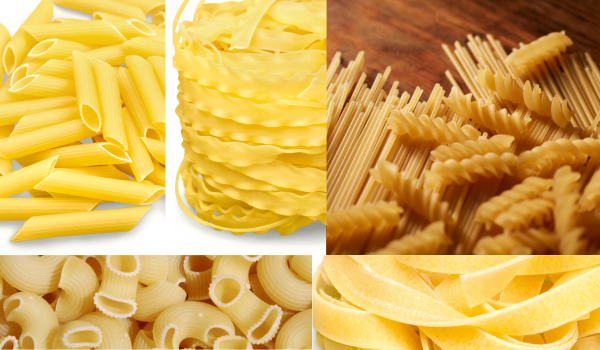
Whole-grain pasta, couscous, or microwave rice
-
Nut butters and nuts
-
Shelf-stable soups or broths
Fridge & Freezer Helpers
-
Prewashed salad mixes
-
Rotisserie chicken or precooked protein
-
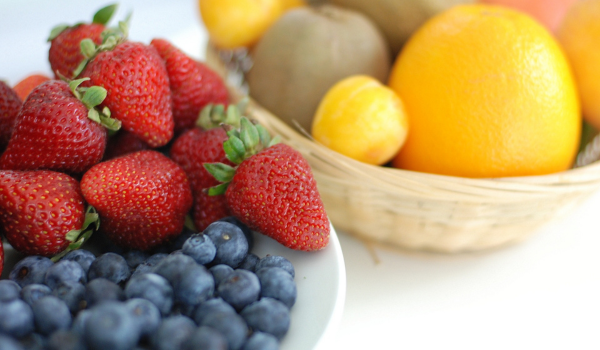
Frozen vegetables and berries
-
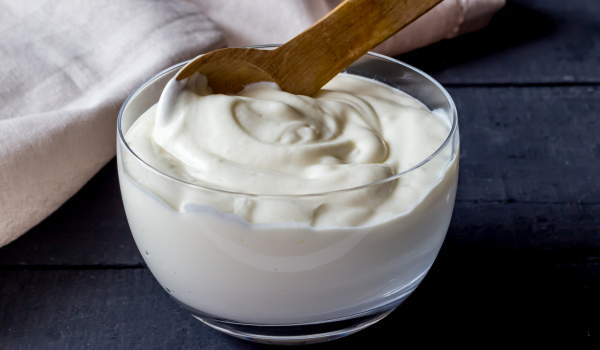
Eggs, Greek yogurt, hummus
When stocked well, your kitchen becomes a tool that works for you — not a burden.
Choose “Assembly Meals” Instead of Real Cooking
Forget chopping, sautéing, baking, or cleaning mountains of dishes.
On exhausted nights, the best meals are those you assemble in minutes.
Try combinations like:
-
Hummus + whole grain crackers + sliced vegetables
-
Microwave rice + canned black beans + salsa + avocado
-
Prewashed salad + rotisserie chicken + simple vinaigrette
-
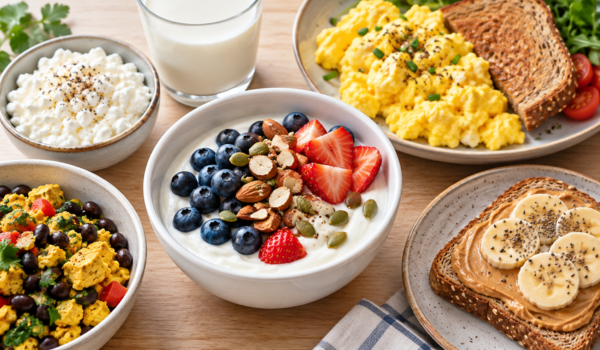
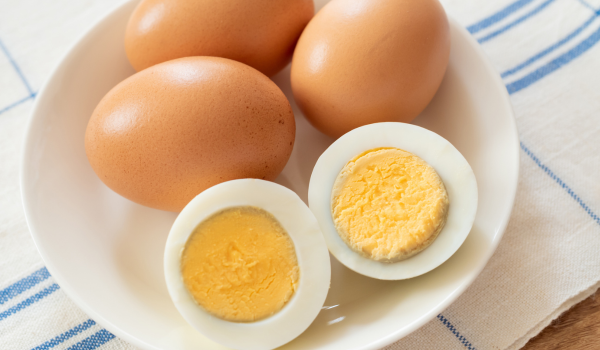
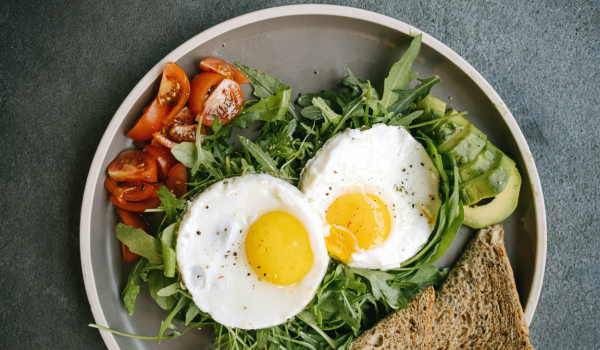
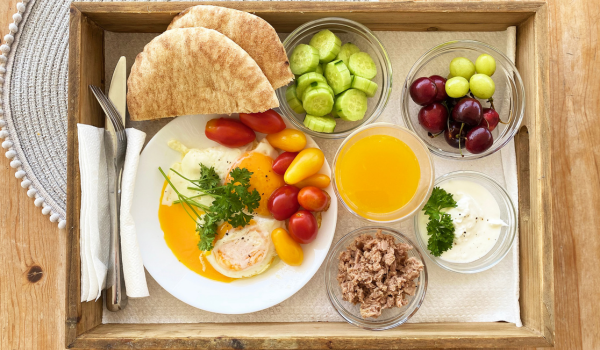
Eggs (fried or scrambled) + toast + fruit
-
Greek yogurt + nuts + seeds + frozen berries
These options take 5–10 minutes, require almost no thinking, and nourish your body.
Boost Convenience Foods Instead of Avoiding Them
Convenience food isn’t always the enemy — it can be a lifeline if used wisely.
Turn simple items into balanced meals:
-
Add frozen vegetables and tofu to ramen
-
Toss spinach and mushrooms onto frozen pizza
-
Stir frozen peas or beans into canned soup
-
Mix tuna with salad greens for a 2-minute protein bowl
-
Spread pesto or salsa over microwaved vegetables and rice
Instead of perfection, aim for improvement — add fiber, add color, add protein.
Build a “Tired Night Formula” You Can Use Automatically
Create a mental framework so decisions become easy.
One Protein + One Veggie + One Carb
Pick from what’s available and serve.
Examples:
-
Chicken + broccoli + brown rice
-
Beans + peppers + tortillas
-
Tuna + leafy salad + potatoes
-
Eggs + spinach + toast
-
Tofu + mixed veggies + noodles
No recipe, no stress — just a pattern that always works.
Meal Prep Without Feeling Like Prep
Meal prep doesn’t require hours.
Small actions now save future headaches.
Try:
-
Cooking double for lunch or freeze portions
-
Washing lettuce and veggies so they’re ready to grab
-
Making a batch of grains (rice/quinoa) for a few days
-
Roasting vegetables at the same time you cook something else
-
Portioning nuts, fruit, or snacks in grab-and-go containers
Little habits = big energy savings later.
Know When “Good Enough” Is Truly Enough
On drained nights:
-
Dinner might be a sandwich
-
Maybe it’s leftovers
-
Maybe it's a smoothie and a handful of nuts
And that’s OK.
Healthy eating is not about flawless meals every day.
It’s about small choices repeated over time.
If you fuel your body — even in the simplest way — you’re still winning.
Mindset Matters: Be Gentle With Yourself
Having low-energy days is normal.
Eating well shouldn’t pile guilt on top of fatigue.
A few reminders:
-
Something is better than nothing
-
Frozen food can still be nutritious
-
Cereal with milk beats drive-thru when it saves stress
-
You don’t “ruin” anything with shortcuts
-
Your body needs fuel to recover from stress
Taking care of yourself includes removing pressure, not adding more.
Final Thought
Tired-night eating isn’t about perfection —
it’s about survival with smart, doable food choices.
When you build a kitchen that supports you and adopt habits that work on your busiest days, healthy eating becomes something you can maintain for years, not just when life is calm.

.png)
.png)
.png)
.png)
.png)
.png)
.png)
.png)
.png)
.png)
.png)
.png)
.png)
.png)
.png)

.png)
.png)
.png)
.png)

