
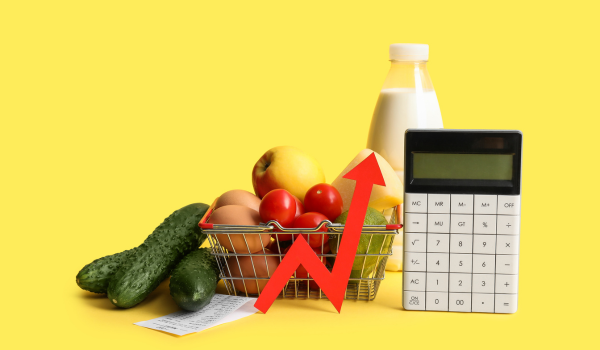
Food prices rise and fall more often than many people expect. Seasonal shortages, fuel costs, and global supply issues can make everyday groceries suddenly more expensive. When prices change quickly, eating habits often shift toward convenience foods or fewer fresh ingredients, even when people want to eat well.
Changing food costs do not just affect budgets—they influence portion sizes, food variety, and meal structure. Many households respond by buying what feels affordable in the moment rather than what supports consistent nourishment. Understanding how price changes shape food decisions helps explain why balanced eating can feel harder during uncertain times and why flexibility, not perfection, is the key to staying well-fed.
Why Food Price Changes Affect Eating Habits
Cost Becomes the Primary Decision Factor
When prices rise, food choices are driven by affordability instead of nutrition.
Stress Alters Shopping Behavior
Worry about money increases impulse buying and reduces planning.
Familiar Foods Feel Safer
People rely on known items rather than experimenting with new ingredients.
How Price Fluctuations Influence Food Choices
Fresh Foods Are Bought Less Often
Produce and meat are usually the first items reduced.
Packaged Foods Become More Common
Long shelf life and lower upfront cost feel practical.
Variety Declines
Repeating the same meals reduces grocery risk.
The Impact on Meal Structure
Meals Become Smaller or Simpler
Complex recipes feel unnecessary.
Snacking Replaces Full Meals
Low-cost snacks may substitute for balanced plates.
Eating Out Feels Riskier
Restaurant prices feel unpredictable.
Emotional Responses to Rising Food Costs
Anxiety Shapes Food Decisions
People may skip meals or eat less to save money.
Food Feels Scarcer
This can increase overeating when food is available.
Guilt Can Appear Around Choices
Spending on food feels emotionally loaded.
How Price Changes Affect Nutrient Balance
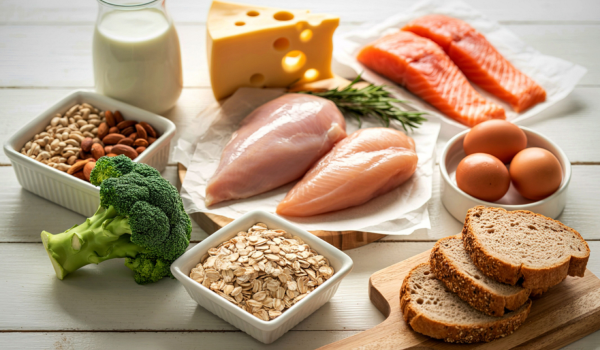
Protein Intake Often Drops First
Meat and seafood are expensive compared to grains.
Fiber Intake Can Decrease
Fresh produce may be replaced with refined foods.
Micronutrient Variety Declines
Fewer foods mean fewer nutrients.
Why Budget Pressure Changes Portion Sizes
Larger Portions Feel More Economical
Value is associated with quantity.
Smaller Meals May Increase Hunger
Under-eating leads to later overeating.
Leftovers Become a Strategy
Portions stretch across days.
Grocery Shopping Behavior During Price Changes
More Price Comparison Occurs
Shoppers switch brands or stores frequently.
Impulse Purchases Increase
Discounts drive decisions rather than planning.
Fear of Waste Shapes Buying
People avoid fresh foods that may spoil.
How Food Availability Influences Choices
Seasonal Foods Become More Important
In-season produce is cheaper and fresher.
Frozen and Canned Foods Gain Value
They reduce spoilage risk.
Bulk Buying Becomes Appealing
Lower unit cost influences storage habits.
The Role of Planning When Prices Are Unstable
Flexible Meal Plans Work Best
Menus adapt to what is affordable that week.
Core Foods Create Stability
Grains, beans, and eggs anchor meals.
Spontaneity Becomes Costly
Last-minute decisions often cost more.
How Price Stress Affects Eating Frequency
Meals Are Skipped to Save Money
This increases fatigue and irritability.
Late Eating Becomes Common
People wait until hunger is strong.
Irregular Timing Disrupts Energy
Blood sugar becomes less stable.
Signs Price Changes Are Affecting Your Eating
-
Buying fewer fresh foods
-
Eating the same meals repeatedly
-
Skipping meals or eating late
-
Choosing snacks instead of meals
-
Feeling anxious about grocery spending
-
Low energy or frequent hunger
These reflect financial pressure rather than lack of care.
Simple Strategies for Eating Well on a Changing Budget
Use Seasonal Produce
Lower cost and higher quality often align.
Build Meals Around Affordable Staples
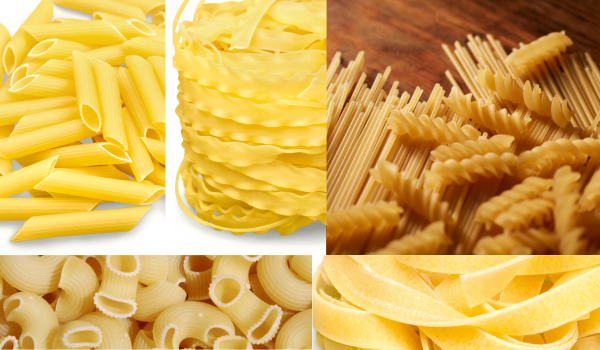
Rice, beans, oats, and pasta stretch budgets.
Limit Waste Through Smaller Purchases
Buy only what will be used.
Making Balanced Meals with Cheaper Ingredients
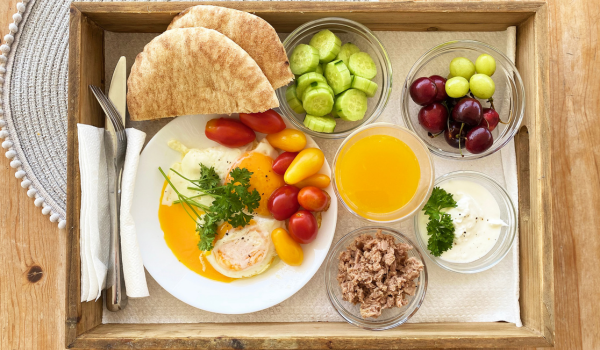
Pair Carbohydrates with Protein
Beans, eggs, and dairy support satiety.
Add Vegetables Gradually
Even small portions increase nutrient value.
Use Sauces and Spices for Variety
Flavor reduces the need for expensive foods.
How Frozen and Canned Foods Support Nutrition
They Preserve Nutrients
Often similar to fresh produce.
They Reduce Spoilage Risk
Less food is thrown away.
They Offer Predictable Pricing
Costs change less often.
Cooking Habits When Prices Are Unstable
Simple Recipes Reduce Waste
Fewer ingredients lower risk.
Batch Cooking Saves Money
Leftovers reduce future costs.
Reusing Ingredients In Different Meals
One food can appear in several dishes.
Eating Well Without Following Rigid Food Rules
Flexibility Supports Consistency
Adaptation matters more than ideal plans.
Balance Over Perfection
Not every meal needs full variety.
Patterns Matter More Than Single Days
Long-term habits shape health.
How Price Awareness Builds Better Habits
Shopping With Purpose Reduces Stress
Decisions feel intentional.
Cooking Confidence Improves Control
Home meals replace costly options.
Food Becomes a Tool, Not a Threat
Spending feels manageable.
Long-Term Effects of Constant Price Changes
Food Habits Become Simplified
People rely on fewer ingredients.
Taste Preferences Shift
High-cost foods feel unnecessary.
Budget and Health Become Linked
Financial choices affect nutrition quality.
Why Small Adjustments Work Best
They Fit Real Life
Large changes feel overwhelming.
They Protect Consistency
Stable habits survive price swings.
They Improve Satisfaction
Meals feel more reliable.
Using Price Changes as a Planning Tool
Buy More of What Is Cheaper That Week
Seasonal rotation increases variety.
Adjust Portions Instead of Eliminating Foods
Balance remains possible.
Focus on Food Value, Not Just Price
Nourishment matters alongside cost.
Building Confidence in Food Choices
Trust Simple Foods
Balanced meals do not need expensive items.
Notice Energy and Comfort
Body feedback guides success.
Avoid Comparing to Past Prices
Focus on current reality.
Long-Term Benefits of Adaptive Eating
More Stable Energy
Regular meals support focus.
Lower Food Stress
Confidence replaces worry.
Improved Relationship with Food
Choices feel supportive rather than restrictive.
Sustainable Eating Patterns
Habits last through change.
Conclusion
When food prices keep changing, eating habits often shift toward convenience, repetition, and smaller variety. These changes are driven by financial pressure rather than lack of interest in health. Over time, unstable prices can affect meal structure, nutrient balance, and emotional comfort around food.
Eating well in uncertain conditions does not require expensive ingredients or strict rules. By using flexible planning, affordable staples, and simple cooking habits, it is possible to maintain balance even when costs fluctuate. Explore more practical nutrition guidance on Health365s.com to build eating habits that adapt to real-world challenges while supporting long-term well-being.












.png)
.png)
.png)
.png)

.png)
.png)
.png)
.png)
.png)
.png)
.png)
.png)
.png)
.png)


.png)
.png)
.png)
.png)
.png)
.png)
.png)
.png)

