
.png)
Knowing what to eat every day may sound simple, but most people struggle more with planning than with nutrition knowledge itself. With school, work, family schedules, errands, social plans, and unpredictable surprises, food routines often get pushed to the bottom of the list. One week you cook every night, the next week you rely on takeout. Some days feel organized and balanced; others feel chaotic. The truth is that real life rarely allows for perfect consistency, but a flexible weekly food routine can support health, energy, and comfort without demanding strict rules.
A routine that works in real life doesn’t look rigid or complicated. It accounts for busy days, cravings, limited time, last-minute plans, and energy dips. Instead of forcing yourself into a schedule you can’t maintain, the goal is to develop a weekly rhythm that fits the way you actually live—not how you wish life looked on paper.
Why Weekly Food Routines Make Eating Easier
Reduce Daily Decision Fatigue
Most people make better choices when they don’t have to constantly decide what to eat. A simple weekly plan eliminates the mental back-and-forth of “What’s for dinner?” and keeps healthy food within reach.
Save Time During Busy Days
When you know the general outline of the week’s meals, you spend less time shopping, chopping, or scrambling for alternatives. Even partial planning prevents last-minute stress.
Support Health Goals Naturally
Planning ahead makes it easier to eat vegetables, protein, and whole foods regularly. You don’t need major diet changes—small moments of structure build consistency.
Improve Budget Awareness
Weekly routines reduce impulse purchases and food waste. You buy what you’ll use, eat what you buy, and rely less on takeout when you don’t want to.
Start With Your Real Schedule, Not An Idealized One
Look At Your Week Honestly
Before planning meals, scan the upcoming week. Ask:
-
Which nights will be busy or late?
-
Which days can I cook?
-
Do we have events, gatherings, or travel?
-
Will lunch need to be portable?
This becomes your planning foundation—not recipes, not wish lists.
Assign Meal “Types,” Not Strict Recipes
Use broad categories to simplify choices:
-
Slow-cooker day
-
Sandwich or wrap night
-
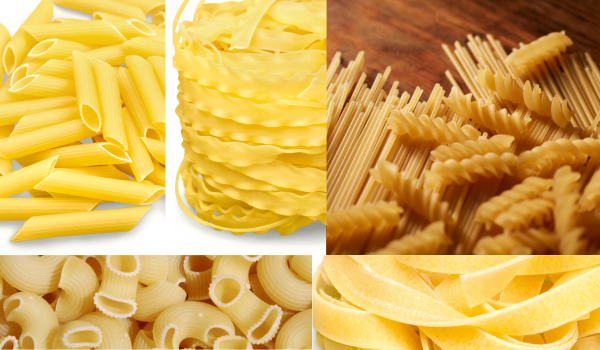
Pasta night
-
Sheet-pan dinner
-
Leftover night
This structure provides direction without adding pressure to follow a specific meal.
Build In Space For Flexibility
Leave a couple of nights unplanned so you can fit in leftovers, social plans, or takeout without feeling like you failed.
Use Meal Anchors Instead Of Full Weekly Menus
Pick A Few Foods To Shape Your Week
Anchors reduce decision load. Examples include:
-
A batch of roast vegetables
-
A pot of rice, quinoa, or pasta
-
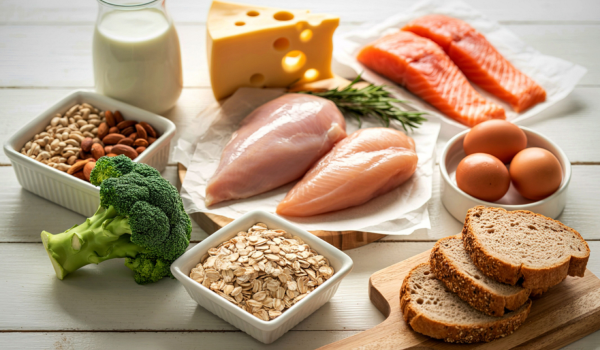
Grilled chicken, shrimp, tofu, or beans
-
A big salad mix ready to portion
Once prepared, anchors plug into multiple meals—wraps, bowls, stir-fries, tacos, or soups.
Cook Once, Eat Multiple Ways
Grilled chicken turns into:
-
Rice bowls Monday
-
Tacos Tuesday
-
Lunch salads Wednesday
Anchors turn one cooking session into three meals.
Use Crossover Ingredients
Choose staples that can appear in more than one dish—spinach in eggs, pasta, wraps, or smoothies; beans in chili or burritos; carrots as sides, snacks, or soup base.
Keep Meals Simple On Busy Days
Create A Shortlist Of Quick Wins
Identify 5–6 “no-thinking required” meals your household likes. Examples include:
-
Rotisserie chicken + salad + rice
-
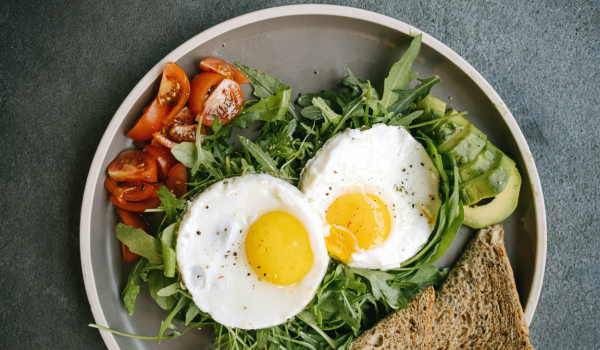
Omelet with vegetables
-
Whole-grain pasta with marinara and greens
-
Stir-fry with frozen vegetables and tofu
-
Burrito bowls
Save these meals for days when energy is low and time is limited.
Lean On Semi-Prepared Foods
Healthy eating doesn’t need to be 100% from scratch. Shortcuts include:
-
Bagged salad kits
-
Cooked grains
-
Frozen vegetables
-
Pre-cut produce
-
Canned beans or tuna
These tools reduce workload without sacrificing nutrition.
Make Takeout Part Of The Plan
Planning takeout is healthier than resorting to it spontaneously. Choose restaurants with fresh options or plan to stretch a dish into two meals with vegetables added from home.
Use Weekend Prep As A Launchpad—Not A Requirement
Prep Only What Helps Your Life
Meal prep doesn’t mean cooking five dishes in one afternoon. Helpful prep includes:
-
Washing produce
-
Chopping a few vegetables
-
Cooking one protein
-
Making breakfast for tomorrow
-
Portioning snacks
These tiny tasks shave minutes off busy evenings.
If Weekends Don’t Work, Pivot
Weekday prep is just as valid—chop veggies while dinner cooks, make lunches while packing school bags, or boil pasta while folding laundry. Prep isn’t about schedules; it’s about opportunity.
Plan Meals That Rotate, Not Repeat Perfectly
Mix Familiar Favorites With Something New
Maybe three comforting meals feel automatic, and one new idea keeps things interesting. Realistic routines thrive on familiarity.
Let Seasons Influence Choices
In summer, salads and bowls feel lighter. Winter may call for soups and casseroles. Holidays may introduce dining out or richer foods. Adjust naturally, not rigidly.
Let Leftovers Be A Strategy Instead Of A Surprise
Intentionally double recipes when possible to create fast lunches or dinners later in the week.
Build A Snack And Breakfast Rhythm Too
Stock Fueling Snacks
Keep nutrient-dense options available to avoid vending machines or sugary choices:
-
Fruit
-
Nuts
-
Yogurt
-
Popcorn
-
Whole-grain crackers
-
Cheese sticks
-
Hummus and vegetables
Create Easy Breakfast Templates
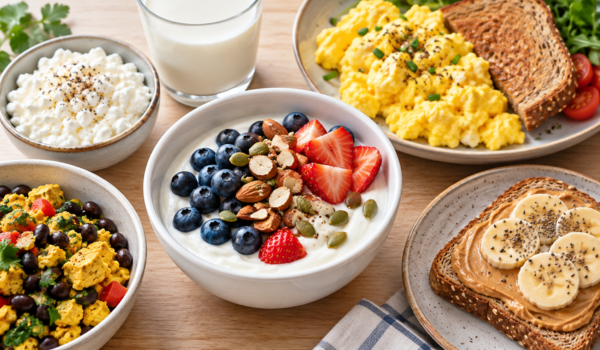
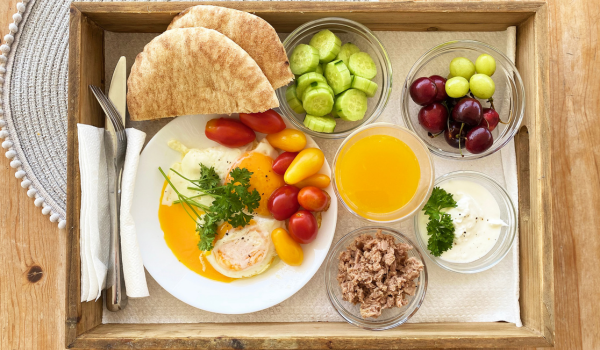
Rotate between simple staples such as:
-
Oatmeal with fruit
-
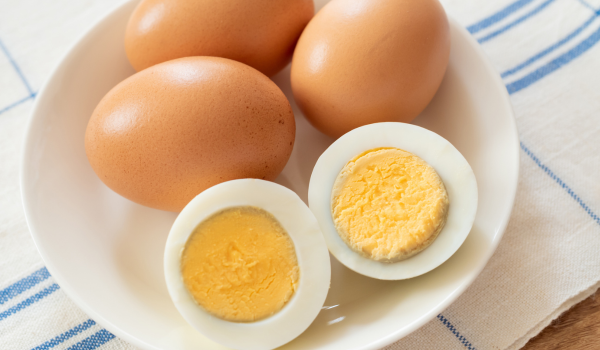
Eggs and whole-grain toast
-
Smoothies
-
Yogurt parfaits
Structure early meals reduces morning stress and stabilizes energy.
Stay Flexible And Adjust Week By Week
Notice What Worked—And What Didn’t
At the end of the week, reflect briefly:
-
Did we cook too much or too little?
-
Which meals felt easy?
-
Which nights needed extra support?
Use this information to improve next week—not criticize last week.
Plan For Your Life Stage
New parent? Work travel? Caring for aging parents? Every season of life may need a different level of planning. Your food routine should evolve with you.
Let Convenience Support You, Not Replace You
Frozen vegetables, rotisserie chicken, deli soups, and meal kits can bridge the gap between homemade and purchased food without sacrificing balance.
Conclusion
A weekly food routine that fits real life has less to do with strict planning and more to do with awareness, flexibility, and practical habits. By anchoring meals around simple ingredients, using shortcuts, rotating familiar recipes, and acknowledging your real schedule, eating well becomes achievable—even when life gets messy. You do not need to overhaul your diet or cook every night to benefit from routine. Small rhythms create big results over time, allowing you to nourish yourself and your family with less stress and more consistency.
Continue exploring Health365s.com for everyday eating strategies that adapt to the way you live, not the other way around.

.png)









.png)
.png)
.png)
.png)

.png)
.png)
.png)
.png)
.png)
.png)
.png)
.png)
.png)
.png)


.png)
.png)
.png)
.png)

