
Limited kitchen storage can quietly reshape daily eating habits. When cabinets are small, refrigerators are compact, and pantry shelves are minimal, food choices often become reactive rather than planned. It may feel harder to keep balanced ingredients on hand or prepare meals in advance. Yet eating well does not require a large kitchen. With thoughtful structure and strategic planning, limited storage can actually encourage simpler, more intentional eating patterns.
How Storage Space Influences Food Decisions
Reduced Ingredient Variety
When storage space is tight, fewer ingredients can be kept at once. This naturally limits variety and can make meal planning feel repetitive. Without space for bulk staples, frozen vegetables, or multiple proteins, grocery trips may need to happen more often.
This limitation often leads to last-minute purchases or reliance on ready-to-eat items. When shelves look empty, ordering takeout can feel easier than assembling a meal from scattered ingredients.
Increased Impulse Buying
Frequent grocery trips increase exposure to marketing and impulse purchases. Smaller shopping baskets mean more visits, and each visit creates opportunities for unplanned snacks or convenience foods.
Over time, this pattern shifts eating from structured meal preparation to spontaneous consumption based on what is available at the moment.
Rethinking Pantry Staples In Small Spaces
Choosing Versatile Core Ingredients
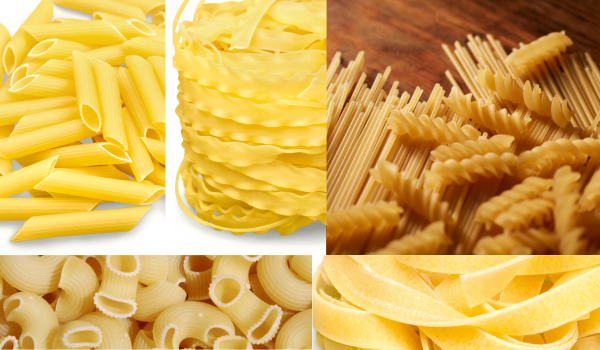
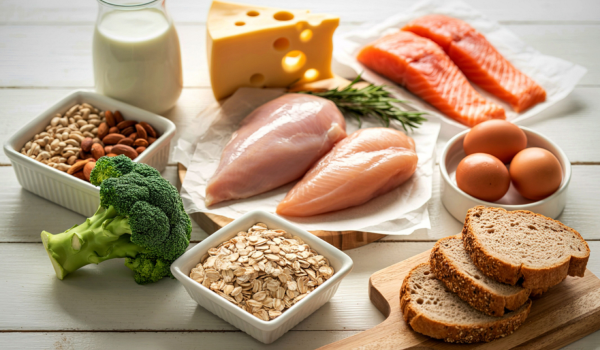
Limited storage works best when each ingredient serves multiple purposes. Staples such as rice, oats, canned beans, lentils, pasta, and shelf-stable proteins can form the foundation of many meals without taking up much space.
Selecting ingredients that combine easily with different vegetables and seasonings allows variety without clutter. One grain and one protein source can create multiple meal combinations when paired creatively.
Prioritizing Nutrient Density Over Quantity
Instead of storing many similar items, focusing on nutrient-dense basics reduces space demands. For example, keeping one healthy oil, a few spices, and versatile condiments simplifies cooking while maintaining flavor.
This approach shifts emphasis from abundance to functionality. Every item has a clear purpose, reducing waste and decision fatigue.
Managing Refrigerator And Freezer Constraints
Smart Fresh Food Rotation
Small refrigerators require intentional planning. Buying smaller amounts of fresh produce and using them quickly prevents overcrowding and spoilage. Prioritizing ingredients that have longer shelf lives, such as carrots, cabbage, or apples, extends flexibility.
Planning meals around what needs to be used first helps reduce waste and encourages mindful preparation.
Freezer Efficiency
Even a small freezer can support balanced eating. Storing a few frozen vegetables, a portioned protein source, and leftover grains provides quick building blocks for meals.
Portioning foods into smaller containers maximizes space and makes reheating easier. Freezer organization becomes more important than freezer size.
Simplifying Meal Preparation
Batch Cooking In Small Quantities
Large batch cooking may not be practical with limited storage, but small batch preparation still works. Cooking two or three servings at a time allows for leftovers without overwhelming fridge space.
Rotating simple meals rather than storing many options reduces clutter and maintains variety across the week.
Using Multi-Purpose Equipment
When cabinet space is tight, tools that serve multiple functions are valuable. A single pot can handle grains, soups, and stews. A pan can be used for vegetables, eggs, and proteins.
Minimizing equipment simplifies both cooking and cleanup, making regular meal preparation feel manageable.
Reducing Reliance On Processed Foods
Avoiding Shelf-Stable Overload
Limited pantry space can tempt residents to fill shelves with packaged snacks because they are easy to store. However, these foods often displace space that could hold foundational ingredients.
Balancing convenience with nourishment means selecting shelf-stable foods that contribute to complete meals rather than only quick bites.
Creating Clear Meal Anchors
When storage is limited, strong meal anchors become essential. A simple combination of grain, vegetable, and protein provides structure without requiring extensive supplies.
This consistent framework reduces dependence on snack foods and supports satiety.
Grocery Planning For Limited Storage
Frequent But Focused Shopping
Smaller storage spaces benefit from shorter, focused grocery lists. Planning meals for a few days at a time prevents overcrowding and ensures ingredients are used efficiently.
Shopping with a plan reduces impulse purchases and helps maintain nutritional balance.
Prioritizing Flexible Ingredients
Selecting foods that can be used in multiple meals increases efficiency. For example, a batch of roasted vegetables can serve as a side dish, a salad topping, or part of a grain bowl.
This flexibility prevents monotony without expanding storage needs.
Eating Structure In Compact Kitchens
Designating Meal Space
Limited kitchen size does not prevent creating a structured eating experience. Even a small table or cleared counter can serve as a consistent eating spot.
Eating in a defined area supports satiety and reduces mindless snacking.
Maintaining Clear Meal Boundaries
When space is tight, it is easy to snack while cooking or standing near the fridge. Establishing clear start and end points for meals helps maintain awareness of hunger and fullness.
Structure matters more than size when it comes to eating satisfaction.
Psychological Benefits Of Simplicity
Reduced Decision Fatigue
Fewer stored ingredients can actually simplify choices. When options are limited, meal decisions become quicker and less stressful.
This simplicity supports consistent habits and reduces mental strain around food.
Greater Appreciation Of Ingredients
When storage is minimal, each ingredient becomes more noticeable. Meals are built with intention rather than abundance.
This intentionality can increase satisfaction and reduce waste, reinforcing positive patterns.
Supporting Satiety With Limited Supplies
Balancing Macronutrients
Even in small kitchens, meals should include protein, fiber-rich carbohydrates, and healthy fats. These elements promote longer-lasting fullness and steady energy.
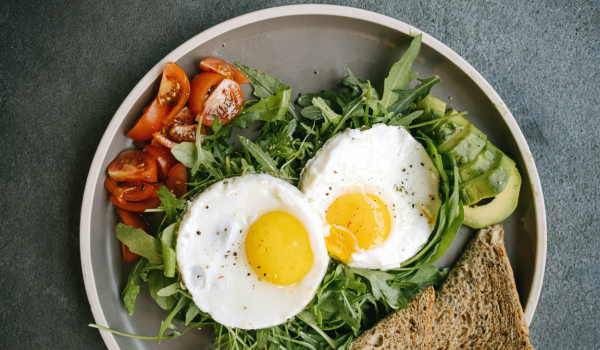
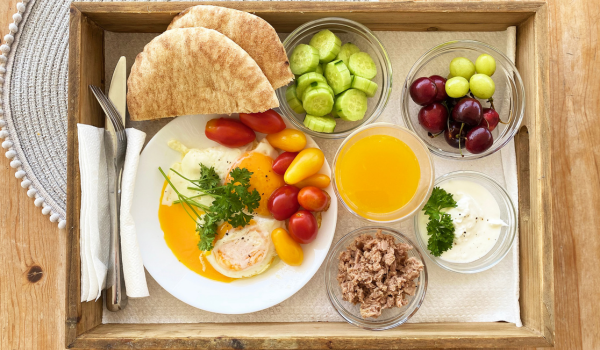
Simple combinations such as beans with rice and vegetables or eggs with whole grains and fruit provide balanced nourishment without extensive storage.
Using Snacks Strategically
Snacks can support appetite between meals but should complement rather than replace structured eating. Keeping one or two nourishing snack options prevents clutter while supporting energy.
Intentional snacking reduces grazing and maintains clearer hunger cycles.
Adapting Without Striving For Perfection
Accepting Storage Constraints
Limited space is not a barrier to healthy eating but a factor to work with. Recognizing constraints reduces frustration and encourages creative solutions.
Small adjustments over time support sustainable habits.
Focusing On Overall Patterns
The body responds to consistent patterns rather than single meals. Even with limited storage, maintaining a simple routine supports appetite regulation and nutritional balance.
Viewing eating across days rather than focusing on individual constraints reduces pressure.
Limited kitchen storage changes how food is purchased, prepared, and consumed. Smaller spaces can encourage frequent shopping, simpler meals, and strategic ingredient use. By focusing on versatile staples, balanced meal structures, and clear eating boundaries, it is possible to eat well without a large pantry. Learn more about how environment shapes food habits, explore practical strategies for compact kitchens, and take action today to build nourishing routines that fit your space.











.png)
.png)
.png)
.png)

.png)
.png)
.png)
.png)
.png)
.png)
.png)
.png)
.png)
.png)

.png)
.png)
.png)
.png)
.png)
.png)
.png)