.png)
Living alone changes more than just daily routines—it reshapes how and when people eat. Without shared meal times, family schedules, or group cooking, eating patterns in single-person households often become highly flexible but also less structured. Meals may be skipped, delayed, or replaced with snacks depending on mood, workload, or convenience.
While living alone can provide freedom of choice, it also removes many natural cues that encourage regular, balanced meals. Over time, these patterns can influence energy levels, digestion, mood, and overall health. Understanding how solo living affects eating habits helps explain why consistency can be harder—and why small adjustments can make a meaningful difference.
How Living Alone Changes Meal Structure
Meals Become Optional Rather Than Anchored
Without others to eat with, meals may feel less important or easier to postpone.
Snacking Replaces Traditional Meals
Many people rely on small, frequent snacks instead of full meals.
Timing Becomes Irregular
Eating often happens around work, entertainment, or sleep rather than hunger cues.
The Role Of Motivation In Solo Eating
Cooking For One Feels Less Rewarding
Preparing meals may feel like too much effort for one person.
Convenience Becomes The Default
Packaged foods and takeout are often chosen over cooking.
Effort Drops When Energy Is Low
After busy days, motivation to prepare balanced meals decreases.
Food Choices In Single-Person Households
Portability And Shelf Life Matter
Foods that are easy to store and quick to prepare become common staples.
Variety Often Declines
Buying and preparing multiple ingredients can feel impractical.
Taste Preferences Dominate
There is no need to compromise for others, which can reduce balance.
Eating Alone And Awareness
Less Attention To Meals
Eating while watching screens or working becomes common.
Reduced Meal Satisfaction
Distracted eating lowers enjoyment and awareness of fullness.
Portions Become Less Intentional
People may eat straight from packages rather than plated meals.
How Solo Eating Affects Energy Patterns
Irregular Fuel Leads To Fluctuating Energy
Long gaps between meals can cause fatigue and irritability.
Under-Eating During The Day Is Common
Busy schedules may delay eating until evening.
Evening Overeating Becomes A Pattern
Hunger accumulates and leads to larger meals late in the day.
Digestive Effects Of Unstructured Eating
Large Late Meals Increase Discomfort
Digesting heavy meals at night can affect sleep and comfort.
Inconsistent Intake Disrupts Digestive Rhythm
The gut functions best with predictable timing.
Snacking Without Balance Reduces Satiety
Frequent small snacks may not satisfy physical hunger.
Emotional Aspects Of Eating Alone
Loneliness Can Influence Food Choices
Food may be used for comfort or entertainment.
Stress Eating Becomes Easier
There is no social context to slow down eating.
Food Can Replace Social Rituals
Meals lose their role as shared experiences.
Budget And Portion Challenges
Bulk Buying Feels Wasteful
Fresh foods may spoil before being used.
Portion Sizes Are Designed For Families
Single servings are harder to find and often cost more.
Cost Influences Food Quality
Cheaper convenience foods may replace fresh options.
Grocery Shopping For One Person
Impulse Purchases Increase
Shopping without a list leads to random selections.
Limited Planning Leads To Repetition
The same meals are eaten repeatedly.
Food Waste Affects Choices
Fear of waste discourages buying fresh produce.
How Single-Person Eating Patterns Affect Long-Term Health
Nutrient Variety Often Decreases
Limited ingredients reduce dietary diversity.
Energy And Mood Become Less Stable
Irregular eating influences blood sugar and focus.
Habits Become Highly Individualized
Patterns are shaped entirely by personal routine and stress.
The Benefits Of Eating Alone
Full Control Over Food Choices
No negotiation or compromise is required.
Flexibility In Timing And Portions
Meals can adapt to true hunger signals.
Opportunity For Body Awareness
Solo eating can improve connection with internal cues.
Simple Ways To Support Healthier Eating Alone
Create Loose Meal Anchors
Set general times for meals without strict rules.
Use Simple Meal Formulas
Build meals with protein, carbohydrates, and fats.
Plate Meals Instead Of Snacking From Packages
This improves portion awareness and satisfaction.
Making Cooking For One Easier
Cook Once, Eat Twice
Leftovers reduce daily effort.
Use Frozen And Shelf-Stable Foods
These reduce waste and increase variety.
Simplify Recipes
Meals do not need to be complex to be balanced.
Reducing Reliance On Convenience Foods
Stock Easy Balanced Options
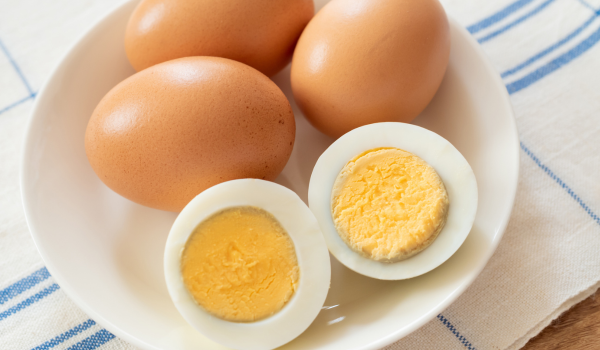
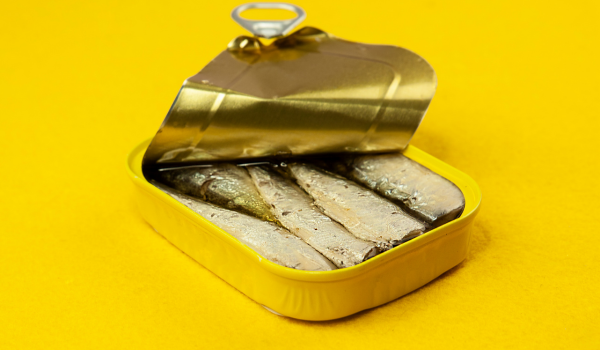
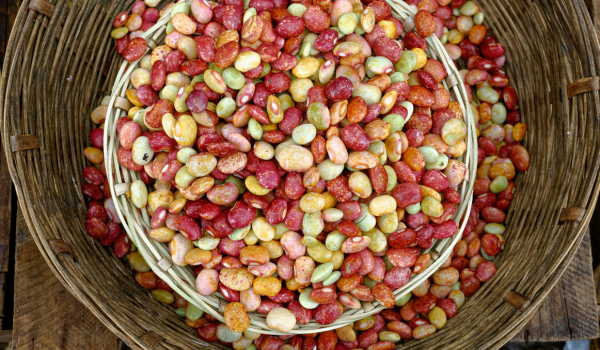
Canned beans, eggs, yogurt, and grains support quick meals.
Prepare Small Portions
Avoid feeling overwhelmed by large recipes.
Use Mix-And-Match Ingredients
This increases variety without complexity.
Building Consistent Eating Patterns When Living Alone
Respond To Early Hunger Signals
Avoid letting hunger become extreme.
Plan For Low-Energy Days
Have simple meals ready for busy times.
Focus On Patterns Over Perfection
Consistency matters more than ideal meals.
The Social Side Of Eating Alone
Occasional Shared Meals Matter
Eating with others improves enjoyment and pace.
Food Can Still Be A Ritual
Creating a pleasant eating space increases satisfaction.
Structure Supports Emotional Health
Meals can anchor the day emotionally as well as physically.
Signs Solo Eating Patterns May Need Adjustment
-
Skipping meals regularly
-
Eating most calories late at night
-
Relying heavily on packaged foods
-
Low energy or frequent fatigue
-
Digestive discomfort
-
Eating without noticing hunger or fullness
These patterns often reflect lifestyle structure rather than personal failure.
Long-Term Benefits Of Balanced Solo Eating
More Stable Energy
Consistent fuel supports focus and stamina.
Improved Digestive Comfort
Smaller, regular meals feel easier to process.
Better Relationship With Food
Eating becomes intentional rather than reactive.
Greater Independence In Health Choices
Solo living can support personalized habits.
Why Awareness Matters More Than Rules
Solo Living Requires Flexibility
Rigid plans rarely survive changing routines.
Body Feedback Is A Strong Guide
Energy and comfort provide useful signals.
Small Habits Accumulate Over Time
Daily patterns shape long-term health.
Conclusion
Eating patterns in single-person households are shaped by independence, convenience, and flexibility. Without shared routines, meals can become irregular, simplified, or emotionally driven. Over time, these patterns influence energy, digestion, and overall well-being.
Living alone does not require perfect planning or strict food rules. By creating simple structure, choosing accessible balanced foods, and paying attention to hunger and energy cues, solo eaters can build habits that support health and comfort. Explore more practical nutrition guidance on Health365s.com to continue shaping eating patterns that fit real life.


.png)
.png)
.png)
.png)

.png)
.png)
.png)
.png)
.png)
.png)
.png)
.png)
.png)
.png)

.png)
.png)
.png)
.png)
.png)
.png)
.png)
.png)