.png)
Eating at restaurants has become a natural part of busy American life—whether it’s a family outing on the weekend, a business lunch, a date night, or a takeout meal after a long day. Restaurants offer convenience, great flavors, and a chance to relax without cooking or cleaning. But there’s one big challenge people face: restaurant portions are often far larger than what most of us need to feel nourished.
Many meals served outside the home contain two to three times the amount of food you might eat from your own kitchen. Bigger plates, unlimited refills, rich sauces, and free bread baskets can make staying mindful feel impossible. Yet eating out should be enjoyable, not stressful—and it doesn’t need to derail your health or wellness goals. With a few simple habits, you can savor your favorite restaurants while leaving the table comfortable instead of overly full.
Why Restaurant Portions Can Lead To Overeating
Portions Have Grown Dramatically Over Time
Restaurant meals in the U.S. are often designed to feel generous. Larger portions mean customers believe they are getting “more value,” but this also means you may consume more calories, salt, fat, or sugar than intended—often without noticing.
Flavor Influences Appetite, Not Hunger
Restaurants use techniques that make food taste irresistible—creamy sauces, butter, salt, sugar, or crispy textures. These make the experience delicious but can keep you eating past comfort because flavor, not hunger, becomes the driver.
Distraction At The Table Plays A Role
Conversation, music, work talk, or screens create the perfect setting for mindless eating. When your attention isn’t on the food, it’s easy to eat more than you meant to.
Built-In Extras Add Up
Chips and salsa, bread baskets, appetizer platters, and dessert menus all expand the total amount eaten—often before you even reach your main course.
Use Awareness, Not Restriction, To Guide Restaurant Meals
Start By Observing Hunger
Before ordering, take a moment to assess whether you are lightly hungry, very hungry, or just eating socially. That awareness helps guide your choices and portion needs.
Eat With Intention, Not Rules
You don’t need to ban foods to stay comfortable. You can enjoy favorites while making small choices that keep you aligned with your needs.
Let Your Body Lead
Eating slowly allows you to sense fullness gradually rather than suddenly realizing you have overeaten. Pause occasionally to check whether you’re still hungry or satisfied.
Practical Ways To Enjoy Restaurant Portions Comfortably
Split A Meal With Someone You Trust
If two people are interested in the same dish, sharing can naturally align the amount of food with what your body needs. Many restaurants even offer half portions if asked.
Box Up Half Before You Start Eating
Ask your server to bring a takeout container with the meal, and pack away a portion right away. With it already packed, you’re less likely to eat past fullness—and you get a second meal for later.
Order An Appetizer As Your Main Course
Many appetizers are closer in size to a balanced portion than full entrées. Pair one with a salad or vegetable side for a satisfying meal.
Choose A Side Dish Meal
Side menus often include roasted vegetables, soups, baked potatoes, or grains. Combining two or three sides can make a customizable, nutrient-dense meal without the oversized entrée.
Strategies To Stay Comfortable When The Food Is Irresistible
Pick One Part Of The Meal To Indulge In
You might love restaurant fries, or prefer dessert, or enjoy creamy pasta. Choose the element that matters most to you and balance the rest of the meal with lighter choices so you stay comfortable.
Pause Mid-Meal
Halfway through your plate, put down your fork for a moment. Notice flavor, fullness, and whether continuing will feel satisfying or overly heavy.
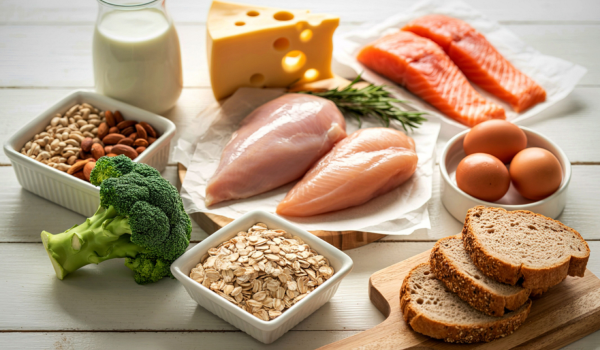
Build A Balanced Plate Even At Restaurants
Look for meals that include:
-
A protein source
-
Vegetables or salad
-
Whole grains or starchy sides
This structure keeps you full longer and helps regulate appetite naturally.
Keep Hydration Steady
Sipping water throughout the meal supports digestion and helps prevent mistaking thirst for hunger. Try alternating water with each bite of food or drink order.
Smart Ordering Choices That Still Taste Great
Focus On Meals With Vegetables Included
Stir-fries, bowl meals, fajitas, entrée salads, grain bowls, and grilled platters naturally include fresh produce, lowering overall calorie density while increasing satisfaction.
Customize One Element Without Feeling High-Maintenance
Simple swaps can make restaurant meals lighter:
-
Ask for sauces or dressings on the side
-
Request grilled instead of fried
-
Choose vegetables instead of fries—unless fries are your favorite for the day
-
Opt for broth-based soups over creamy ones
These small changes can make a physical difference while preserving flavor and enjoyment.
Limit Bottomless Add-Ons If They Don’t Serve You
Instead of mindlessly continuing to nibble on chips or bread, serve yourself a small portion, tuck the basket aside, or politely ask for it to be removed if you prefer.
Balancing Social Eating And Personal Needs
Don’t Skip Meals Before Eating Out
Arriving overly hungry makes thoughtful choices harder and increases the likelihood of overeating. Eat a balanced snack—fruit and nuts, Greek yogurt, or whole-grain crackers—if you’re hungry before the meal.
Focus On The Experience
Eating out is social. Enjoy conversation, atmosphere, and connection, not only the food itself. When food is part of the event—not the center—your body naturally steers toward comfort.
Release Guilt Or Pressure
Overeating occasionally is normal. One meal never defines your health. What matters most is patterns built over time, not what happens at a single restaurant outing.
How To Apply These Habits To Takeout And Delivery
Plate Your Meal At Home
Instead of eating from the container, serve a portion onto a plate. Visuals help your brain recognize how much food you need.
Add Fresh Foods From Your Fridge
Pair takeout with leftover vegetables, fruit, or salad to complete the meal.
Save Part For Another Meal
Many delivery portions easily stretch to two servings—especially pasta dishes, rice bowls, burritos, and fried foods.
Freeze Extras For Future Busy Nights
If you have more food than you want across two meals, freeze the rest so nothing goes to waste.
Building Confidence In Restaurant Eating Over Time
Practice One Small Strategy Per Meal Out
Maybe split the entrée this time. Add a side salad next time. Box food halfway next time. Small steps build comfort gradually without stress.
Notice What Feels Good For Your Body
Feeling energized and satisfied afterward is a great sign. Feeling overly full or sluggish is helpful feedback—not punishment.
Stay Curious, Not Perfectionistic
Eating out is part of life. Enjoyment is healthy. Balance comes from listening to your body consistently, not from strict rules or deprivation.
Conclusion
Restaurants are meant to be enjoyed—not feared or avoided. With mindful habits such as sharing meals, choosing balanced plate elements, slowing down while eating, and saving leftovers, you can enjoy restaurant food while still honoring your health and comfort. Instead of trying to resist or control every bite, focus on strategies that allow you to experience delicious food and social connection without feeling overstuffed. Over time, these habits become second nature, helping you build a long-term, relaxed relationship with eating out.
Explore more everyday nutrition guides and practical healthy eating strategies at Health365s.com to help create balance wherever you dine.

.png)
.png)
.png)
.png)
.png)
.png)
.png)
.png)
.png)
.png)
.png)
.png)
.png)
.png)
.png)

.png)
.png)
.png)
.png)