
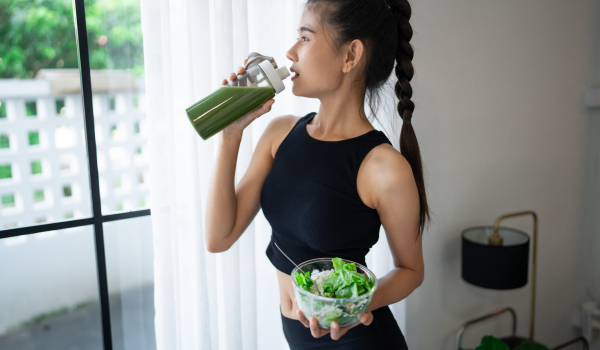
For many people, modern routines blur the line between meals and beverages. Smoothies replace breakfast, protein shakes stand in for lunch, and coffee-based drinks become afternoon fuel. While drinks can provide nutrients and convenience, relying on them too heavily can change how hunger, fullness, and satisfaction are experienced. Understanding how to eat well when meals are replaced by drinks helps explain why this pattern sometimes feels efficient yet leaves the body asking for more.
Why Drinks Are Often Used As Meal Replacements
Convenience In Busy Schedules
Liquid meals fit easily into fast-paced days. They can be consumed quickly, prepared in advance, and taken anywhere. For people with long commutes, shift work, or limited breaks, drinks feel like a practical solution when sitting down to eat is not possible.
This convenience reduces the effort required to eat, but it also removes many of the signals that normally tell the body a meal has occurred. The speed and ease that make drinks attractive can also limit their ability to create lasting satiety.
Cultural And Marketing Influences
Modern food culture promotes drinks as complete meals. Smoothies, meal replacement shakes, and fortified beverages are marketed as efficient and nutritionally balanced. These messages suggest that drinking nutrients is equivalent to eating food.
Over time, this framing encourages people to view meals as optional rather than essential. Eating becomes something that can be compressed into a bottle, changing expectations around hunger and satisfaction.
How Liquid Calories Affect Hunger And Fullness
Weaker Satiety Signals
Satiety depends on several factors, including chewing, stomach stretch, and digestion time. Liquid meals bypass much of this process. They require little chewing and pass through the stomach more quickly than solid foods.
Because of this, hormones that signal fullness may not rise as strongly or as long. A drink may provide enough calories but still leave a person feeling hungry shortly afterward. This is not a failure of willpower but a physiological response to how liquids are processed.
Reduced Awareness Of Intake
Drinks are often consumed alongside other activities such as driving or working. This reduces attention to the eating experience. When the brain is distracted, it may not register the intake as a complete meal.
As a result, hunger can return sooner because the meal was not fully recognized. Solid meals, which take longer to eat and require more focus, are more likely to produce a clear sense of completion.
Nutritional Gaps When Meals Become Drinks
Fiber And Digestive Pace
Fiber plays a key role in satiety and digestive health. Many liquid meals contain less fiber than whole foods or include fiber in processed forms that behave differently in the gut.
Without sufficient fiber, digestion speeds up, and blood sugar may rise and fall more quickly. This can lead to energy dips and renewed hunger. Even nutrient-dense drinks may lack the structural elements that slow digestion and support fullness.
Texture And Chewing Signals
Chewing is not just mechanical; it sends signals to the brain that eating is happening. These signals contribute to satisfaction and satiety. Liquid meals remove this sensory input.
The absence of texture can make eating feel incomplete. The body receives calories, but the brain may still expect a meal experience that includes chewing and varied textures.
When Drinks Can Support Healthy Eating
As Complements Rather Than Replacements
Drinks can be helpful when they support meals instead of replacing them entirely. A smoothie alongside a small solid meal can add nutrients without removing the eating experience.
In situations where appetite is low, such as early mornings or illness, liquid nutrition can provide gentle energy without forcing solid food. The key is recognizing when drinks are appropriate and when solid food would better meet needs.
During Short-Term Constraints
There are moments when solid meals are not practical. Long meetings, travel, or medical recovery may require temporary reliance on drinks. In these cases, choosing beverages with protein, fiber, and healthy fats improves their ability to sustain energy.
Using drinks strategically rather than habitually prevents them from becoming the default response to hunger.
Common Challenges Of Drink-Based Eating Patterns
Frequent Snacking And Grazing
Because liquid meals often do not satisfy hunger for long, people may snack repeatedly afterward. This leads to fragmented eating without clear meal boundaries.
The body receives energy in pieces, making it harder to feel truly fed. This pattern can increase mental preoccupation with food and reduce satisfaction.
Misinterpreting Hunger Signals
When meals are replaced by drinks, hunger signals can become confusing. A person may feel hungry despite having consumed enough calories, leading to frustration.
This confusion can result in eating more later in the day or choosing highly palatable foods to compensate for the lack of satisfaction earlier.
How The Body Responds Over Time
Adaptation To Faster Intake
The body adapts to patterns it experiences repeatedly. When liquid meals become common, hunger may return more quickly because digestion is faster and satiety signals are shorter-lived.
This adaptation does not mean the body is broken. It reflects learning from repeated experiences. However, the learned pattern may not support comfort or energy stability.
Shifts In Appetite Timing
Replacing meals with drinks can also shift when hunger appears. A skipped solid breakfast replaced by a drink may delay hunger until later in the morning, followed by intense appetite.
These shifts can feel unpredictable, especially when compared to expectations of regular meal-based hunger.
Practical Ways To Eat Well When Using Drinks
Adding Structure To Liquid Meals
When drinks are used, adding structure improves satisfaction. Including protein, fiber-rich ingredients, and healthy fats slows digestion and supports fullness.
Blending whole fruits, vegetables, seeds, and protein sources creates a more complete nutrient profile than relying on juices or sweetened beverages.
Pairing Drinks With Solid Foods
Combining a drink with a small solid component restores chewing and texture. For example, a smoothie paired with toast, yogurt, or nuts provides sensory signals that support satiety.
This pairing helps the brain recognize the intake as a meal rather than a snack.
Slowing Down Consumption
Drinking slowly allows time for satiety signals to develop. Sipping rather than rushing helps the body register intake more clearly.
Treating a drink like a meal, sitting down and focusing on it, improves satisfaction compared to consuming it on the move.
Watching Patterns Instead Of Single Choices
Occasional meal replacement drinks are not harmful. The body responds to overall patterns. If most meals are liquid, hunger regulation may feel off. If drinks are occasional, the system remains balanced.
Evaluating habits over days and weeks provides a clearer picture than focusing on one busy day.
Rebuilding Satisfaction In A Drink-Focused Routine
Recognizing The Role Of Experience
Eating is more than nutrient delivery. It is an experience involving taste, texture, and time. Solid meals fulfill these roles more fully than drinks.
Acknowledging this helps explain why liquid meals often feel insufficient, even when nutrition labels suggest completeness.
Choosing Simplicity And Awareness
Rather than eliminating drinks, using them intentionally supports balance. Simple, minimally processed beverages combined with real food maintain both convenience and satisfaction.
Awareness of hunger before and after drinking helps determine whether a beverage truly met needs or if solid food would be more appropriate next time.
Drinks can play a useful role in modern eating, but replacing meals with beverages changes how hunger and fullness are experienced. Liquids digest quickly, provide weaker satiety signals, and often lack the sensory elements that make meals satisfying. By understanding these effects, people can use drinks more effectively without losing the benefits of solid food. Learn more about how eating patterns shape appetite, explore ways to balance convenience with nourishment, and take action today to make meal replacements work better for your body.


.png)
.png)
.png)
.png)
.png)
.png)
.png)
.png)
.png)
.png)
.png)
.png)
.png)
.png)
.png)
.png)
.png)
.png)
.png)
.png)
.png)
.png)

