
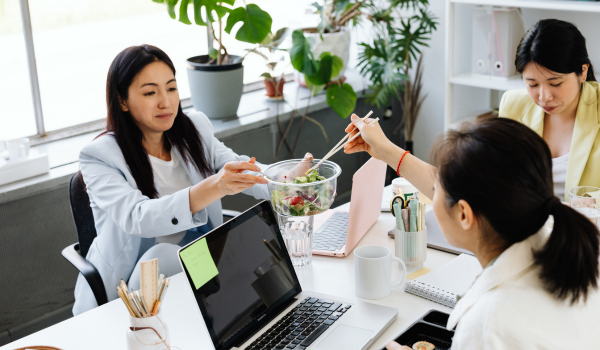
Lunch at work is rarely just about hunger. Office culture quietly determines what people eat, when they eat, and how they feel about their food choices. Meetings, deadlines, social norms, and workplace routines all influence whether lunch becomes a balanced break or a rushed afterthought. Over time, these patterns shape energy levels, digestion, and long-term eating habits.
In many workplaces, lunch reflects the pace and values of the organization. Some offices encourage stepping away from desks and sharing meals, while others normalize eating in front of screens or skipping breaks altogether. Understanding how office culture shapes lunch choices helps explain why healthy intentions often fade during busy workdays—and why small cultural shifts can make a meaningful difference.
Why Workplace Environment Influences Food Decisions
Time Pressure Drives Food Selection
Short or unpredictable breaks push people toward fast and portable foods.
Social Norms Guide Behavior
Employees tend to copy how coworkers eat and when they eat.
Physical Space Affects Choices
Break rooms, vending machines, and nearby restaurants shape available options.
The Role of Meeting Schedules
Meetings Replace Meal Times
Lunch is often moved or skipped due to calendar demands.
Eating Becomes Secondary
Food is consumed during calls instead of as a separate activity.
Hunger Builds Up Late in the Day
Delayed meals lead to overeating in the afternoon or evening.
Desk Eating and Its Impact
Screens Reduce Food Awareness
People eat without noticing portion size or fullness.
Speed Increases When Working
Meals are finished quickly to return to tasks.
Satisfaction Declines
Distracted eating lowers enjoyment and satiety.
How Team Culture Shapes Food Choices
Group Ordering Sets Defaults
Shared takeout determines what individuals eat.
Celebrations Center Around Food
Birthdays and milestones introduce frequent treats.
Peer Influence Normalizes Portions
What others eat feels appropriate.
The Influence of Productivity Expectations
Skipping Lunch Feels Like Commitment
Working through meals is seen as dedication.
Breaks May Feel Like a Luxury
Employees hesitate to step away.
Energy Is Sacrificed for Output
Short-term productivity replaces long-term focus.
Access to Food in the Workplace
Vending Machines Encourage Snacking
Packaged foods become easy substitutes for meals.
Office Kitchens Shape Meal Structure
Microwaves and fridges enable leftovers or meal prep.
Nearby Food Options Matter
Fast food proximity influences daily habits.
Stress and Emotional Eating at Work
Workload Drives Comfort Eating
Food becomes a stress-relief tool.
Deadlines Trigger Cravings
Quick energy foods feel more appealing.
Anxiety Reduces Meal Planning
Choices become reactive rather than intentional.
Lunch and Social Connection
Shared Meals Build Relationships
Eating together strengthens team bonds.
Eating Alone Can Become Routine
Busy offices discourage social breaks.
Food Becomes a Communication Tool
Meetings are scheduled over lunch to maintain connection.
How Office Culture Affects Portion Size
Restaurant Portions Set Standards
Lunch out often means oversized meals.
Shared Snacks Increase Intake
Communal food encourages grazing.
No Visual Boundaries Exist
Eating from containers blurs portion limits.
The Effect on Energy and Focus
Late Lunch Causes Afternoon Fatigue
Low blood sugar affects concentration.
Heavy Meals Reduce Alertness
Large portions slow digestion.
Inconsistent Timing Disrupts Rhythm
The body struggles to maintain stable energy.
Digestive Consequences of Workday Eating Patterns
Rushed Meals Increase Discomfort
Poor chewing affects digestion.
High-Fat Lunches Feel Heavier
Sleepiness and bloating become common.
Irregular Timing Affects Gut Routine
Digestive predictability decreases.
Long-Term Habits Formed at Work
Weekday Patterns Become Default
Work habits influence overall diet.
Convenience Replaces Planning
Meals feel transactional.
Body Signals Are Ignored
External schedules override hunger.
Signs Office Culture Is Driving Your Lunch Choices
-
Skipping or delaying lunch regularly
-
Eating only at your desk
-
Choosing food based on speed
-
Relying on snacks instead of meals
-
Feeling tired after lunch
-
Eating because others are ordering
These patterns reflect environment rather than personal failure.
Creating Healthier Lunch Habits at Work
Protect a Lunch Window
Even a short break improves awareness.
Separate Eating from Working
Changing location restores focus.
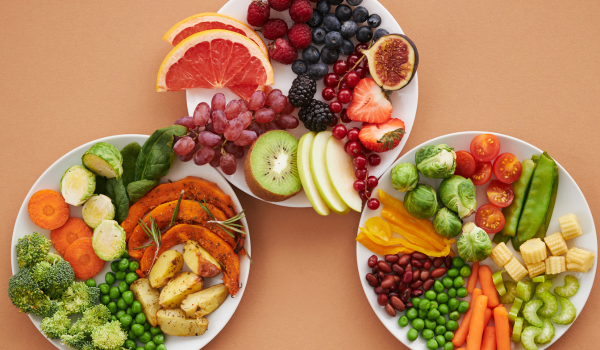
Bring Balanced Options
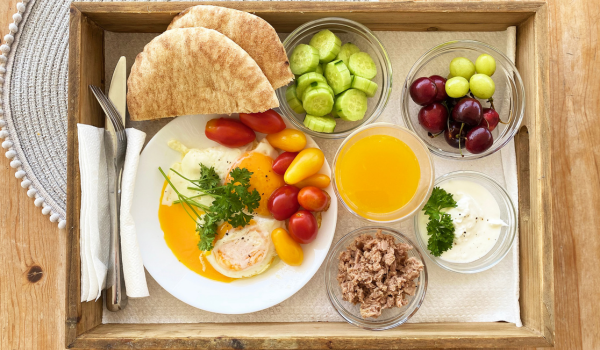
Protein, vegetables, and grains improve energy.
How Employers Influence Lunch Culture
Encouraging Breaks Improves Health
Rest supports productivity.
Providing Food Storage Helps Choices
Fridges and microwaves enable planning.
Scheduling Respects Meal Time
Avoiding meeting overlap supports routine.
How Coworkers Shape Eating Norms
Modeling Breaks Normalizes Them
Seeing others eat encourages participation.
Shared Healthy Options Change Defaults
Fruit and balanced snacks influence group behavior.
Respecting Individual Choices Reduces Pressure
Autonomy supports balance.
Making Lunch More Satisfying
Slow Down the Pace
Enjoying food improves fullness.
Eat Enough to Last the Afternoon
Undereating leads to later snacking.
Hydrate During Lunch
Water supports digestion and focus.
Using Office Structure to Support Better Eating
Set Reminders for Meals
Technology can protect timing.
Pack Simple Meals
Ease reduces decision fatigue.
Use Lunch as Mental Reset
Food becomes recovery time.
Why Awareness Works Better Than Rules
Rigid Diets Clash with Work Demands
Flexibility survives real life.
Understanding Replaces Guilt
Knowledge builds control.
Small Shifts Last Longer
Habits form gradually.
How Balanced Lunch Supports Productivity
Stable Energy Improves Focus
Meals fuel mental performance.
Better Digestion Reduces Discomfort
Comfort supports engagement.
Breaks Improve Creativity
Stepping away enhances problem-solving.
Long-Term Benefits of Healthier Office Lunch Habits
Reduced Burnout
Rest supports resilience.
More Consistent Energy
Afternoons feel easier.
Improved Relationship with Food
Eating feels intentional.
Sustainable Workday Routines
Habits support both health and output.
Conclusion
Office culture shapes lunch choices through time pressure, social norms, and productivity expectations. Meetings, desk eating, and group ordering often push meals toward convenience rather than nourishment. These patterns influence energy, digestion, and long-term health, even when individuals intend to eat well.
Eating better at work does not require perfect meals or strict rules. By protecting meal time, separating food from screens, and creating supportive workplace norms, lunch can become a source of energy instead of exhaustion. Explore more practical nutrition insights on Health365s.com to build eating habits that work within modern office life while supporting long-term well-being.











.png)
.png)
.png)
.png)


.png)
.png)
.png)
.png)
.png)
.png)
.png)
.png)
.png)
.png)

.png)
.png)
.png)
.png)
.png)
.png)
.png)
.png)

