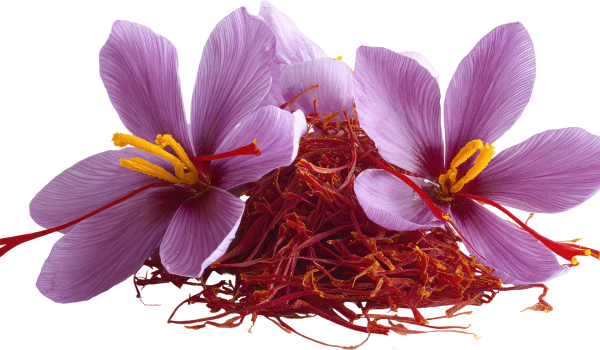
Saffron comes from the Crocus sativus flower and is known for both its culinary and medicinal uses. Although it is one of the most expensive spices in the world, even small amounts may offer meaningful health benefits when added to food or beverages.
1. You’ll Get a Dose of Powerful Antioxidants
How it helps
Saffron contains carotenoids and terpenes, including crocin and safranal, that act as strong antioxidants. These compounds help reduce inflammation and protect cells from oxidative stress. Research shows saffron supplementation may significantly lower markers of oxidative damage in the body.
2. Your Mood May Improve
How it helps
Clinical studies suggest saffron may help ease symptoms of anxiety and depression. Crocin and safranal appear to boost levels of serotonin, dopamine, and norepinephrine by slowing their breakdown, which may help stabilize mood. While findings are promising, professional guidance is advised before using saffron for mood support.
3. Your Cognitive Health May Be Supported
How it helps
Saffron may benefit memory and daily function, particularly in adults with mild cognitive impairment or Alzheimer's disease. Its anti-inflammatory and antioxidant effects may help protect brain cells, though more studies are needed to confirm long-term impact.
4. Your Eye Health Could Get a Boost
How it helps
Saffron extract has been shown to improve vision in people with early macular degeneration and certain diabetic eye conditions. Studies suggest it may reduce eye pressure and slow disease progression by lowering inflammation in eye tissues.
5. You May Reap Heart Health Benefits
How it helps
Saffron may improve heart health by reducing inflammation, blood sugar, and cholesterol levels. Reviews indicate saffron supplementation can help lower LDL cholesterol, total cholesterol, and diastolic blood pressure—key risk factors for cardiovascular disease.
6. You Might Get Weight Management Support
How it helps
Certain carotenoids found in saffron support healthy metabolism and may help regulate appetite and inflammation. Some studies suggest saffron extract may reduce snacking urges and support fat metabolism, which could make weight management easier.
7. Your Sleep Could Improve
How it helps
Sleep quality may improve with saffron due to its effect on melatonin production and calming brain receptors involved in sleep cycles. Research shows saffron extract may lengthen sleep duration and improve overall rest, though larger studies are needed.
Saffron Nutrition Basics
A two-tablespoon serving delivers small amounts of calories, carbohydrates, and protein. While saffron is not a major source of vitamins or minerals, it provides a high concentration of manganese—important for metabolism, nerve function, and blood clotting—along with traces of vitamin C.
What Are the Risks of Saffron?
General safety
Culinary amounts are generally considered safe for most adults. Mild side effects such as headaches or digestive upset may occur with higher doses.
When to avoid
People who are pregnant or breastfeeding should avoid large supplemental doses due to lack of safety data. More than 100 mg per day should only be used short-term under medical supervision. Consuming several grams at once can be dangerous or even fatal.
Tips for Consuming Saffron
How to use it
Saffron is typically sold as dried threads and should be used sparingly due to its potency. It can be steeped in warm water or milk before adding to dishes to help disperse flavor. Popular uses include saffron rice, golden milk, cakes, stews, ice cream, or latte-style drinks.

.png)




.png)
.png)
.png)
.png)

.png)
.png)
.png)
.png)
.png)
.png)
.png)
.png)
.png)
.png)



.png)
.png)
.png)
.png)