

Complex carbohydrates are digested more slowly than simple carbs, helping provide steady, long-lasting energy. You’ll find them in whole grains, beans, vegetables, and fruits—foods that also deliver fiber, vitamins, and minerals.
Here’s what to know about simple vs. complex carbohydrates, which foods to prioritize, and how they support your health.
Simple vs. Complex Carbohydrates: What’s the Difference?
All carbohydrates are made up of sugar molecules like glucose, fructose, and galactose. They’re classified as simple or complex based on how many sugar units they contain.
Simple Carbohydrates
Simple carbohydrates consist of one or two sugar molecules, making them easy for your body to digest. Because they’re absorbed quickly, they can cause rapid spikes in blood sugar and insulin.
Common simple sugars include:
-
Glucose
-
Fructose
-
Galactose
-
Sucrose
-
Lactose
-
Maltose
Simple carbohydrates naturally occur in fruits and dairy products. However, many ultra-processed foods contain added sugars such as high-fructose corn syrup or table sugar.
Examples of foods high in simple carbohydrates include:
-
Candy
-
Ice cream
-
Soda
-
Sugary cereals
-
Baked goods
These foods are often high in calories but low in fiber and essential nutrients. Consistently eating large amounts of added sugars may increase the risk of obesity, type 2 diabetes, and heart disease.
Complex Carbohydrates
Complex carbohydrates, also known as polysaccharides, are made of three or more sugar units linked together. This structure makes them harder to break down, resulting in slower digestion and a gradual rise in blood sugar.
There are three main types:
-
Starch
-
Fiber
-
Glycogen
Starch and fiber are found in foods, while glycogen is stored in your liver and muscles as a source of energy.
Because complex carbs digest slowly, they help maintain stable energy levels and support overall metabolic health.
Best Sources of Complex Carbohydrates
Replacing refined or sugary foods with complex carbohydrates is a simple way to improve diet quality. Here are some of the best sources.
Whole Grains
Whole grains contain all three parts of the grain kernel:
-
Bran (outer layer, rich in fiber)
-
Germ (nutrient-dense core)
-
Endosperm (starchy middle layer)
Refined grains lose the bran and germ during processing, which removes much of the fiber and nutrients.
Healthier whole grain options include:
-
Brown rice
-
Oats
-
Quinoa
-
Buckwheat
-
Farro
-
Millet
Whole grains provide fiber, B vitamins, iron, and other minerals that support heart and digestive health.
Pulses (Beans and Legumes)
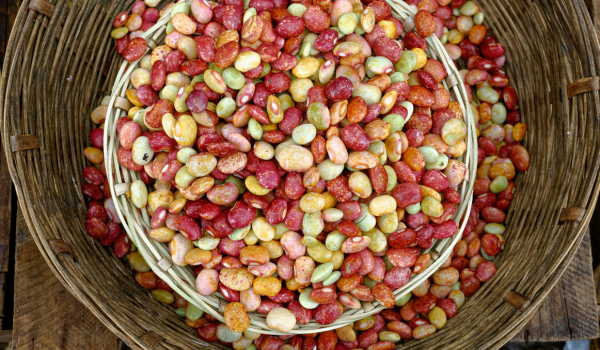
Pulses are nutrient-dense plant foods rich in fiber, protein, vitamins, and minerals. Diets high in pulses have been linked to improved digestive health and lower risk of certain chronic conditions.
Examples include:
-
Black beans
-
Chickpeas
-
Lentils
-
Kidney beans
-
Pinto beans
-
Cannellini beans
-
Peas
They’re also an affordable and sustainable protein source.
Starchy Vegetables
All vegetables contain carbohydrates, but some are naturally higher in starch.
Nutritious starchy vegetables include:
-
Potatoes
-
Sweet potatoes
-
Beets
-
Butternut squash
-
Acorn squash
-
Delicata squash
-
Parsnips
These foods provide fiber, potassium, and antioxidants alongside complex carbohydrates.
Fruits
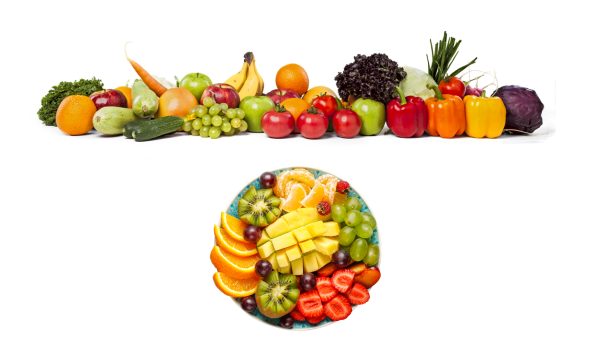
Fruit contains natural sugars but also fiber, vitamins, minerals, and protective plant compounds. The fiber in whole fruit slows digestion and helps prevent sharp blood sugar spikes.
Healthy fruit options include:
-
Apples
-
Bananas
-
Blueberries
-
Oranges
-
Mangoes
-
Peaches
-
Strawberries
Eating whole fruit instead of fruit juices helps preserve fiber intake and improve satiety.
Health Benefits of Complex Carbohydrates
Choosing complex carbohydrates over refined or sugary options may provide several benefits:
-
Support for beneficial gut bacteria
-
Longer-lasting fullness, which may help manage calorie intake
-
Improved digestive regularity
-
Lower risk of heart disease
-
Reduced risk of colon cancer
Fiber plays a major role in many of these benefits by improving gut health and supporting healthy cholesterol levels.
How to Limit Simple Carbohydrates
A diet high in added sugars and refined grains can negatively affect metabolic and cardiovascular health. Reducing simple carbohydrates while increasing fiber-rich foods may help improve long-term outcomes.
Limit Added Sugars
Added sugars include:
-
Table sugar
-
High-fructose corn syrup
-
Honey
-
Syrups
-
Sweetened beverages
Health organizations recommend limiting added sugars to:
-
No more than 9 teaspoons (38 grams) per day for men
-
No more than 6 teaspoons (25 grams) per day for women
Many people exceed these limits through sugary drinks, flavored coffees, desserts, and packaged snacks.
Reduce Refined Grains
Refined grains like white bread, white rice, and many crackers have had fiber and nutrients removed during processing.
While occasional consumption is fine, most of your carbohydrate intake should come from:
-
Whole grains
-
Beans
-
Vegetables
-
Fruits
Watch Sugary Foods and Drinks
Common sources of hidden sugars include:
-
Sweetened yogurt
-
Salad dressings
-
Granola
-
Dipping sauces
-
Energy drinks
-
Sweetened coffee beverages
Replacing soda or energy drinks with sparkling water or unsweetened tea is a simple way to cut back.
The Bottom Line
Complex carbohydrates provide steady energy, support digestive health, and contribute essential nutrients to your diet. Whole grains, beans, starchy vegetables, and fruits are excellent sources.
Limiting added sugars and refined grains while focusing on fiber-rich carbohydrates can help stabilize blood sugar, improve satiety, and reduce the risk of chronic disease.
Was this page helpful?



















.png)
.png)
.png)
.png)


.png)
.png)
.png)
.png)
.png)
.png)
.png)
.png)
.png)
.png)




.png)
.png)
.png)
.png)
.png)
.png)
.png)

