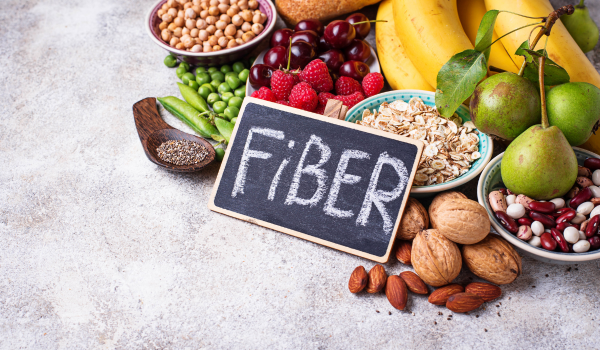
Soluble and insoluble fiber are types of carbohydrates your body cannot digest. Even though they aren’t broken down like other carbs, both play essential roles in digestion, blood sugar balance, heart health, and overall well-being.
Soluble fiber dissolves in water and forms a gel-like substance in your digestive tract. It’s especially helpful for managing cholesterol and stabilizing blood sugar levels.
Insoluble fiber does not dissolve in water. Instead, it moves through your digestive system largely intact, helping to promote regular bowel movements and prevent constipation.
To support optimal health, it’s important to include a variety of foods that contain both types of fiber throughout the day.
What Is Soluble Fiber?
Soluble fiber absorbs water in the digestive tract and forms a thick, gel-like material. This slows digestion and nutrient absorption, which can be beneficial for blood sugar control and gut health.
How Soluble Fiber Supports Your Health
Soluble fiber offers several important benefits:
-
Feeds beneficial gut bacteria
-
Promotes feelings of fullness
-
Helps prevent blood sugar spikes
-
Lowers LDL (“bad”) cholesterol
-
Supports nutrient absorption
-
May reduce gut inflammation
-
Can help manage diarrhea
When soluble fiber is fermented by gut microorganisms, it produces short-chain fatty acids. These compounds support intestinal health and may help reduce inflammation in the digestive tract.
Foods High In Soluble Fiber
You can find soluble fiber in many plant-based foods, including:
-
Oats
-
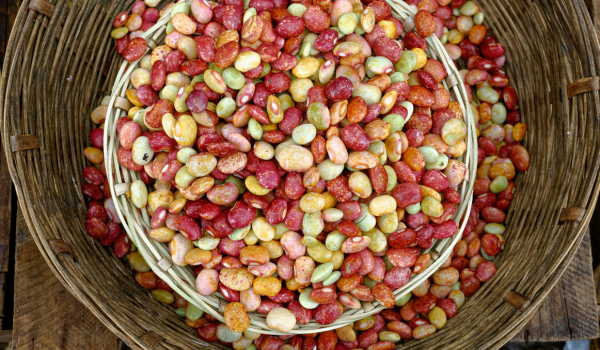
Beans
-
Peas
-
Apples
-
Bananas
-
Citrus fruits
-
Strawberries
-
Avocados
-
Brussels sprouts
These foods are excellent additions to a heart-healthy and blood sugar–friendly eating pattern.
What Is Insoluble Fiber?
Insoluble fiber does not dissolve in water. Instead of forming a gel, it adds bulk to stool and helps move waste through the digestive tract more efficiently.
Because it speeds up digestion, insoluble fiber is particularly helpful for preventing and relieving constipation.
How Insoluble Fiber Supports Your Health
Key benefits of insoluble fiber include:
-
Promotes regular bowel movements
-
Prevents and relieves constipation
-
Improves insulin sensitivity
-
May lower the risk of type 2 diabetes
-
Linked to lower risk of high blood pressure
By supporting digestive regularity, insoluble fiber also helps maintain overall gut health.
Foods High In Insoluble Fiber
Common sources of insoluble fiber include:
-
Whole-wheat bread
-
Whole-wheat pasta
-
Wheat bran
-
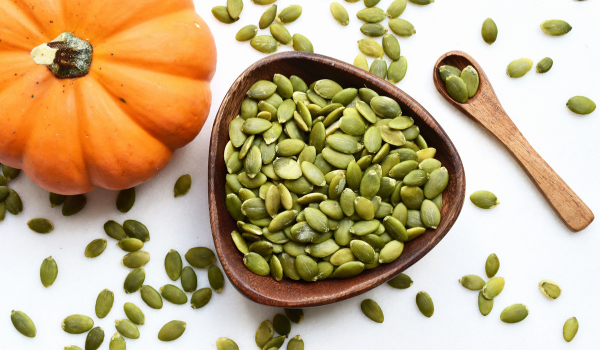
Nuts
-
Seeds
-
Peppers
-
Carrots
-
Cucumbers
-
Potatoes
-
Tomatoes
-
Fruit and vegetable skins
Whole grains and plant skins are especially rich in this type of fiber.
Comparing Soluble And Insoluble Fiber
While both types are important, they function differently in the body.
Soluble Fiber
-
Forms a gel during digestion
-
Slows digestion
-
Feeds healthy gut bacteria
-
Lowers cholesterol
-
Helps prevent blood sugar spikes
-
Supports diarrhea management
Insoluble Fiber
-
Moves through the digestive tract intact
-
Adds bulk to stool
-
Relieves constipation
-
Supports insulin sensitivity
-
May reduce risk of metabolic conditions
Including both types helps balance digestion and metabolic health.
Fiber Supplements: What To Know
If meeting your daily fiber needs through food feels difficult, supplements are an option. However, different products contain different types of fiber.
Soluble Fiber Supplements
Most fiber supplements primarily contain soluble fiber. Common types include:
Psyllium
Often found in products like Metamucil, psyllium helps add bulk to stool and can lower cholesterol. It is not strongly fermented for prebiotic benefits.
Inulin
Derived from chicory root, inulin supports gut bacteria because it is fermented in the large intestine. It may help increase overall fiber intake and relieve constipation.
Guar Gum
Forms a gel-like consistency and may help reduce cholesterol. It is fermented in the colon but may not significantly relieve constipation.
Beta-Glucan
Naturally found in oats and mushrooms, beta-glucan can help reduce cholesterol and support blood sugar control.
Methylcellulose
Found in some fiber supplements, this viscous fiber can support cholesterol and blood sugar management but is not fermented.
Wheat Dextrin
Used in products like Benefiber, wheat dextrin softens stool but does not act as a prebiotic.
Insoluble Fiber Supplements
Cellulose
Cellulose is the primary insoluble fiber supplement. It helps soften stool and ease bowel movements but does not appear to significantly lower cholesterol or improve blood sugar levels.
Potential Risks And Considerations
Increasing fiber too quickly can cause uncomfortable digestive symptoms, including:
-
Gas
-
Bloating
-
Constipation
-
Diarrhea
Fiber draws water into the digestive tract, so fluid intake should increase as fiber intake rises.
If you have digestive conditions such as irritable bowel syndrome (IBS) or inflammatory bowel disease (IBD), certain types of fiber may worsen symptoms. Highly fermentable fibers may aggravate IBS for some people, while moderate fermentation fibers—like psyllium—are often better tolerated.
If you have Crohn’s disease, intestinal blockages, recent bowel surgery, or malabsorption issues, you may need to limit fiber. Always consult a healthcare professional before starting supplements if you have underlying gastrointestinal conditions.
Can You Eat Too Much Fiber?
Most adults need between 25 and 38 grams of fiber daily. However, average intake in many populations is far below this recommendation.
While most people would benefit from increasing fiber, it is possible to consume too much—especially if intake rises rapidly. Excessive fiber may cause digestive discomfort and interfere with nutrient absorption in extreme cases.
The best approach is gradual increases of about 5 grams per week, along with adequate hydration.
The Bottom Line
Soluble and insoluble fiber both play vital roles in overall health. Soluble fiber supports gut bacteria, lowers cholesterol, and helps manage blood sugar. Insoluble fiber promotes regular bowel movements and supports metabolic health.
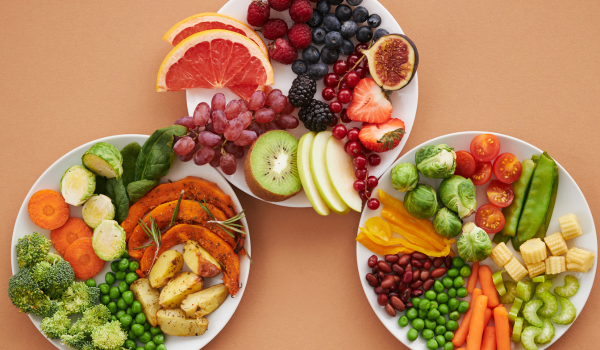
For balanced nutrition, include a variety of fiber-rich foods such as fruits, vegetables, whole grains, legumes, nuts, and seeds. Gradual increases and sufficient hydration can help you enjoy the full benefits of fiber without discomfort.









.png)
.png)
.png)
.png)

.png)
.png)
.png)
.png)
.png)
.png)
.png)
.png)
.png)
.png)



.png)
.png)
.png)
.png)
.png)
.png)
.png)