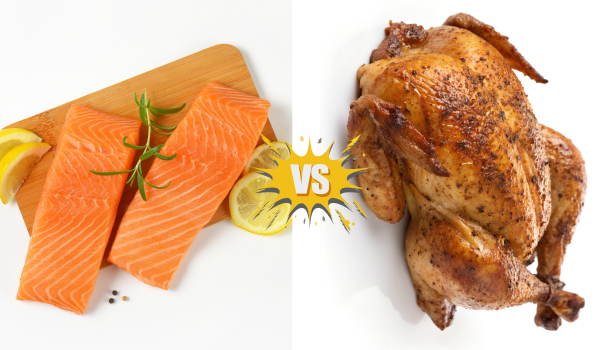
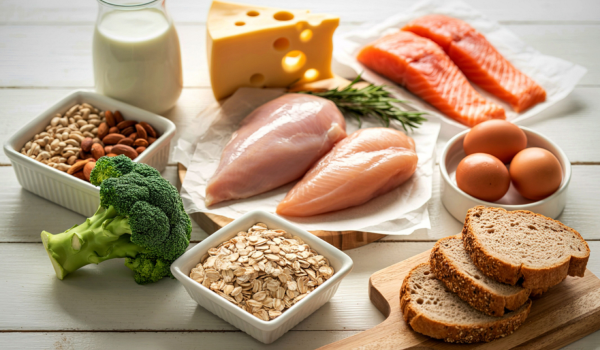
Salmon and chicken are both popular sources of lean protein that support muscle health and overall nutrition. While both can fit into a heart-healthy diet, they differ in fat composition, vitamins, and minerals that influence cardiovascular health in different ways.
Salmon Provides More Heart-Healthy Fats
Salmon is one of the richest food sources of omega-3 fatty acids, especially EPA and DHA. These fats support heart health by helping lower triglycerides, reducing inflammation, and improving blood vessel function. Omega-3s are also essential for brain and eye health.
A typical 3-ounce serving of farmed Atlantic salmon provides more than 1 gram of DHA and about half a gram of EPA. Wild-caught salmon contains slightly less omega-3, but it is still an excellent source of healthy fats.
Just one serving of salmon can contribute significantly to daily omega-3 needs. Health organizations recommend eating fatty fish like salmon at least twice per week to support heart and overall health.
Chicken Contains More Protein and Less Fat
Both salmon and chicken are complete proteins, meaning they provide all essential amino acids needed for muscle repair and growth. Chicken breast, in particular, is very high in protein while remaining low in total fat.
A 3.5-ounce portion of skinless, boneless chicken breast provides about 31 grams of protein and less than 4 grams of fat. It also contains very little saturated fat, which is important because high saturated fat intake is associated with higher LDL (“bad”) cholesterol and increased risk of heart disease and stroke.
Dark meat, such as chicken thighs, contains more fat and slightly more saturated fat than chicken breast, so it may be less heart-friendly when eaten frequently.
Salmon, by comparison, provides slightly less protein and more fat per serving. However, most of its fat comes from monounsaturated and polyunsaturated fats, which are considered beneficial for cardiovascular health.
Both Supply Important B Vitamins and Minerals
Salmon and chicken both provide essential B vitamins. Salmon is richer in vitamin B12, which supports nerve function and red blood cell formation. Chicken contains more niacin (vitamin B3) and vitamin B6, which help convert food into energy and support red blood cell production.
Both foods also supply selenium and phosphorus. Selenium supports thyroid function, immune health, and cellular protection. Phosphorus plays a role in maintaining strong bones and teeth, though excessive intake may be problematic for people with kidney disease.
Salmon contains more selenium overall, providing a higher percentage of daily needs compared with chicken.
Salmon Offers More Vitamin D and Antioxidants
Unlike chicken, salmon is a good natural source of vitamin D, a nutrient that supports calcium absorption, bone health, and immune function. Many people are deficient in vitamin D, making salmon a valuable dietary source.
Salmon also contains astaxanthin, a natural antioxidant responsible for its pink color. Astaxanthin may help reduce inflammation and oxidative stress, which are linked to heart disease and aging.
Both salmon and chicken contain choline, a nutrient needed for brain function and fetal development during pregnancy. Salmon provides slightly more choline per serving than chicken breast.
Nutrition Comparison (Per 3.5-Ounce Serving)
Typical values vary by cut and preparation method, but general trends include:
Salmon
-
Calories: moderate
-
Protein: about 22–23 grams
-
Total fat: higher than chicken
-
Omega-3 fats: high
-
Vitamin D: high
-
Vitamin B12: high
-
Selenium: high
Chicken breast
-
Calories: moderate
-
Protein: about 31 grams
-
Total fat: low
-
Saturated fat: low
-
Niacin and vitamin B6: higher
-
Vitamin D: minimal
Chicken thighs
-
Calories: slightly higher
-
Protein: moderate
-
Total fat: higher than breast
-
Saturated fat: higher than breast
Safe Preparation of Chicken and Salmon
Both foods can be grilled, baked, roasted, or pan-seared. They work well in salads, sandwiches, grain bowls, and stir-fries.
Chicken should always be cooked to an internal temperature of at least 165°F to kill harmful bacteria. Raw chicken commonly carries bacteria that can cause food poisoning, so careful handling and hand washing are essential.
Salmon can be eaten raw in dishes like sushi if it has been properly frozen and handled, but there is still some risk of foodborne illness. Cooking salmon to an internal temperature of 145°F helps eliminate parasites and bacteria.
Potential Risks and Allergies
People with fish allergies may need to avoid salmon. Fish allergies can develop later in life and may cause symptoms such as hives, congestion, nausea, or digestive upset.
Chicken allergies are rare but possible. Severe allergic reactions to either food can lead to anaphylaxis, a medical emergency characterized by breathing difficulty, dizziness, and low blood pressure.
Salmon may contain trace amounts of mercury, but levels are generally low compared with larger fish. Eating salmon a few times per week is unlikely to cause mercury toxicity for most people.
Bottom Line
Chicken provides more protein and less fat, making it ideal for those focused on lean muscle and calorie control. Salmon provides fewer grams of protein but offers heart-protective omega-3 fats, vitamin D, and antioxidants that chicken lacks.
For heart health, salmon has a clear advantage because of its omega-3 content. For high-protein, low-fat meals, chicken breast is the better choice. Including both in a balanced diet can provide a wide range of nutrients and health benefits.



.png)
.png)
.png)
.png)
.png)
.png)
.png)
.png)
.png)
.png)
.png)
.png)
.png)
.png)


.png)
.png)
.png)
.png)
.png)
.png)
.png)
.png)