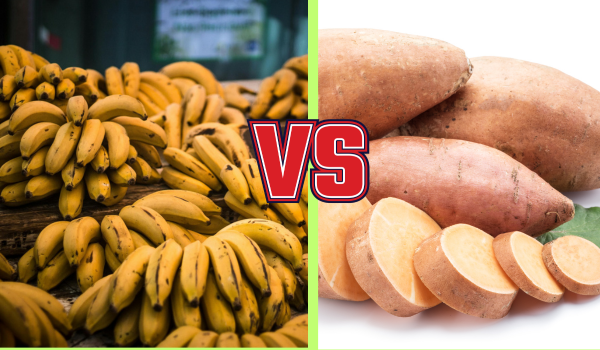
Bananas and sweet potatoes are both nutritious, affordable foods that fit well into a balanced diet. However, differences in fiber, protein, and carbohydrate structure may make sweet potatoes slightly more beneficial for blood sugar control and weight management.
Are Bananas or Sweet Potatoes Better for Weight Loss?
How nutrients affect fullness
Fruits and vegetables are naturally low in calories and fat, which makes both options suitable for weight loss. That said, foods higher in fiber and protein tend to increase satiety, helping you feel full for longer with fewer calories.
Sweet potatoes generally contain slightly more fiber and protein than bananas, which may enhance fullness after meals. While the difference is modest, this combination can support better appetite control over time.
Which Is Better for Stable Blood Sugar?
How carbohydrates behave in the body
Bananas contain more simple sugars, such as glucose and fructose, which are digested quickly and can cause short-term increases in blood sugar. Sweet potatoes, on the other hand, are richer in complex carbohydrates that digest more slowly, helping prevent rapid spikes.
Both foods have a relatively low glycemic index when eaten in appropriate portions. Choosing less ripe bananas and pairing either food with protein or fat can further support steady blood sugar levels.
Resistant Starch and Blood Sugar Benefits
Why preparation matters
Resistant starch is a type of carbohydrate that resists digestion and helps slow glucose absorption. Unripe bananas naturally contain more resistant starch, while sweet potatoes develop it after being cooked and then cooled. Including resistant starch may improve blood sugar control and gut health.
Nutritional Comparison
Key vitamins and minerals
Sweet potatoes provide more potassium than bananas, which supports healthy blood pressure and fluid balance. They are also significantly higher in beta-carotene, which the body converts into vitamin A for eye and immune health.
Bananas contain more folate, a B vitamin important for DNA synthesis and cell function. Both foods contribute vitamin C, though sweet potatoes supply a higher amount per serving.
When to Choose Bananas or Sweet Potatoes
Based on lifestyle needs
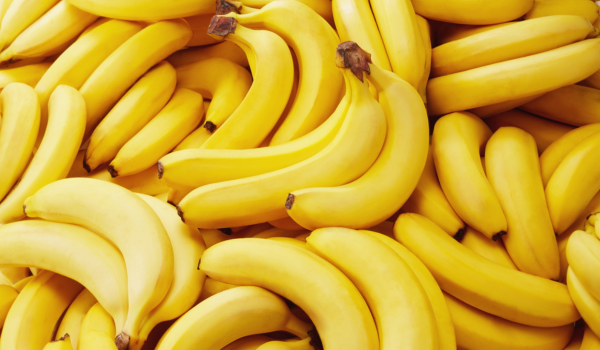
Bananas are ideal for quick snacks due to their portability and natural sweetness. Sweet potatoes work well for meals that require sustained energy, such as lunch or dinner.
For immune support, sweet potatoes stand out because of their high vitamin A and vitamin C content. For post-workout recovery, both foods offer carbohydrates, potassium, and nutrients that help replenish energy stores.
Gut Health and Digestion
Fiber and gut bacteria support
Both bananas and sweet potatoes provide fiber and resistant starch, which move slowly through the digestive tract. These carbohydrates help nourish beneficial gut bacteria and support digestive health, especially when bananas are less ripe and sweet potatoes are cooked and cooled.
Incorporating Bananas and Sweet Potatoes Into Your Diet
Simple ways to eat more
Bananas can be added to oatmeal, yogurt, or smoothies for natural sweetness. Sweet potatoes can replace refined grains as a base for meals, be roasted as a side dish, or added to salads. Using both foods regularly can help diversify nutrients while supporting blood sugar balance and weight management.


.png)
.png)
.png)
.png)
.png)
.png)
.png)
.png)
.png)
.png)
.png)
.png)
.png)
.png)


.png)
.png)
.png)
.png)
.png)
.png)
.png)
.png)