.png)
The refrigerator is more than just an appliance—it quietly shapes how everyone in a household eats. What you see when you open the fridge often determines what you snack on, how meals come together, and whether eating well feels easy or exhausting. A fridge filled with random leftovers, hidden produce, and mostly ultra-processed foods encourages convenience-based eating. On the other hand, a well-organized, intentional fridge creates a culture where better food choices happen naturally.
A healthy “fridge culture” is not about strict rules, expensive foods, or perfect aesthetics. It is about visibility, accessibility, and habits that make nourishing choices the default. When your fridge works with you instead of against you, healthy eating becomes less about willpower and more about environment.
Understand What “Fridge Culture” Really Means
It Shapes Daily Decisions Without Effort
Most food decisions are not made consciously. People tend to grab what is easiest to see and reach. A fridge culture reflects what your household values and makes those values practical.
It Influences Everyone In The Home
Children, partners, roommates, and guests all respond to what is available. When nutritious options are visible and ready, they get eaten more often—without arguments or pressure.
It Reduces Decision Fatigue
When ingredients are organized and predictable, meal planning and snacking become simpler. Fewer last-minute choices mean less stress and fewer impulse decisions.
Start With Visibility: Put Healthy Foods Front And Center
Eye-Level Placement Matters
What sits at eye level gets eaten first. Place:
-
Cut fruit
-
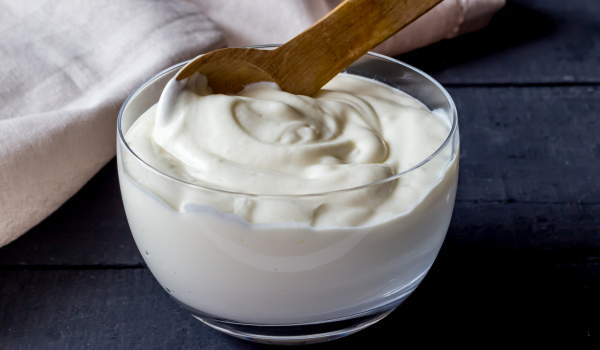
Yogurt
-
Ready-to-eat vegetables
-
Leftover meals you want used
on the middle shelves where they are immediately visible.
Use Clear Containers Whenever Possible
Opaque containers hide food. Clear containers showcase it. When people see colorful fruits, grains, or prepped meals, they are far more likely to eat them.
Move Less-Nourishing Foods Out Of Sight
This does not mean banning them. Store desserts, sugary drinks, or treats on higher or lower shelves so they are intentional choices rather than automatic grabs.
Make Healthy Foods Easy To Eat, Not Just Available
Wash And Prep Produce Right Away
Whole vegetables left unwashed are far less likely to be eaten. When produce is already rinsed, cut, or portioned, it becomes snack-ready.
Create “Grab-And-Go” Zones
Dedicate a section of the fridge for quick items:
-
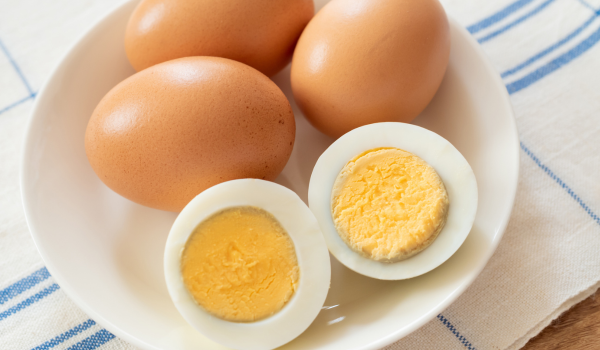
Boiled eggs
-
Cheese sticks
-
Hummus
-
Cut vegetables
-
Fruit cups
This reduces reliance on packaged snacks.
Store Leftovers As Ready Meals
Instead of storing food in large containers that require reheating decisions, portion leftovers into individual servings. This turns leftovers into an obvious meal option.
Build A Balanced Fridge Foundation
Protein Anchors
A healthy fridge always includes simple protein sources:
-
Eggs
-
Yogurt
-
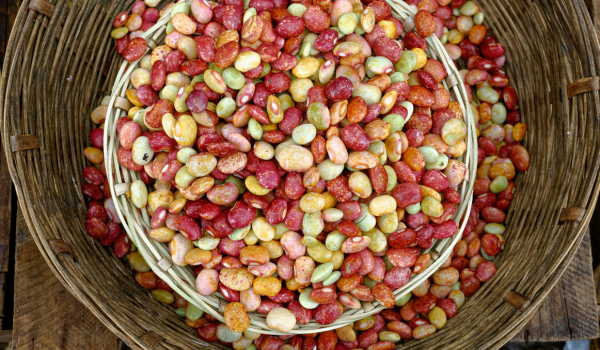
Beans
-
Tofu
-
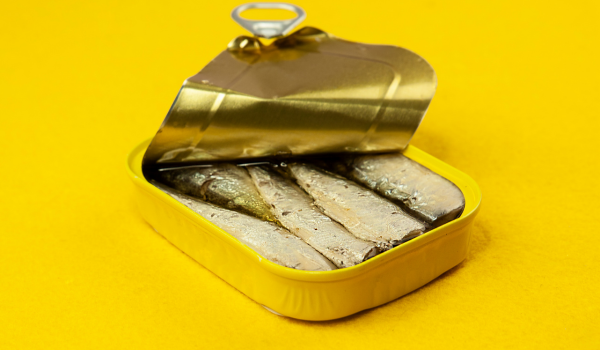
Lean meats or fish
-
Leftover cooked protein
Protein increases satiety and stabilizes energy throughout the day.
Produce As A Daily Constant
Aim to always have:
-
Leafy greens
-
One or two raw vegetables
-
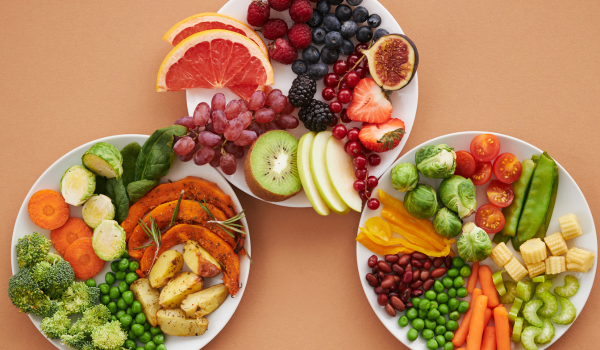
Fresh or frozen fruit
Variety matters less than consistency.
Smart Carbohydrate Choices
Include ready-to-use carbs such as:
-
Cooked rice or quinoa
-
Potatoes
-
Whole-grain wraps
-
Oats
These allow meals to come together quickly.
Design The Fridge To Match Real Life, Not Ideals
Plan For Busy Days
If your household eats late or has unpredictable schedules, convenience foods should support—not replace—nutrition. Keep:
-
Pre-cut vegetables
-
Pre-cooked grains
-
Store-bought but nutritious sauces
These prevent last-minute takeout.
Accept That Not Everything Will Be Homemade
A healthy fridge can include:
-
Store-bought soup
-
Rotisserie chicken
-
Pre-made salads
The goal is balance, not perfection.
Adjust For Your Household’s Habits
A family with kids may need more snacks. Athletes may need higher-calorie options. Seniors may need easy-to-chew foods. Fridge culture should reflect who lives there.
Use The Fridge To Encourage Better Snacking Habits
Snack Visibility Drives Snack Choice
If the first thing someone sees is fruit or yogurt, they are more likely to eat it. If soda or sweets dominate the view, those become the default.
Pair Snacks For Balance
Organize snacks in pairs:
-
Fruit + protein
-
Veggies + dip
-
Crackers + cheese
This encourages stable energy rather than sugar spikes.
Avoid “Food Chaos” Shelves
Messy shelves create avoidance and forgotten food. A tidy fridge invites use.
Involve The Household To Strengthen Fridge Culture
Let Everyone Have Input
Ask family members what healthy foods they actually enjoy. A fridge full of foods nobody likes is not a healthy fridge—it is wasted space.
Create Shared Expectations, Not Rules
Examples:
-
We always keep fruit available
-
Leftovers get eaten before ordering takeout
-
Water is always stocked
Shared norms are more effective than control.
Teach Kids By Environment, Not Lectures
When kids grow up seeing vegetables, yogurt, and leftovers as normal fridge items, they internalize those habits naturally.
Maintain Fridge Culture With Simple Weekly Habits
Do A Quick Reset Once A Week
Five minutes is enough to:
-
Toss expired items
-
Move leftovers forward
-
Wipe spills
-
Reorganize eye-level items
Consistency matters more than deep cleaning.
Plan With The Fridge In Mind
Before grocery shopping, look at what is already inside. Build meals around what needs to be used.
Rotate Foods To Prevent Boredom
Switch fruits, vegetables, or proteins weekly so healthy choices stay appealing.
Avoid Common Fridge Culture Mistakes
Overstuffing The Fridge
When everything is packed tightly, nothing gets seen. Leave breathing room so food remains visible.
Buying Aspirational Foods
If a food requires time or effort you rarely have, it will sit untouched. Choose foods that fit your actual routine.
Using The Fridge As Storage, Not A Tool
A healthy fridge is active. Food should move in and out regularly.
Long-Term Benefits Of A Healthy Fridge Culture
Healthier Eating Without Willpower
The environment does the work for you.
Less Food Waste
Visible food gets eaten.
Lower Stress Around Meals
Decisions become simpler.
Better Habits For Everyone In The Home
Fridge culture quietly teaches consistency.
Conclusion
A healthy “fridge culture” is one of the most powerful yet overlooked tools for improving everyday eating habits. By prioritizing visibility, accessibility, and realistic food choices, your refrigerator becomes a system that supports better decisions instead of fighting them. You do not need a perfect fridge or strict rules—only intentional organization and foods that fit real life.
When healthy options are easy to see and easy to eat, they become the natural choice. Over time, this quiet shift builds consistency, reduces stress, and supports long-term well-being for everyone in the household.
Explore more everyday nutrition strategies on Health365s.com to continue building habits that actually last.

.png)



.png)
.png)
.png)
.png)
.png)
.png)
.png)
.png)
.png)
.png)
.png)
.png)
.png)
.png)

.png)
.png)
.png)
.png)