
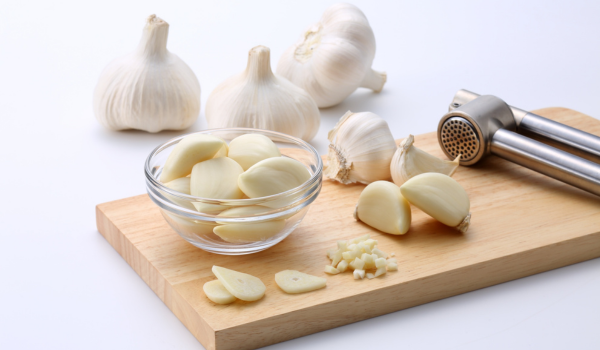
Raw garlic is more than a bold kitchen staple. When eaten fresh, it delivers powerful plant compounds that may support heart health, immunity, digestion, blood sugar control, and even bone strength. Many of these benefits are linked to allicin and other sulfur-containing compounds that form when garlic is crushed or chopped.
Here’s what raw garlic may do inside your body.
Supports Heart And Artery Health
Raw garlic may protect your cardiovascular system in several ways.
Lowers Blood Pressure
Research shows garlic supplements can reduce blood pressure in adults with hypertension. This effect is largely attributed to allicin, which helps relax blood vessels and may reduce the activity of angiotensin, a hormone that increases blood pressure. Lower blood pressure reduces the risk of heart disease and stroke.
Improves Cholesterol Levels
Some studies suggest garlic may help lower total cholesterol and LDL (“bad”) cholesterol. High LDL cholesterol is a major risk factor for heart disease and heart attack. While findings are promising, researchers note that more large-scale studies are needed.
Helps Prevent Blood Clots
Garlic has natural antiplatelet properties, meaning it may reduce the tendency of blood cells to clump together. This may help lower the risk of dangerous blood clots, though it also means people on blood thinners should be cautious.
Boosts Immune Function
Garlic contains sulfur compounds with anti-inflammatory and antiviral properties. Research suggests people who take garlic supplements during cold and flu season may experience fewer and less severe symptoms.
These compounds may help:
-
Reduce inflammation during infection
-
Support white blood cell function
-
Interfere with viruses entering cells
While garlic may not prevent illness entirely, it may strengthen your body’s natural defense response.
Provides Antioxidant Protection
Garlic contains antioxidants, including S-allyl-l-cysteine (SAC), which help neutralize free radicals. Excess free radicals cause oxidative stress, which is linked to aging, cognitive decline, cancer, and chronic disease.
Preliminary research suggests garlic’s antioxidants may:
-
Protect brain cells from inflammation
-
Support cognitive health
-
Potentially lower the risk of neurodegenerative diseases
Though more research is needed, garlic’s antioxidant profile makes it a valuable addition to a health-supportive diet.
Supports Digestive Health
Raw garlic acts as a natural prebiotic. It contains fructans and fibers that pass undigested into the intestines, where they feed beneficial gut bacteria such as bifidobacteria and lactobacilli.
A healthy gut microbiota helps:
-
Improve digestion and nutrient absorption
-
Break down complex carbohydrates and fats
-
Support immune function
However, some people with sensitive digestive systems may experience bloating or discomfort from garlic’s fermentable carbohydrates.
May Help Regulate Blood Sugar
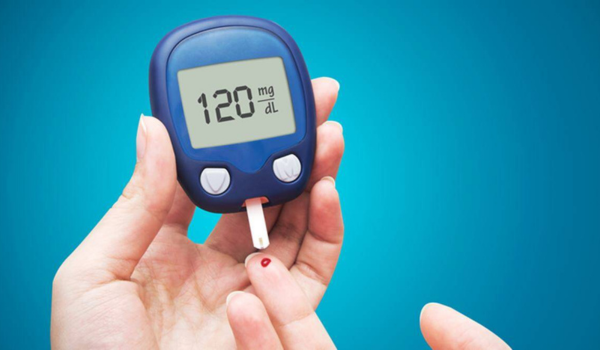
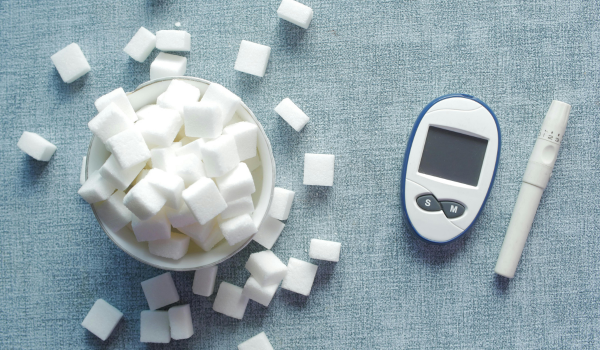
Some studies indicate garlic supplementation may help reduce fasting blood glucose and HbA1c levels in people with diabetes.
Researchers believe garlic’s organosulfur compounds may stimulate insulin activity, which helps regulate blood sugar levels. While garlic should not replace medical treatment, it may serve as a supportive dietary addition under professional guidance.
May Support Bone And Joint Health
Garlic’s antioxidant and anti-inflammatory effects may benefit bone and joint health. Some research suggests garlic supplements may reduce markers of oxidative stress associated with osteoporosis.
In addition, small studies indicate garlic may reduce inflammation linked to osteoarthritis, potentially lowering joint pain in certain populations.
How To Get The Most Benefits From Raw Garlic
Raw garlic contains more active compounds than cooked garlic. To maximize benefits:
Crush Or Chop And Rest
After chopping or crushing one to two cloves, let them sit for about 10 minutes before eating. This allows allicin to fully form.
Pair With Food
Eating garlic on an empty stomach may irritate the digestive tract. Mix it into dips, dressings, or meals to reduce stomach discomfort.
Potential Risks And Considerations
While raw garlic is safe for most people, there are some precautions:
-
May cause heartburn or worsen GERD
-
Can irritate the stomach if eaten alone
-
May increase bleeding risk, especially when combined with blood-thinning medications
If you take anticoagulants or have digestive conditions, consult a healthcare provider before increasing garlic intake.
A Quick Review
Eating raw garlic may support heart health, boost immunity, improve digestion, regulate blood sugar, and provide antioxidant protection. Crushing it before eating enhances its beneficial compounds.
Although it offers impressive potential benefits, raw garlic should be consumed in moderation and with attention to possible side effects.


.png)











.png)
.png)
.png)
.png)

.png)
.png)
.png)
.png)
.png)
.png)
.png)
.png)
.png)
.png)



.png)
.png)
.png)
.png)

