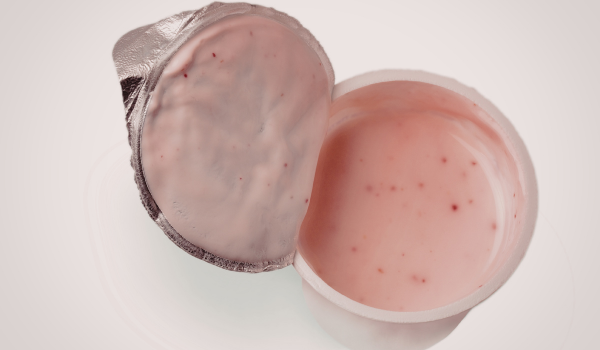
You peel back the lid of your yogurt expecting a smooth, creamy texture—but instead, you see a thin watery layer sitting on top. Should you dump it out? Stir it in? Or worry that the yogurt has gone bad?
Here’s what that liquid really is—and what nutrition experts recommend.
What Is the Liquid on Top of Yogurt?
That watery layer is whey.
Milk naturally contains two primary proteins: whey and casein. When milk is fermented to make yogurt, casein proteins thicken and form the creamy structure you recognize. Whey, on the other hand, remains in liquid form.
Over time, this liquid separates and rises to the surface because it is less dense than the thicker yogurt underneath. This process is completely normal and similar to the oil that separates in natural peanut butter.
Seeing liquid on top does not mean your yogurt has spoiled.
Should You Pour It Out or Stir It In?
It’s best to stir it back in.
Whey is a high-quality, complete protein, meaning it contains all nine essential amino acids your body cannot produce on its own. It also provides:
-
Calcium
-
B vitamins
-
Probiotics
-
Easily digestible protein
Whey protein is often praised for being highly absorbable and supportive of muscle repair and satiety. Pouring it out removes part of the yogurt’s nutritional value.
Mixing the liquid back into the yogurt restores its creamy consistency while preserving its full nutrient profile.
Does This Happen With All Yogurt?
Liquid separation can occur in nearly all types of yogurt, though the amount varies.
Greek yogurt is strained to remove much of its whey, so it typically shows less separation. Traditional yogurt, which retains more whey, often has more visible liquid.
Plant-based yogurts made from almond, coconut, or soy milk may also separate. In those cases, the liquid is usually water rather than whey, but it is still safe to stir back in.
When Is Yogurt Actually Spoiled?
While separation is normal, certain signs indicate spoilage.
Watch for:
-
A strong, rancid odor
-
Unusual colors such as pink, green, or yellow
-
Visible mold growth
-
Excessive curdling or sliminess
-
An extremely sour taste beyond normal tanginess
-
A bloated container
If mold appears, discard the entire container rather than scooping out the affected area. Also check the best-by date and storage conditions.
The Bottom Line
That watery layer on top of yogurt is whey—a nutritious, protein-rich component of milk that naturally separates over time. It’s safe, healthy, and beneficial to stir back in.
Instead of pouring it out, mix it in and enjoy the full nutritional benefits your yogurt has to offer.










.png)
.png)
.png)
.png)


.png)
.png)
.png)
.png)
.png)
.png)
.png)
.png)
.png)
.png)




.png)
.png)
.png)
.png)
.png)
.png)
.png)