.png)
Weather affects more than clothing choices and daily plans—it also quietly shapes appetite, food preferences, and portion sizes. Hot days often reduce interest in heavy meals, while cold temperatures increase cravings for warm, energy-dense foods. Seasonal changes influence not only what people eat, but also how often they eat and how much they consume at each meal.
These shifts are not simply habits or cultural trends. The body responds to temperature, sunlight, and activity levels in ways that directly affect hunger hormones, hydration needs, and digestion. Understanding how weather influences eating patterns helps explain why food choices feel different in summer than in winter—and why awareness of these patterns can support more balanced eating year-round.
Why the Body Responds to Weather
Temperature Affects Energy Needs
Cold environments increase energy expenditure as the body works to maintain warmth, while heat reduces appetite to prevent overheating.
Sunlight Influences Hormones
Light exposure affects serotonin and melatonin, which influence mood and hunger.
Activity Levels Change With Weather
People tend to move more in mild weather and less during extreme heat or cold.
How Hot Weather Changes Eating Habits
Appetite Often Decreases
Heat reduces digestive comfort, making large meals less appealing.
Hydration Becomes a Priority
Thirst signals can be mistaken for hunger.
Light and Cold Foods Feel More Appealing
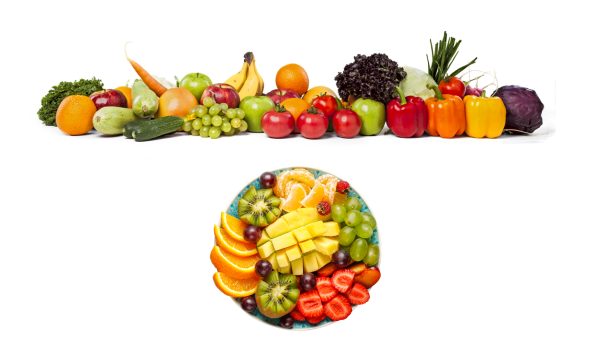
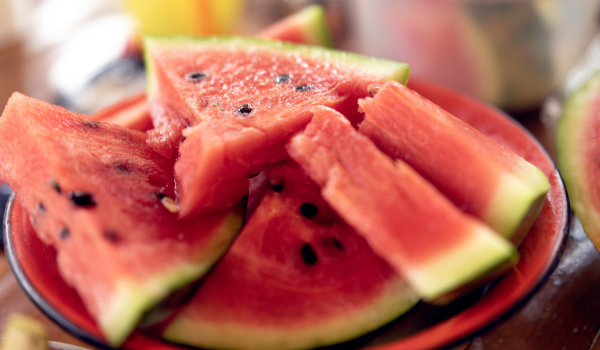
Fruits, salads, and chilled meals become preferred.
Meal Timing Shifts Later
People may eat less during the day and more in the evening.
How Cold Weather Increases Food Intake
Hunger Signals Become Stronger
The body seeks more energy to maintain temperature.
Cravings Shift Toward Warm Foods
Soups, stews, and baked dishes feel comforting and satisfying.
Portions Often Grow Larger
Cold weather encourages heavier meals.
Eating Becomes More Frequent
Snacking increases when time indoors rises.
Seasonal Food Preferences
Summer Favors Fresh and Hydrating Foods
Water-rich fruits and vegetables become common choices.
Winter Favors Dense and Cooked Foods
Starches and fats increase to meet energy needs.
Seasonal Availability Shapes Choices
Local produce affects variety and nutrient intake.
Weather and Hunger Hormones
Leptin and Ghrelin Respond to Temperature
Cold exposure increases hunger signals, heat suppresses them.
Sunlight Regulates Appetite Rhythm
Shorter days can alter meal timing and cravings.
Sleep Changes Affect Hunger
Weather-related sleep shifts influence appetite control.
The Role of Hydration in Weather-Driven Eating
Heat Increases Fluid Loss
Sweating raises water needs.
Dehydration Feels Like Hunger
People may eat when they actually need fluids.
Cold Reduces Thirst Awareness
Water intake often drops during winter.
Weather and Emotional Eating
Rainy or Dark Days Affect Mood
Lower light can reduce motivation and increase comfort eating.
Cold Encourages Cozy Eating
Warm foods become emotional regulators.
Heat Increases Irritability
Impatience may lead to impulsive food choices.
How Weather Affects Eating Speed
Hot Weather Slows Eating
Heavy meals feel uncomfortable.
Cold Weather Encourages Faster Eating
Warm food feels urgent and soothing.
Seasonal Social Events Change Pace
Barbecues and holidays alter portion awareness.
Digestive Effects of Temperature
Heat Slows Digestion
Blood is redirected toward cooling the body.
Cold Stimulates Appetite for Energy
Digestive load increases with heavier meals.
Seasonal Fiber Intake Changes
Fresh produce varies by season.
Weather and Physical Activity Patterns
More Movement in Mild Weather
Appetite often aligns with energy output.
Sedentary Behavior in Extreme Weather
Food intake may not match lower activity levels.
Exercise Timing Affects Hunger
Weather changes workout schedules and meal timing.
Why Portion Sizes Shift With Weather
Cold Promotes Larger Servings
Energy needs feel higher.
Heat Reduces Visual Appeal of Large Plates
Smaller meals feel more manageable.
Holiday Seasons Increase Portions
Winter celebrations amplify intake.
How Climate Influences Food Availability
Local Produce Changes by Season
Fresh options vary.
Transported Foods Dominate in Winter
Processed foods increase.
Preservation Methods Affect Nutrition
Frozen and canned foods shape diets.
Signs Weather Is Affecting Your Eating Patterns
-
Eating less during hot days
-
Craving heavier meals in cold weather
-
Increased snacking during rainy periods
-
Drinking less water in winter
-
Eating late at night during summer
These are environmental responses, not personal failures.
Simple Ways to Eat Well in Any Weather
Adjust Portions to Temperature
Smaller meals in heat, balanced portions in cold.
Prioritize Hydration
Drink water consistently year-round.
Choose Seasonal Produce
Supports variety and nutrient intake.
Making Summer Eating More Balanced
Add Protein to Light Meals
Prevents energy dips.
Use Cooling Cooking Methods
Grilling and blending reduce kitchen heat.
Eat Earlier in the Day
Supports stable energy.
Supporting Winter Nutrition
Include Fiber-Rich Foods
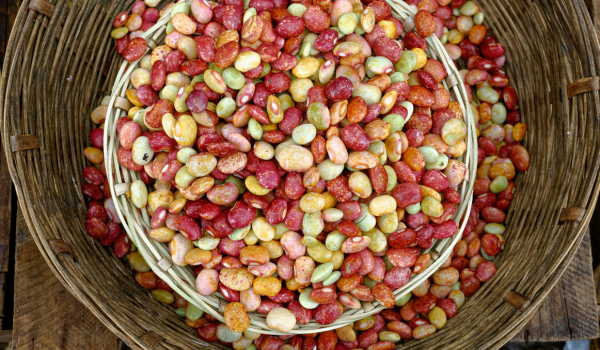
Beans and vegetables improve fullness.
Balance Comfort Foods
Add vegetables to warm dishes.
Maintain Regular Meal Timing
Prevents late-night overeating.
Long-Term Effects of Weather-Based Eating Patterns
Repeated Seasonal Overeating Adds Up
Weight changes occur gradually.
Hydration Habits Shape Digestion
Constipation is more common in winter.
Mood and Energy Fluctuate
Light exposure affects mental state.
Why Awareness Matters More Than Control
Weather Shapes Behavior Automatically
Recognizing patterns builds flexibility.
Rigid Diets Fail Across Seasons
Adaptation supports consistency.
Small Adjustments Work Best
Gradual changes improve habits.
Using Weather as a Guide, Not a Barrier
Listen to Body Signals
Appetite changes reflect real needs.
Match Meals to Environment
Warm foods in cold, hydrating foods in heat.
Plan for Seasonal Challenges
Prepare for extremes in advance.
How to Maintain Balance All Year
Keep Core Foods Consistent
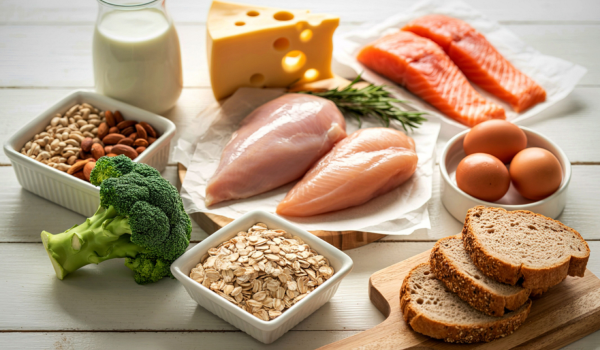
Protein, vegetables, and grains remain stable.
Adapt Cooking Methods by Season
Soups in winter, salads in summer.
Monitor Hydration and Energy
Adjust intake based on activity and climate.
Conclusion
Weather influences what and how much people eat by shaping hunger, hydration, mood, and activity levels. Hot temperatures suppress appetite and increase fluid needs, while cold conditions raise cravings for warm, energy-dense foods. These responses are natural and rooted in the body’s need to adapt to environmental stress.
Eating well across seasons does not require ignoring weather cues. By adjusting portion sizes, staying hydrated, and choosing foods that match the climate while maintaining overall balance, people can support consistent energy and comfort throughout the year. Explore more practical nutrition insights on Health365s.com to build eating habits that work in every season.










.png)
.png)
.png)
.png)

.png)
.png)
.png)
.png)
.png)
.png)
.png)
.png)
.png)
.png)



.png)
.png)
.png)
.png)
.png)
.png)
.png)
.png)