
.png)
Long gaps between meals are common in modern life. Busy schedules, skipped breakfasts, back-to-back meetings, long commutes, or intentional meal skipping can easily lead to many hours without food. While the body is capable of adapting to short-term changes, consistently long gaps between meals can trigger a series of physical and mental responses that affect energy, digestion, and overall balance.
Understanding how the body reacts to extended periods without food helps explain why some people feel shaky, irritable, foggy, or overly hungry later in the day. These responses are not signs of weakness—they are natural physiological reactions designed to protect the body and maintain survival.
The Body’s Initial Response To Missing Fuel
Blood Sugar Begins To Drop
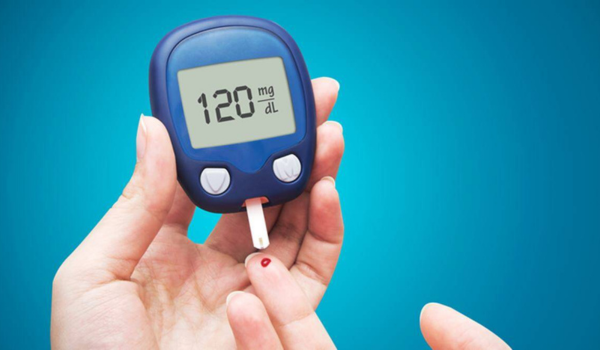
After a meal, blood sugar rises and gradually falls as energy is used. When there is a long gap between meals, blood sugar may drop lower than optimal, triggering fatigue, dizziness, or difficulty concentrating.
The Body Switches To Energy Conservation Mode
When fuel is not coming in regularly, the body starts conserving energy. This can result in reduced physical stamina, slower thinking, and a desire to rest rather than stay active.
Hunger Hormones Increase
Ghrelin, the hormone that signals hunger, increases as time without food lengthens. This hormone does not rise gently—it often spikes, leading to intense hunger that feels urgent rather than manageable.
How Long Gaps Affect Energy And Focus
Mental Clarity Declines
The brain relies heavily on glucose for fuel. Extended gaps between meals can reduce available glucose, leading to brain fog, slower reaction time, and impaired decision-making.
Energy Crashes Become More Likely
Rather than steady energy throughout the day, long gaps often create a cycle of low energy followed by sudden overeating for quick relief.
Increased Reliance On Stimulants
When energy drops, people may reach for caffeine or sugary snacks to compensate, which can further disrupt natural energy rhythms.
The Stress Response To Prolonged Hunger
Cortisol Levels May Rise
When the body perceives prolonged fuel scarcity, stress hormones such as cortisol can increase. This response helps mobilize energy reserves but can also increase anxiety and irritability.
The Body Prioritizes Survival Over Comfort
Digestion, mood regulation, and fine motor skills may take a back seat as the body focuses on maintaining essential functions.
Repeated Stress Responses Can Disrupt Balance
Frequent long gaps between meals can keep the body in a semi-stressed state, making it harder to relax or feel balanced.
Digestive Effects Of Long Meal Gaps
Digestion May Slow Down
Extended fasting periods can disrupt digestive rhythm. When eating resumes, digestion may feel heavier or less comfortable.
Bloating And Discomfort After Large Meals
Long gaps often lead to overeating later. Large meals after prolonged hunger can overwhelm digestion, causing bloating or heaviness.
Irregular Eating Can Affect Gut Comfort
The digestive system functions best with some predictability. Irregular patterns may increase discomfort over time.
How Long Gaps Influence Eating Behavior
Overeating Becomes More Likely
When hunger becomes extreme, the body prioritizes quick energy. This often leads to eating faster, larger portions, and less balanced meals.
Cravings Intensify
Extended hunger increases cravings for high-sugar or high-fat foods because they provide rapid energy.
Disconnection From Fullness Signals
Eating after long gaps may bypass natural fullness cues, making it harder to stop eating when satisfied.
Emotional And Mood Changes Linked To Long Gaps
Irritability And Low Mood
Low blood sugar and increased stress hormones can contribute to mood swings and frustration.
Reduced Emotional Regulation
Hunger can amplify emotional responses, making stress feel more intense.
Emotional Eating Patterns May Increase
When physical hunger is extreme, emotional eating behaviors may become more frequent.
When Long Gaps May Feel More Challenging
Highly Active Days
Physical activity increases energy needs, making long gaps harder to tolerate.
High-Stress Periods
Stress increases energy demand, making regular nourishment more important.
Poor Sleep
Sleep deprivation reduces the body’s ability to tolerate hunger and energy fluctuations.
Sensitive Digestion Or Blood Sugar
Some people are naturally more sensitive to long gaps due to individual physiology.
Signs Long Gaps Between Meals Are Affecting You
-
Shakiness or dizziness
-
Sudden fatigue or headaches
-
Irritability or anxiety
-
Difficulty concentrating
-
Overeating later in the day
-
Strong cravings for sugar or refined foods
These are common signals that the body needs more consistent fuel.
How To Support Your Body Without Rigid Meal Schedules
Eat Before Hunger Becomes Extreme
Eating earlier prevents intense hunger and supports balance.
Use Balanced Snacks When Needed
Snacks that include protein, fiber, and carbohydrates can bridge gaps effectively.
Focus On Consistency Over Perfection
Regular nourishment matters more than exact timing.
Listen To Energy And Comfort Signals
Energy dips and discomfort often signal a need for food rather than discipline.
Long-Term Effects Of Regularly Skipping Meals
Increased Eating Stress
Food decisions become reactive rather than intentional.
Unstable Energy Patterns
Energy highs and lows become more pronounced.
Digestive Irregularity
Inconsistent eating can disrupt digestive comfort.
Strained Relationship With Food
Hunger may feel chaotic or unpredictable rather than manageable.
Why Some People Tolerate Long Gaps Better Than Others
Individual Metabolism And Lifestyle Matter
Genetics, activity level, and daily routines influence how well someone tolerates long gaps.
Adaptation Varies Widely
Bodies adapt differently based on habits and history.
Tolerance Can Change Over Time
Life stress, age, or health changes can alter hunger tolerance.
Conclusion
Long gaps between meals trigger a series of natural responses designed to protect the body, but when they happen frequently, they can disrupt energy, digestion, mood, and eating behavior. These effects are not personal failures—they are biological signals asking for more consistent nourishment.
By understanding how the body responds to extended periods without food, you can make more supportive choices that prioritize balance over rigid rules. Regular nourishment helps the body stay steady, comfortable, and resilient throughout the day.
Explore more practical nutrition insights on Health365s.com to continue building eating habits that support real-life energy and well-being.


.png)
















.png)
.png)
.png)
.png)


.png)
.png)
.png)
.png)
.png)
.png)
.png)
.png)
.png)
.png)




.png)
.png)
.png)
.png)

