
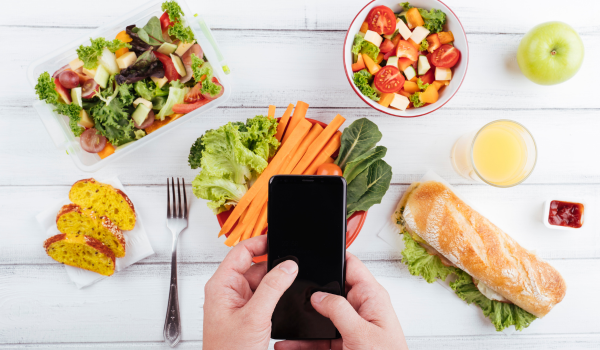
How technology changed mealtime is not only about faster cooking or online food delivery. It has reshaped when people eat, how they choose food, and what mealtime means in daily life. Screens, apps, and digital schedules now influence hunger awareness, social connection, and even how long people spend eating. These changes did not happen overnight, but they now affect almost every meal.
Mealtime once revolved around shared routines and physical presence. Today, it is often shaped by notifications, work demands, and digital convenience. Understanding how technology has transformed eating habits helps explain why meals feel different now and how small choices can restore balance in a tech-driven world.
Work Schedules Became Digitally Driven
Email, messaging platforms, and remote work blurred traditional lunch hours. People eat when meetings allow rather than when hunger appears.
Notifications Replace Body Signals
Instead of responding to hunger, many people eat when reminders, breaks, or screen fatigue occur.
Irregular Patterns Became Normal
Late-night screen use delays sleep and shifts breakfast and lunch times the next day.
Technology did not remove hunger, but it changed which signals people listen to first. Digital structure often overrides biological rhythm, making eating more reactive than intuitive.
How Screens Alter Eating Awareness
Distraction Reduces Sensory Experience
Phones and televisions pull attention away from taste, smell, and texture.
Speed Increases Without Noticing
People eat faster when focused on screens, limiting fullness feedback.
Portion Awareness Declines
Visual cues from packaging and plates matter less than what is happening on the screen.
When attention is divided, the brain registers fewer satisfaction signals. This makes meals feel less fulfilling even when enough food is eaten.
How Food Apps Changed Choice Behavior
Convenience Replaced Planning
Delivery apps allow instant decisions instead of preparation.
Menus Expand Beyond Local Options
Technology exposes people to more cuisines but also more calorie-dense foods.
Visual Marketing Drives Selection
Photos influence cravings more than hunger.
Apps reduce effort but also reduce intention. Food becomes something selected by scrolling rather than by body need.
How Technology Influenced Portion Norms
Restaurant Portions Became the Default
Delivery meals often mirror large serving sizes.
Packaging Sets Expectations
Single containers replace shared dishes.
Finishing Becomes Automatic
People eat until the box is empty rather than until satisfied.
Portion perception now depends more on packaging than on internal cues.
How Social Media Changed Mealtime Meaning
Food Became Visual Content
Meals are photographed before being eaten.
Trends Influence Preferences
People seek foods seen online rather than foods that fit their needs.
Comparison Shapes Perception
What others eat online sets unrealistic standards.
Food shifted from nourishment to performance, changing how people relate to eating.
How Technology Affected Family Meals
Individual Screens Replace Shared Tables
Each person eats with their device.
Schedules Rarely Align
Digital obligations fragment mealtime.
Conversation Declines During Eating
Focus shifts away from social interaction.
Mealtime becomes solitary even in shared spaces.
How Digital Convenience Changed Cooking Habits
Less Cooking Means Less Skill Practice
Dependence on prepared food increases.
Meal Kits Partially Replace Knowledge
Recipes arrive pre-measured.
Creativity Declines Over Time
Repetition replaces exploration.
Technology simplified cooking but weakened confidence in independent food preparation.
How Online Grocery Shopping Reshaped Food Access
Impulse Purchases Increase
Suggested items influence carts.
Fresh Food Selection Declines
People avoid choosing produce digitally.
Planning Becomes Automated
Lists replace sensory choice.
Food is chosen by algorithms rather than by smell or touch.
How Technology Affected Hunger and Fullness Cues
Clock-Based Eating Dominates
Reminders replace hunger signals.
Notifications Trigger Eating
Break alerts replace stomach cues.
Satiety Feedback Is Ignored
Screens delay awareness of fullness.
The brain learns to eat when told, not when needed.
How Technology Changed Emotional Eating
Stress Increases With Connectivity
Constant messages raise cortisol.
Food Becomes Quick Relief
Delivery replaces coping skills.
Nighttime Snacking Increases
Screen use delays bedtime and increases grazing.
Emotional eating becomes easier when food is only a tap away.
How Fitness Tech Influenced Eating Behavior
Tracking Creates Awareness
Some people notice intake patterns.
Numbers Replace Sensation
Calories replace hunger.
Over-Control Can Develop
Rigid tracking weakens trust.
Technology can support awareness but may reduce intuitive eating.
How Streaming Services Changed Mealtime Length
Meals Extend Without Boundaries
Episodes replace natural stopping points.
Continuous Snacking Increases
Food accompanies long viewing sessions.
Evening Eating Becomes Habitual
Entertainment anchors eating.
Mealtime merges with entertainment, blurring purpose.
How Technology Altered Cultural Eating Norms
Traditional Schedules Fade
Local food rhythms decline.
Global Trends Replace Regional Habits
Food identity becomes digital.
Eating Becomes Individualized
Shared norms weaken.
Culture now flows through screens rather than kitchens.
How Technology Changed Children’s Food Learning
Screens Replace Role Modeling
Kids learn from videos instead of parents.
Advertising Shapes Preferences Early
Digital marketing targets young users.
Taste Exposure Narrows
Packaged foods dominate.
Learning to eat becomes passive rather than social.
How Workplace Technology Reshaped Lunch
Desk Eating Becomes Normal
Screens replace breaks.
Meetings Replace Meals
Eating becomes secondary.
Energy Crashes Increase
Fuel timing becomes irregular.
Lunch becomes functional rather than restorative.
How Technology Changed Food Memory
Meals Feel Less Distinct
Screens erase attention.
Pleasure Decreases
Memory links weaken.
Eating Becomes Background Activity
Food loses emotional presence.
Memory requires attention, and attention is fragmented.
How Technology Influences Food Satisfaction
Expectation Exceeds Experience
Images create unrealistic standards.
Taste Feels Less Rewarding
Distraction lowers pleasure.
Quantity Replaces Quality
More food is used to compensate.
Satisfaction shifts from sensory to volume-based.
Signs Technology Is Driving Your Mealtime
-
Eating while scrolling
-
Ordering without hunger
-
Skipping meals for screens
-
Nighttime snacking
-
Eating from containers
-
Reduced enjoyment
These are environmental effects, not personal failure.
Using Technology to Support Healthier Mealtime
Set Screen-Free Eating Windows
Protect awareness.
Use Reminders for Meals
Support regular timing.
Choose Delivery Mindfully
Read menus with intention.
Technology can serve rather than control eating.
Restoring Balance in a Digital Food World
Create Tech Boundaries
Eat without screens sometimes.
Rebuild Routine
Use consistent meal anchors.
Return to Sensory Awareness
Taste and texture guide fullness.
Balance comes from blending modern tools with biological needs.
Why Awareness Works Better Than Restriction
Rigid Rules Clash With Reality
Technology is everywhere.
Understanding Builds Flexibility
Choice replaces guilt.
Small Changes Matter
Attention restores satisfaction.
Sustainable eating adapts to modern life.
Long-Term Effects of Technology-Driven Eating
Weakened Body Trust
External cues dominate.
Lower Meal Enjoyment
Distraction persists.
Higher Food Reactivity
Stress-driven choices increase.
Reduced Social Connection
Shared meals decline.
These effects are reversible with intentional habits.
How Technology Can Enhance Mealtime
Recipe Access Expands Options
Learning becomes easier.
Scheduling Tools Protect Breaks
Structure improves consistency.
Education Improves Food Literacy
Knowledge increases.
Technology is neutral; use defines impact.
Conclusion
Technology has changed mealtime by shifting attention from the body to screens, from routine to flexibility, and from shared experience to individual convenience. Notifications, apps, and digital work schedules now shape when and how people eat more than hunger itself. These changes affect awareness, satisfaction, and emotional connection to food.
Healthy eating in a digital world does not require rejecting technology. It requires using it with intention. By restoring attention to meals, protecting eating time, and choosing food based on need rather than impulse, people can create balance between modern tools and biological rhythms. Explore more practical nutrition insights on Health365s.com to learn how everyday habits shape long-term well-being.



















.png)
.png)
.png)
.png)


.png)
.png)
.png)
.png)
.png)
.png)
.png)
.png)
.png)
.png)




.png)
.png)
.png)
.png)
.png)
.png)
.png)
.png)

