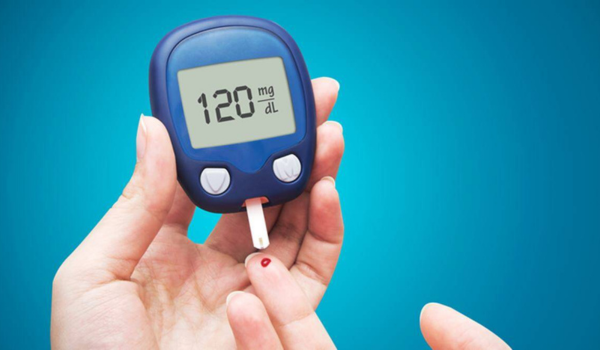
For many people, healthy eating has become tangled with numbers—calories, macros, grams, points, or apps that require constant logging. While tracking may work for some in the short term, it often creates stress, obsession, or burnout. The good news is that building healthy eating habits does not require tracking anything at all.
Long-term health is shaped by daily patterns, not spreadsheets. When you focus on awareness, consistency, and simple behaviors, your body naturally moves toward balance. This approach supports both physical health and a healthier relationship with food—without counting, measuring, or monitoring every bite.
Why Tracking Is Not Required For Healthy Eating
The Body Already Has Feedback Systems
Hunger, fullness, energy, digestion, and mood provide real-time information. These signals are more adaptive than any app.
Tracking Often Shifts Focus Away From How You Feel
When attention is fixed on numbers, people may ignore physical cues, eating because the app says so rather than because the body needs fuel.
Consistency Matters More Than Precision
Healthy habits are built from repeatable actions, not perfect data. Small, consistent choices have greater impact than exact tracking.
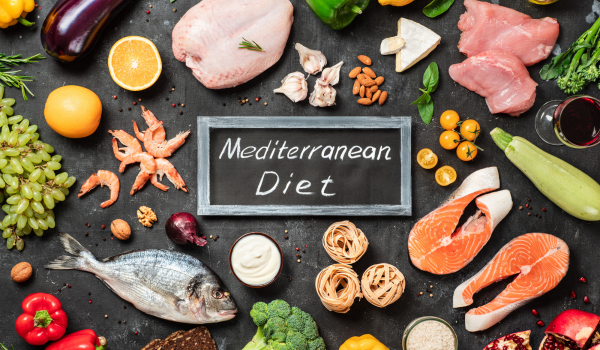
Many Cultures Eat Well Without Tracking
Traditional eating patterns around the world support health without measurements, showing that awareness and routine are enough.
Focus On Patterns Instead Of Numbers
Zoom Out To The Bigger Picture
Instead of analyzing individual meals, look at your eating habits across days or weeks. Balance happens over time, not meal by meal.
Notice Repetition, Not Perfection
Ask simple questions:
-
Do I eat vegetables most days?
-
Do I eat regularly?
-
Do I include protein often?
-
Do I feel energized most of the time?
These questions guide behavior without tracking.
Let Trends Guide Adjustments
If energy is low or digestion feels off consistently, small changes can be made without logging anything.
Eat Regularly To Support Natural Balance
Regular Meals Reduce Overthinking
Eating consistently helps regulate hunger and fullness cues, making food decisions easier and more intuitive.
Skipping Meals Disrupts Body Signals
Long gaps often lead to overeating later and reduced awareness.
Structure Without Rigidity Works Best
Aim for regular meals with flexibility rather than strict schedules.
Build Meals Using Visual And Practical Cues
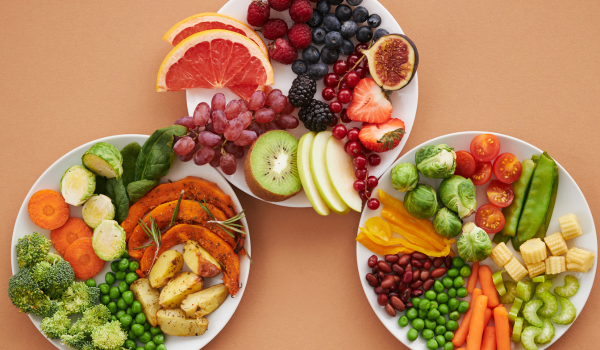
Use Plate Balance As A Guide
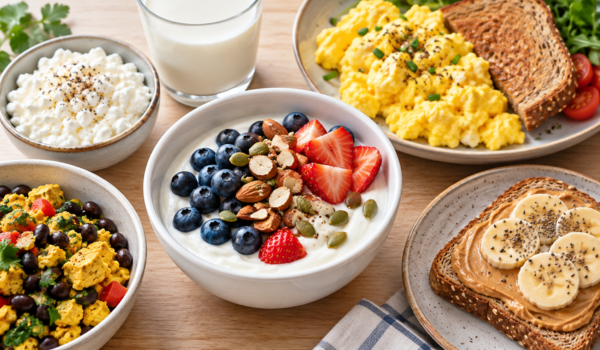
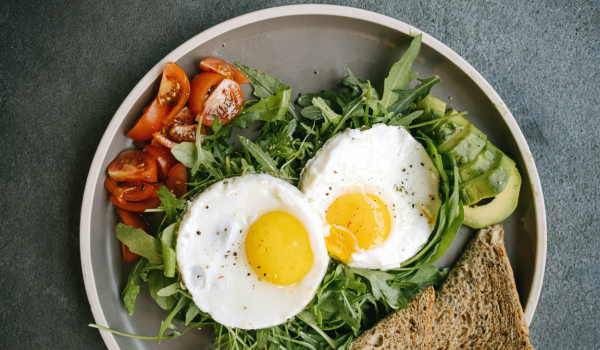
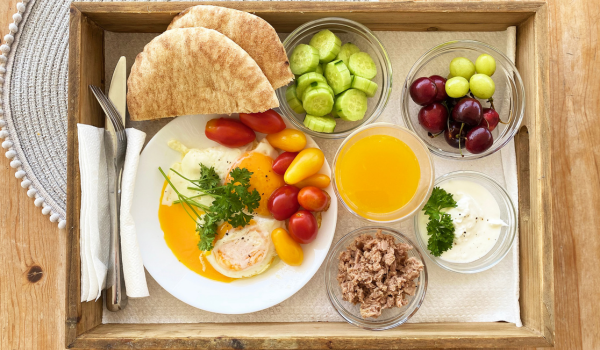
A simple visual approach:
-
Some protein
-
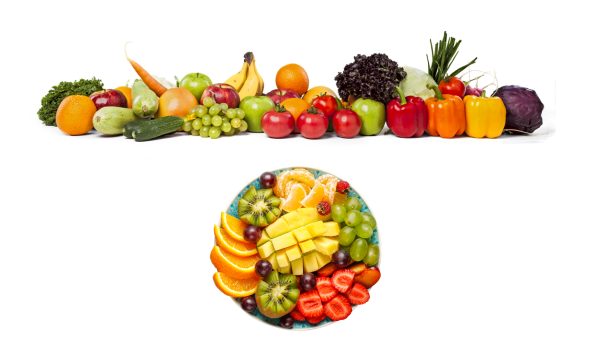
Plenty of vegetables or fruit
-
A carbohydrate source
-
Some fat or flavor
This method works across cuisines and preferences.
Portion By Comfort, Not Measurement
Stop eating when you feel comfortably satisfied, not stuffed or deprived.
Adjust Naturally Based On Hunger
Some days require more food, others less. Trust variation.
Choose Foods That Support Satisfaction
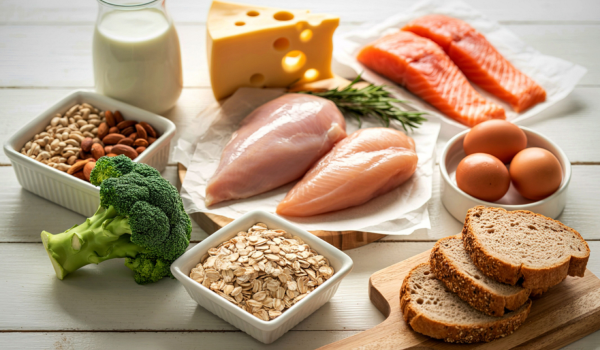
Protein Supports Fullness And Stability
Including protein at meals helps reduce constant snacking and energy swings.
Fiber Adds Volume And Digestive Support
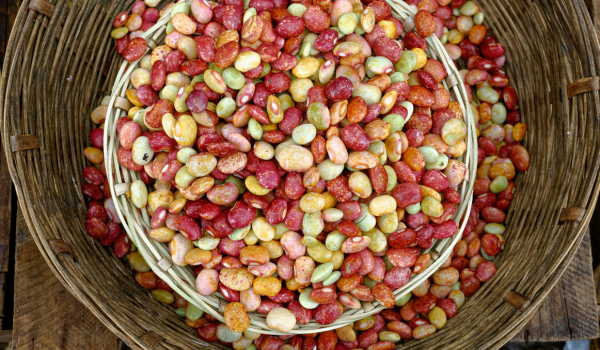
Vegetables, fruits, legumes, and whole grains support comfort and satisfaction.
Healthy Fats Improve Meal Enjoyment
Enjoyable meals are more sustainable than “perfect” ones.
Slow Down And Pay Attention While Eating
Eating Speed Influences Awareness
Slowing down helps the body register fullness without tracking.
Distraction-Free Eating Improves Satisfaction
Even partially reducing screens improves awareness.
Check In After Meals
Ask:
-
How do I feel physically?
-
How is my energy?
-
Am I satisfied?
These reflections replace numbers with insight.
Let Hunger And Fullness Guide Snacking
Snack With Intention
Eat snacks because you’re hungry, not because it’s time or out of habit.
Build Balanced Snacks
Combining protein, fiber, and carbohydrates supports energy without tracking.
Avoid Grazing Out Of Stress Or Boredom
Pausing before eating builds awareness.
Create An Environment That Supports Healthy Choices
Visibility Influences Behavior
Foods that are easy to see and access get eaten more often.
Prepare Foods To Reduce Effort
Washed produce and ready-to-eat items make balanced choices easier.
Stock Foods You Actually Enjoy
Sustainability depends on enjoyment.
Release All-Or-Nothing Thinking
One Meal Does Not Define Health
Balance is built over time.
Flexibility Is Part Of Healthy Eating
Enjoyment and social eating matter.
Progress Comes From Gentle Adjustments
Rigid control often leads to rebound behavior.
How To Know This Approach Is Working
Energy Feels More Stable
Fewer crashes and less reliance on stimulants.
Hunger Feels Predictable
You recognize hunger before it becomes extreme.
Food Feels Less Stressful
Decisions become easier and calmer.
Consistency Improves Naturally
Healthy choices happen more often without effort.
Long-Term Benefits Of Eating Without Tracking
Stronger Body Awareness
You trust your internal signals.
Improved Relationship With Food
Food becomes supportive, not stressful.
Greater Sustainability
Habits last because they fit real life.
Better Mental Well-Being
Less obsession leads to more balance.
Conclusion
Building healthy eating habits without tracking anything is not only possible—it is often more effective long term. By focusing on regular meals, balanced choices, body awareness, and supportive environments, you allow your body to guide eating naturally.
Healthy eating does not require constant monitoring. It requires consistency, attention, and trust. Over time, these habits create balance without stress, numbers, or restriction.
Explore more practical nutrition guidance on Health365s.com to continue building habits that support long-term well-being.

.png)







.png)
.png)
.png)
.png)

.png)
.png)
.png)
.png)
.png)
.png)
.png)
.png)
.png)
.png)


.png)
.png)
.png)
.png)