

Almond milk has become one of the most popular dairy alternatives—and for good reason. Naturally lactose-free and lower in calories than cow’s milk, it contains heart-healthy unsaturated fats and vitamin E. But how beneficial is it really?
Here’s what a dietitian would want you to know about almond milk’s health benefits, nutrients, and potential drawbacks.
1. May Support Weight Management
Almond milk is naturally low in calories, especially when you choose unsweetened varieties. One cup typically contains around 30–40 calories, making it a lighter option than whole dairy milk.
Almonds are rich in monounsaturated fatty acids (MUFAs), a type of healthy fat linked to improved satiety and better weight control. While almond milk contains fewer MUFAs than whole almonds—since it is mostly water—it can still be part of a balanced, calorie-conscious eating plan.
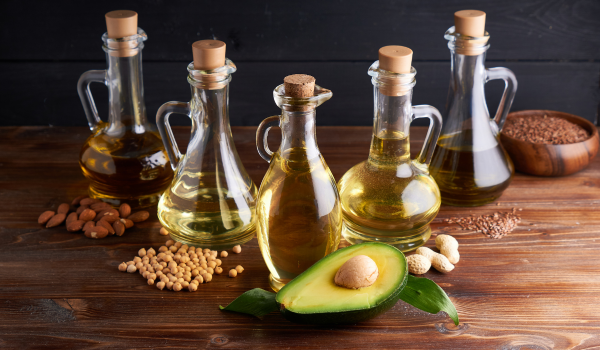
For optimal benefits, combine almond milk with other sources of healthy fats such as:
-
Whole almonds
-
Walnuts
-
Avocados
-
Olive oil
2. May Help Lower LDL (“Bad”) Cholesterol
Monounsaturated fats are associated with improved heart health. Diets higher in MUFAs have been linked to lower LDL cholesterol levels, which may reduce the risk of heart disease and stroke.
Although almond milk contains fewer MUFAs than whole almonds, it still provides small amounts of heart-healthy fats. Replacing saturated fat sources (like full-fat dairy or processed foods) with unsaturated fats may help support healthier cholesterol levels.
Keep in mind that lowering cholesterol also depends on overall lifestyle habits, including:
-
Regular physical activity
-
Not smoking
-
Eating fiber-rich foods
-
Maintaining a healthy body weight
3. Provides Antioxidant Vitamin E
Almond milk is a good source of vitamin E, a powerful antioxidant. Antioxidants help protect cells from oxidative stress, which contributes to aging and chronic disease.
Vitamin E also supports:
-
Immune function
-
Skin health
-
Healthy blood clotting
Some almond milk brands are fortified with additional nutrients like calcium and vitamin B12, which can make them more nutritionally comparable to dairy milk.
What Nutrients Are in Almond Milk?
Because almond milk is primarily water blended with almonds, its nutrition profile varies by brand. Here’s a typical breakdown for 1 cup of unsweetened almond milk:
-
Calories: ~30–40
-
Fat: ~3 grams
-
Protein: ~1 gram
-
Carbohydrates: <1 gram
-
Fiber: 0 grams
-
Added sugar: 0 grams (unsweetened)
Many commercial versions are fortified with:
-
Calcium
-
Vitamin D
-
Vitamin B12
Always check the label, as almond content and fortification levels differ widely.
Almond Milk vs. Dairy Milk
People often choose almond milk to avoid lactose, dairy allergies, or animal products.
Here’s how they compare:
-
Dairy milk contains more protein (about 8 grams per cup).
-
Almond milk is lower in calories and carbohydrates.
-
Dairy milk contains saturated fat and cholesterol; almond milk does not.
-
Dairy milk naturally provides more protein and certain nutrients unless almond milk is fortified.
From an environmental perspective, almond milk uses less land than dairy production, though almonds require significant water to grow.
Almond Milk vs. Other Plant-Based Milks
Compared to oat or rice milk, almond milk usually contains:
-
Less sugar (when unsweetened)
-
Fewer carbohydrates
-
Similar or slightly lower protein
Calcium levels depend on fortification. Some almond milks provide calcium levels comparable to dairy milk, but this varies by brand.
Risks and Things to Watch For
While almond milk is safe for most people, there are a few considerations.
Almond Allergy
Anyone with a tree nut allergy should avoid almond milk. Allergic reactions can be severe.
Added Sugar
Flavored versions (like vanilla or chocolate) may contain added sugar. Excess sugar intake is linked to:
-
Weight gain
-
Type 2 diabetes
-
Heart disease
-
High blood pressure
Choose unsweetened varieties whenever possible.
Additives
Some brands contain gums, stabilizers, or preservatives. While generally recognized as safe, people seeking minimally processed foods may prefer simpler ingredient lists.
How to Add Almond Milk to Your Diet
Almond milk is versatile and can be used in many ways:
-
Add to coffee or tea
-
Blend into smoothies
-
Use in oatmeal or overnight oats
-
Stir into soups and sauces
-
Make chia pudding or plant-based desserts
For extra healthy fats, pair almond milk with whole almonds or other nuts.
Is Homemade Almond Milk Better?
Making almond milk at home allows you to control ingredients. A basic recipe includes:
-
1 part soaked almonds
-
3 parts water
Blend and strain. Homemade versions typically contain more almonds and fewer additives, but they may lack added calcium or vitamin D unless fortified separately.
The Bottom Line
Almond milk is a low-calorie, dairy-free alternative that provides healthy fats and antioxidant vitamin E. While it doesn’t offer as much protein as dairy milk, it can support heart health and weight management as part of a balanced diet.
To maximize benefits, choose unsweetened varieties, check labels for fortification, and combine almond milk with other nutrient-dense foods.




















.png)
.png)
.png)
.png)


.png)
.png)
.png)
.png)
.png)
.png)
.png)
.png)
.png)
.png)




.png)
.png)
.png)
.png)
.png)
.png)
.png)

