.png)
Social media has transformed the way people think about food. Meals are no longer just something to eat—they are something to photograph, share, and compare. Platforms filled with colorful smoothie bowls, towering burgers, and perfectly styled plates create powerful ideas about what food should look like, how much it should cost, and how it should make us feel. Over time, these images shape expectations long before a meal is actually eaten.
Food content online is designed to capture attention, not reflect everyday reality. Filters, lighting, and selective editing turn ordinary meals into visual performances. As a result, many people begin to judge their own food choices and eating habits against what they see on screens. Understanding how social media shapes food expectations helps explain why meals sometimes feel disappointing, why portion sizes seem confusing, and why “normal” eating can start to feel inadequate.
Why Food Content Is So Powerful Online
Visual Appeal Drives Engagement
Bright colors, glossy textures, and dramatic portions attract more likes and shares.
Emotion Is Tied To Food Images
Food posts often represent pleasure, success, or lifestyle goals.
Repetition Builds Belief
Seeing similar food styles repeatedly creates the sense that they are standard or ideal.
How Images Redefine What “Good Food” Looks Like
Aesthetic Becomes More Important Than Nutrition
Meals are judged by appearance rather than how they support the body.
Unrealistic Perfection Becomes Normalized
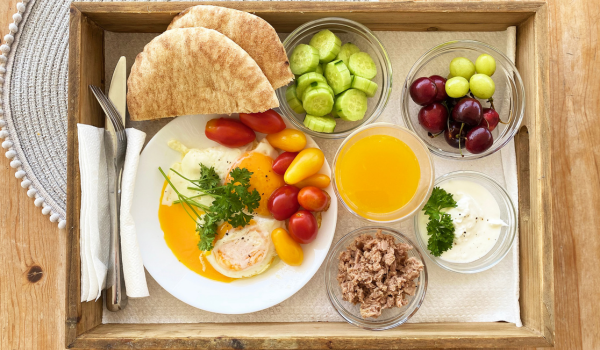
Carefully staged plates seem like everyday eating.
Simple Foods Feel Less Valid
Plain or practical meals may feel boring by comparison.
Social Media And Portion Size Expectations
Large Portions Look More Exciting
Oversized meals attract attention and appear more satisfying.
Tiny Portions Appear as “Clean” or “Healthy”
Minimal plates can suggest discipline rather than nourishment.
Visual Comparison Replaces Body Signals
People rely on what looks right instead of what feels right.
The Influence On Taste And Cravings
Exposure Triggers Desire
Repeated food images stimulate appetite even without hunger.
Highly Processed Foods Are Promoted Visually
Bright colors and textures increase appeal.
Flavor Expectations Are Shaped Before Eating
People anticipate stronger taste and richer foods.
How Trends Shape Eating Beliefs
Food Trends Spread Quickly
One viral recipe can redefine what people think is healthy.
Diet Culture Is Packaged as Lifestyle
Restriction is framed as beauty or discipline.
One Way of Eating Is Presented as Universal
Individual needs are rarely shown.
Social Media And Body Image Connection
Food Is Linked To Appearance
Posts connect eating with weight or attractiveness.
Comparison Increases Dissatisfaction
People judge their habits against curated lives.
Shame Can Enter Food Decisions
Choices feel morally loaded instead of practical.
How Expectations Affect Real-Life Eating
Meals Feel Less Exciting
Everyday food cannot match edited images.
Portion Confusion Increases
Visual cues override hunger and fullness.
Satisfaction Becomes Harder To Reach
People eat more searching for the feeling promised by images.
The Pressure To Perform Eating
Food Becomes Content
Meals are chosen for shareability rather than nourishment.
Eating Becomes Public Behavior
Private needs become social signals.
Choice Is Driven By Audience
What looks good matters more than what feels good.
Emotional Effects Of Food Comparison
Envy And Frustration Increase
People feel behind in lifestyle or health.
Confidence In Personal Choices Declines
Trust in internal cues weakens.
Food Loses Its Neutral Role
It becomes a measure of success or failure.
How Marketing Blends With Food Culture
Sponsored Posts Look Like Personal Advice
Advertising is disguised as lifestyle.
Products Are Linked To Identity
Eating certain foods suggests belonging.
Health Claims Are Simplified
Complex nutrition is reduced to slogans.
How Algorithms Reinforce Food Messages
Repeated Content Shapes Beliefs
The same food types appear again and again.
Extreme Examples Get More Visibility
Unusual or dramatic eating gains attention.
Balance Is Less Rewarded
Moderation is less visually striking.
Signs Social Media Is Affecting Your Food Expectations
-
Feeling disappointed with normal meals
-
Choosing food for appearance rather than hunger
-
Confusion about portion size
-
Guilt around eating certain foods
-
Chasing trends instead of listening to your body
-
Loss of enjoyment in simple meals
These reactions reflect exposure, not lack of control.
Separating Real Food From Online Images
Remember That Images Are Curated
Lighting and editing change reality.
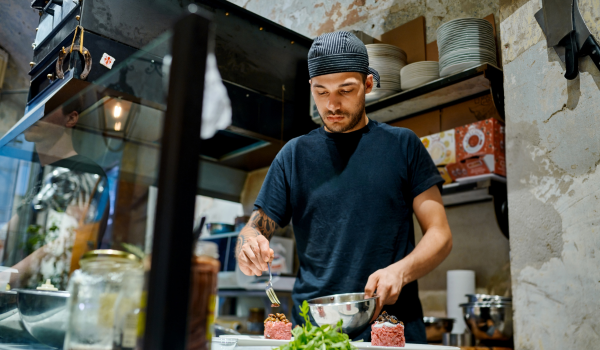
Real Meals Are Practical, Not Performative
They serve the body, not the camera.
Nutrition Is Invisible In Photos
Health is not always visible on a plate.
Building Healthier Food Expectations
Focus On How Food Feels After Eating
Energy and comfort matter more than looks.
Use Hunger And Fullness As Guides
Body signals are more reliable than visuals.
Accept Simplicity As Normal
Everyday meals do not need decoration.
Making Social Media Work For You
Follow Diverse Food Accounts
Variety shows many ways of eating.
Limit Exposure To Extreme Content
Balance reduces pressure.
Use Inspiration Without Imitation
Ideas can help without becoming rules.
Reclaiming Satisfaction From Real Eating
Slow Down During Meals
Taste and texture increase enjoyment.
Eat Without Screens Sometimes
Awareness improves satisfaction.
Choose Foods For Nourishment First
Pleasure follows when the body is supported.
How Expectations Shape Long-Term Habits
Visual Norms Become Internal Rules
People eat according to what they believe is “right.”
Habits Drift Away From Body Needs
External cues dominate.
Consistency Is Harder To Maintain
Trends constantly change.
Why Awareness Matters More Than Avoidance
Social Media Is Part Of Modern Life
Complete avoidance is unrealistic.
Understanding Reduces Influence
Knowledge restores control.
Intentional Use Supports Balance
Choice replaces reaction.
Long-Term Benefits Of Healthier Expectations
More Stable Eating Patterns
Meals become predictable and comfortable.
Better Relationship With Food
Eating feels supportive, not stressful.
Improved Satisfaction With Less Comparison
Food becomes personal again.
Greater Trust In Body Signals
Hunger and fullness regain importance.
Conclusion
Social media shapes food expectations by promoting visual perfection, large or tiny portions, and simplified ideas about health. These images influence cravings, portion decisions, and emotional responses to food, often without conscious awareness. Over time, this can weaken trust in natural hunger cues and reduce satisfaction with ordinary meals.
Eating well in a social media-driven culture does not require rejecting food content entirely. By recognizing that online food is curated, focusing on how food supports energy and comfort, and using body signals as the primary guide, people can build healthier expectations. Explore more practical nutrition insights on Health365s.com to reconnect with real eating in a digital world.




.png)
.png)
.png)
.png)
.png)
.png)
.png)
.png)
.png)
.png)
.png)
.png)
.png)
.png)
.png)
.png)
.png)
.png)
.png)
.png)
.png)
.png)