
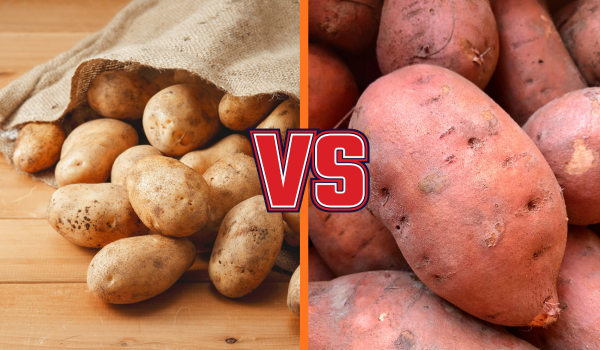
Potatoes and sweet potatoes are both starchy root vegetables that provide complex carbohydrates, fiber, antioxidants, and essential vitamins and minerals. While they share many nutritional similarities, their differences can matter depending on goals such as weight management, digestion, and vitamin intake.
Nutritional Overview of Potatoes and Sweet Potatoes
How their nutrients compare
Both white potatoes and sweet potatoes are similar in calories, carbohydrates, protein, and fat when eaten baked with the skin on. Sweet potatoes generally provide more fiber and significantly more vitamin A, while white potatoes offer slightly more vitamin B6 and similar amounts of potassium.
Leaving the skin on either type helps preserve fiber, antioxidants, and micronutrients that support overall health.
Benefits of White Potatoes
Key nutrients and digestive support
White potatoes are a good source of fiber, which supports digestion and helps promote fullness. They also provide potassium, a mineral important for blood pressure regulation and muscle and nerve function.
Vitamin B6 found in white potatoes supports energy metabolism, red blood cell formation, and nervous system health. They also contain vitamin C, which contributes to immune function and collagen production.
White potatoes naturally contain resistant starch, a type of carbohydrate that is not fully digested in the small intestine. Instead, it reaches the large intestine, where it feeds beneficial gut bacteria and supports blood sugar control and gut health. Resistant starch levels increase when potatoes are baked and then cooled.
Nightshades and Health Concerns
What to know about solanine
White potatoes belong to the nightshade family and contain solanine, a naturally occurring compound. While some people believe solanine worsens inflammation or joint pain, strong scientific evidence is limited.
Removing green portions, sprouts, and eyes from potatoes can reduce solanine exposure. Anyone who suspects a sensitivity or intolerance should consult a healthcare provider.
Benefits of Sweet Potatoes
Antioxidants and vitamin A support
Sweet potatoes are especially rich in beta-carotene, an antioxidant the body converts into vitamin A. This nutrient plays a critical role in vision, immune health, and cell growth.
They also provide fiber with potential prebiotic effects, helping support healthy gut bacteria. Certain varieties, such as purple sweet potatoes, contain anthocyanins, antioxidants that may help reduce inflammation and support metabolic health.
Like white potatoes, sweet potatoes also contain resistant starch as well as vitamins C and B6.
Key Differences Between Potatoes and Sweet Potatoes
Blood sugar and micronutrients
Sweet potatoes tend to have a slightly lower glycemic index than white potatoes, meaning they may raise blood sugar more slowly. This is partly due to their higher fiber content.
Sweet potatoes provide much higher amounts of vitamin A and vitamin C, while white potatoes contribute beneficial phenolic compounds that act as antioxidants.
Which Is Better for Weight Loss and Digestion?
Choosing based on health goals
Both potatoes and sweet potatoes can support weight management when eaten in appropriate portions and prepared healthfully. Their fiber and resistant starch content promotes fullness and gut health, which can help with appetite control.
Sweet potatoes may have a slight advantage for digestion and blood sugar stability due to higher fiber and lower glycemic impact, but white potatoes can still be part of a balanced diet.
Tips for Eating Potatoes in a Healthy Way
Preparation matters
The health benefits of potatoes depend heavily on how they are prepared. Frying or loading them with butter, cream, or sugar can reduce their nutritional value.
Healthier ways to enjoy potatoes include roasting, baking, boiling, or air frying with minimal added fat. Pairing them with lean protein, vegetables, and healthy fats helps create balanced meals. Cooling cooked potatoes before eating can also increase resistant starch content and support gut health.




.png)
.png)
.png)
.png)
.png)
.png)
.png)
.png)
.png)
.png)
.png)
.png)
.png)
.png)



.png)
.png)
.png)
.png)
.png)
.png)
.png)
.png)

