
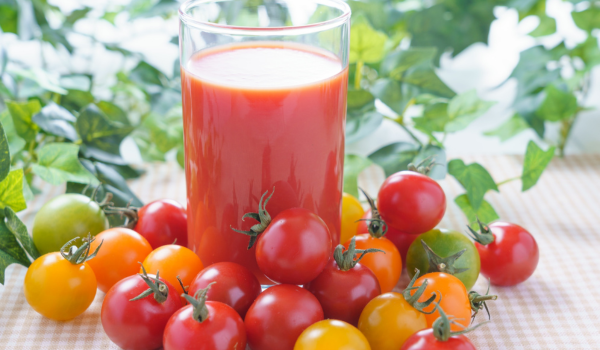
Drinking tomato juice regularly may help lower blood pressure, especially in people with hypertension. Research suggests that certain nutrients in tomatoes support healthier blood vessel function and fluid balance, which can contribute to better blood pressure control over time.
How Tomato Juice May Lower Blood Pressure
Lycopene Effects
Tomato juice contains lycopene, a powerful antioxidant responsible for tomatoes’ red color. Lycopene helps block the production of angiotensin II, a compound that causes blood vessels to tighten and raises blood pressure. It also supports the production of nitric oxide, which relaxes blood vessel walls and improves blood flow.
Potassium Content
One cup of tomato juice provides a significant amount of potassium. Potassium helps the kidneys remove excess sodium and water through urine, lowering the total volume of fluid the heart must pump. It also helps suppress renin, an enzyme involved in raising blood pressure.
Observed Blood Pressure Changes
In long-term research involving adults with untreated high blood pressure, those who drank unsalted tomato juice daily experienced a modest reduction in systolic blood pressure, indicating that regular intake may support cardiovascular health.
How Much Tomato Juice May Be Helpful
Daily Intake Amount
There is no official recommended dose of tomato juice for blood pressure management. In research settings, participants consumed about one cup of unsalted tomato juice each day and saw small but measurable improvements.
Consistency Matters
The benefit appears linked to long-term, regular consumption rather than occasional intake. Drinking tomato juice only once in a while is unlikely to produce the same effect.
Importance Of Low Sodium
Unsalted or low-sodium tomato juice is essential, since added salt can counteract the blood pressure–lowering benefits.
When Tomato Juice May Not Be Suitable
Kidney Conditions
People with kidney disease may need to avoid tomato juice because its potassium content can build up in the blood and potentially trigger irregular heart rhythms.
Digestive Sensitivity
Tomato juice is acidic and may worsen acid reflux or gastroesophageal reflux disease in some individuals.
Sodium Restrictions
Many commercial tomato juices contain added salt, which can raise blood pressure instead of lowering it.
Medication Interactions
Tomato juice may interfere with certain heart or blood pressure medications, including ACE inhibitors and potassium-sparing diuretics, due to its potassium levels.
Practical Tips For Use
Choose Unsalted Varieties
Select unsalted or low-sodium tomato juice to avoid excess sodium intake.
Limit To About One Cup Daily
This amount reflects what has been studied and may help support blood pressure without excessive potassium intake.
Use As A Complement, Not A Treatment
Tomato juice should not replace prescribed medications or lifestyle strategies such as exercise, weight control, and reduced sodium intake.
Consult A Healthcare Provider
People with kidney disease or those taking heart or blood pressure medications should speak with a healthcare professional before adding tomato juice regularly.













.png)
.png)
.png)
.png)


.png)
.png)
.png)
.png)
.png)
.png)
.png)
.png)
.png)
.png)




.png)
.png)
.png)
.png)
.png)
.png)
.png)
.png)

