
.png)
For many people, daily life revolves around driving. Long commutes, errands by car, drive-through meals, and hours spent seated behind the wheel are common parts of modern routines. While cars provide convenience and mobility, a car-centered lifestyle quietly shapes eating habits in ways people often overlook.
When meals are squeezed between traffic lights, parking lots, and tight schedules, food choices tend to shift toward speed and convenience. Over time, these patterns can influence energy levels, digestion, and overall well-being. Understanding how a car-centered lifestyle affects eating habits is the first step toward making small adjustments that support daily health without requiring drastic changes.
How A Car-Centered Lifestyle Shapes Daily Eating Patterns
Meals Become Schedule-Driven
Eating often happens around commute times rather than hunger cues.
Food Choices Prioritize Convenience
Drive-throughs, packaged snacks, and portable foods become default options.
Eating Locations Change
Meals are frequently eaten in cars, at desks, or between errands rather than at a table.
The Impact Of Long Commutes On Meal Timing
Skipped Or Delayed Meals
Early departures and late returns often push meals later in the day.
Irregular Eating Patterns
Long gaps between meals can lead to intense hunger later.
Energy Fluctuations
Inconsistent fueling can cause mid-day fatigue or evening overeating.
How Eating In The Car Affects Awareness
Reduced Mindfulness
Eating while driving shifts attention away from hunger and fullness signals.
Faster Eating Pace
Quick bites encourage eating past comfort levels.
Lower Satisfaction
Distracted meals often feel less fulfilling, leading to additional snacking later.
Convenience Foods And Their Role In Car-Based Routines
Why They Are Appealing
They require no preparation, utensils, or cleanup.
Common Choices
Fast food, packaged bars, chips, pastries, and sugary drinks.
Long-Term Effects
Frequent reliance on highly processed options may reduce nutrient intake and satiety.
The Relationship Between Sitting, Snacking, And Energy
Prolonged Sitting Increases Fatigue
Extended driving reduces physical movement and circulation.
Snacking Becomes A Stimulation Tool
Food is often used to stay alert rather than to meet nutritional needs.
Energy Feels Short-Lived
Quick snacks may provide brief boosts followed by crashes.
How A Car-Centered Lifestyle Influences Hydration
Reduced Water Intake
People often avoid drinking to limit restroom stops.
Increased Sugary Beverage Consumption
Coffee, soda, and energy drinks become substitutes for water.
Hydration And Focus Are Linked
Even mild dehydration can affect concentration and mood.
The Hidden Stress Of Eating On The Go
Time Pressure Affects Choices
Stress narrows decision-making toward familiar convenience foods.
Stress Can Mask Hunger Signals
People may eat out of routine rather than need.
Digestive Comfort May Decline
Stress and rushed eating can contribute to discomfort.
Why Structure Matters In A Car-Centered Routine
Predictable Eating Reduces Extremes
Regular meals help prevent intense hunger.
Structure Creates Flexibility
When meals are planned, occasional on-the-go eating becomes less disruptive.
Consistency Supports Energy
The body responds well to steady fueling patterns.
Simple Eating Strategies For Long Driving Days
Plan Portable Balanced Options
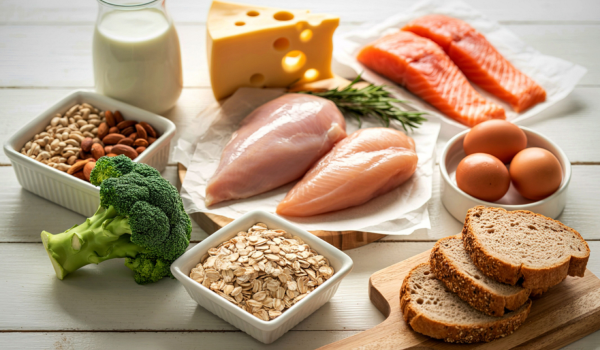
Foods that include protein, fiber, and fats help sustain energy.
Eat Before Driving When Possible
Starting trips nourished reduces impulse food stops.
Use Stops Intentionally
Short breaks for eating can improve awareness and comfort.
Rethinking Snacks In A Car-Centered Lifestyle
Snacks As Fuel, Not Entertainment
Choosing snacks that support energy rather than distraction.
Balanced Snacks Matter
Combining carbohydrates with protein or fats improves satiety.
Portion Awareness Without Rules
Eating slowly when stopped improves satisfaction.
How Car-Centered Eating Patterns Affect Long-Term Health
Inconsistent Fueling Can Accumulate
Small daily patterns shape long-term energy and comfort.
Reliance On Ultra-Processed Foods Adds Up
Frequency matters more than occasional choices.
Awareness Creates Opportunity For Change
Understanding patterns allows gradual adjustments.
Building A Supportive Food Environment For Driving Days
Prepare The Night Before
Small preparation reduces morning stress.
Keep Nourishing Options Accessible
What is within reach often determines choices.
Avoid Perfection Thinking
Balance across the day matters more than individual meals.
Making Peace With On-The-Go Eating
Car-Centered Living Is Reality For Many
The goal is not elimination, but improvement.
Flexibility Supports Sustainability
Rigid rules rarely survive busy schedules.
Small Shifts Create Meaningful Impact
Even minor changes in timing or food quality can improve daily health.
How Awareness Improves Eating In A Driving Culture
Recognizing Hunger Signals
Checking in before eating helps guide choices.
Separating Eating From Driving When Possible
Even short pauses improve mindfulness.
Listening To Energy Patterns
Noticing how foods affect alertness guides better choices over time.
Conclusion
A car-centered lifestyle shapes eating habits in subtle but powerful ways, influencing meal timing, food choices, and awareness. While driving-heavy routines often push people toward convenience and speed, small adjustments can make a meaningful difference.
By focusing on regular fuel, balanced portable options, hydration, and simple structure, it is possible to support energy and comfort without fighting the realities of modern life. Eating well in a car-centered world does not require perfection—just awareness and consistency. Explore more practical nutrition insights on Health365s.com to build habits that fit the way you actually live.







.png)
.png)
.png)
.png)

.png)
.png)
.png)
.png)
.png)
.png)
.png)
.png)
.png)
.png)


.png)
.png)
.png)
.png)
.png)
.png)
.png)
.png)

