.png)
The Mediterranean diet is often misunderstood as a strict eating plan or a list of rules to follow. In reality, it is not a diet in the traditional sense at all. It is a pattern of eating rooted in culture, tradition, and everyday habits that support long-term health without restriction or calorie obsession.
Rather than focusing on what to eliminate, the Mediterranean approach emphasizes enjoyment, balance, and consistency. It shows how food can support energy, heart health, digestion, and overall well-being while still being satisfying and flexible. Understanding how this way of eating works can help you apply its principles to daily life—without dieting, tracking, or stress.
What The Mediterranean Diet Really Is
A Lifestyle, Not A Weight-Loss Plan
The Mediterranean diet reflects how people traditionally eat in regions such as southern Italy, Greece, and parts of Spain. It developed naturally over generations, not in response to weight-loss trends.
Built Around Everyday Foods
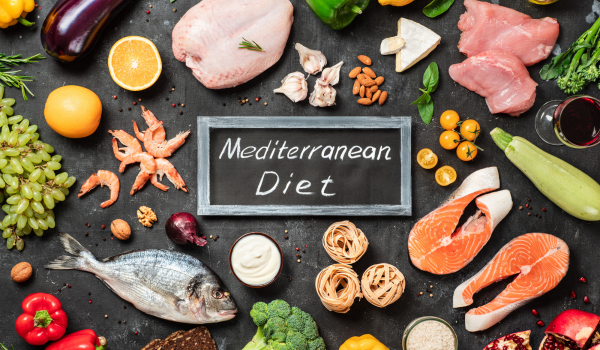
Meals are centered on:
-
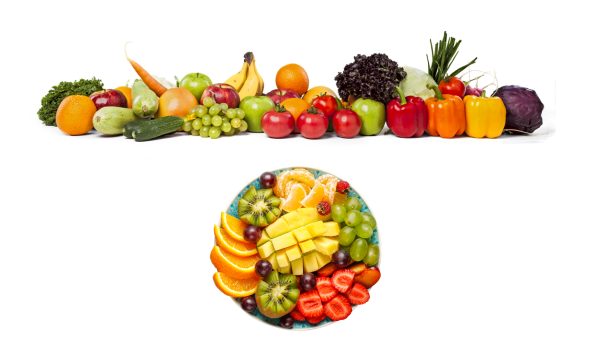
Vegetables and fruits
-
Whole grains
-
Legumes
-
Nuts and seeds
-
Olive oil
-
Fish and seafood
-
Moderate dairy and poultry
Red meat and sweets are enjoyed occasionally, not avoided entirely.
Food Is Part Of Daily Life And Culture
Meals are often shared, eaten slowly, and enjoyed socially. Eating is not rushed or disconnected—it is part of living.
Why The Mediterranean Pattern Feels Balanced
No Food Groups Are Demonized
Instead of labeling foods as “good” or “bad,” this pattern emphasizes frequency and portions. Balance comes from variety over time, not perfection at every meal.
Focus On Addition, Not Restriction
The Mediterranean approach encourages adding nourishing foods rather than cutting foods out. This mindset naturally improves diet quality without feeling limiting.
Meals Are Satisfying By Design
Healthy fats, fiber-rich foods, and adequate protein create meals that are filling, flavorful, and nourishing.
How The Mediterranean Diet Supports Daily Energy
Stable Blood Sugar Through Balanced Meals
Meals typically include fiber, healthy fats, and protein together. This combination slows digestion and supports steady energy rather than spikes and crashes.
Healthy Fats Provide Lasting Fuel
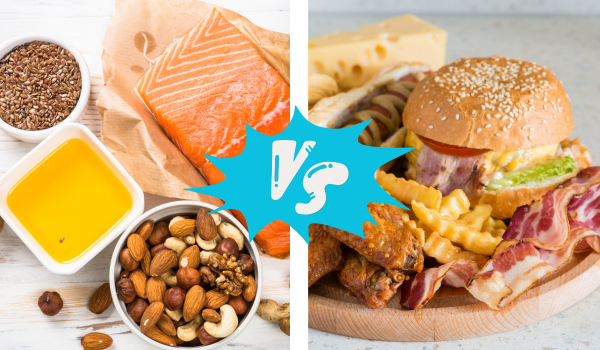
Olive oil, nuts, seeds, and fish supply fats that support sustained energy and help the body absorb fat-soluble vitamins.
Carbohydrates Are Chosen Thoughtfully
Instead of refined carbs, meals emphasize whole grains, legumes, fruits, and vegetables that release energy gradually.
The Role Of Vegetables And Plant Foods
Vegetables As The Foundation Of Meals
Vegetables are not side dishes—they are central. Meals often include multiple types of vegetables prepared simply with olive oil, herbs, and spices.
Plant Variety Supports Nutrient Intake
Different colors and types of plant foods provide a wide range of vitamins, minerals, and antioxidants.
Fiber Supports Digestion And Satisfaction
Legumes, vegetables, fruits, and whole grains provide fiber that supports gut health and fullness.
How Protein Is Used Without Excess
Plant And Seafood Proteins Are Prioritized
Beans, lentils, fish, and seafood are common protein sources. These options support heart health and are easier to digest for many people.
Animal Proteins Are Enjoyed In Moderation
Poultry, eggs, and dairy appear regularly but in moderate amounts. Red meat is eaten occasionally, not daily.
Protein Is Part Of Meals, Not The Focus
Protein supports meals without dominating the plate, allowing room for vegetables and whole foods.
Eating Patterns That Support Balance
Meals Are Regular And Predictable
Eating regularly helps maintain energy, digestion, and hunger cues.
Snacking Is Simple And Intentional
Snacks often include fruit, yogurt, nuts, or leftovers rather than highly processed foods.
Eating Is Unrushed
Taking time to eat allows fullness signals to register and increases satisfaction.
Why No Dieting Is Required
There Is No Calorie Counting
Portions are guided by hunger, satisfaction, and cultural norms rather than numbers.
Flexibility Is Built In
Celebrations, desserts, and indulgent foods are part of life. Enjoyment is encouraged, not punished.
Consistency Matters More Than Perfection
Health benefits come from long-term patterns, not short-term compliance.
How To Apply Mediterranean Principles In Everyday Life
Cook Simply And Flavorfully
Use olive oil, herbs, garlic, and spices to make simple foods satisfying.
Build Meals Around Plants
Let vegetables, grains, and legumes form the base of meals, with protein added as support.
Choose Whole Foods More Often
Focus on foods that look close to their natural form.
Eat With Awareness And Enjoyment
Slow down, enjoy meals, and remove unnecessary guilt from eating.
Common Misunderstandings About The Mediterranean Diet
It Is Not Expensive By Default
Beans, lentils, grains, and seasonal produce are often affordable.
It Is Not Only For Weight Loss
Its primary benefits relate to heart health, metabolic balance, and longevity.
It Does Not Require Perfect Adherence
Even partial adoption offers benefits.
Long-Term Benefits Of Mediterranean-Inspired Eating
Supports Heart And Brain Health
This pattern is associated with improved cardiovascular and cognitive outcomes.
Encourages Sustainable Habits
Because it is flexible and enjoyable, it is easier to maintain long term.
Improves Relationship With Food
Food becomes a source of nourishment and pleasure rather than stress.
Promotes Overall Balance
Physical health, emotional well-being, and social connection are all supported.
Conclusion
The Mediterranean diet inspires balanced eating by focusing on enjoyment, variety, and consistency rather than restriction. It shows that healthy eating does not require dieting, rigid rules, or perfection. By emphasizing whole foods, healthy fats, regular meals, and mindful enjoyment, this approach supports long-term health in a realistic and sustainable way.
Adopting Mediterranean-inspired habits is less about changing everything at once and more about making small, meaningful shifts that fit everyday life. Over time, these choices build balance naturally—without the pressure of dieting.
Explore more practical nutrition insights on Health365s.com to continue building healthy habits that last.

.png)








.png)
.png)
.png)
.png)


.png)
.png)
.png)
.png)
.png)
.png)
.png)
.png)
.png)
.png)



.png)
.png)
.png)
.png)