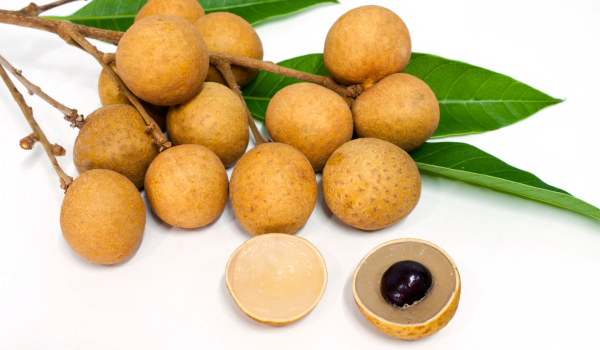
Longan, often called dragon’s eye because of its translucent flesh and dark seed center, is a tropical fruit native to Southeast Asia. Scientifically known as Dimocarpus longan, longan is naturally sweet and provides key nutrients such as vitamin C, potassium, and beneficial plant compounds.
Here are four evidence-based ways longan may support your overall health.
1. May Support Immune Health
Longan is especially valued for its vitamin C content. Vitamin C plays a central role in immune defense by supporting the production and function of white blood cells, which help protect the body against infections.
A typical serving of fresh longan (about 20 peeled fruits) provides a substantial amount of vitamin C, contributing meaningfully to daily requirements. Vitamin C also supports wound healing, helps regulate inflammation, and protects cells from oxidative damage.
By including vitamin C–rich fruits like longan in your diet, you may strengthen your body’s natural defenses and support immune resilience year-round.
2. Rich In Antioxidants
Longan contains antioxidants such as polyphenols and flavonoids. These plant compounds help neutralize free radicals—unstable molecules that can damage cells and contribute to chronic disease over time.
Antioxidants support the body’s natural anti-inflammatory processes and may help protect against oxidative stress. Diets rich in fruits and vegetables are consistently associated with better long-term health outcomes, partly due to their antioxidant content.
Longan’s vitamin C also enhances its antioxidant capacity, offering combined protection against cellular damage.
3. May Support Heart Function
Longan provides potassium, a mineral essential for maintaining healthy muscle contractions—including those of the heart. Potassium helps regulate fluid balance, nerve signaling, and blood pressure.
Adequate potassium intake supports stable heart rhythms and may help offset the effects of sodium on blood pressure. However, people with kidney conditions or those taking certain medications should consult a healthcare professional before increasing potassium intake.
Although longan is not particularly high in fiber compared to some other fruits, its small contribution can still support healthy cholesterol levels when combined with a balanced, fiber-rich diet. As part of an overall heart-healthy eating pattern, longan can be a flavorful addition.
4. May Help With Weight Management
Longan is relatively low in calories while offering natural sweetness, making it a satisfying alternative to processed sugary snacks.
Fresh longan is composed mostly of water, which can contribute to feelings of fullness. Hydrating foods may help support appetite control when included as part of balanced meals or snacks.
Its natural sugars can help satisfy sweet cravings without the added fats and refined sugars found in many packaged desserts. However, portion awareness is still important, especially for individuals monitoring carbohydrate intake.
Nutritional Profile Of Fresh Longan
A serving of about 20 fresh longans (without peel and seed) provides approximately:
Calories: 38
Fat: 0.1 grams
Sodium: 0 milligrams
Carbohydrates: 9.7 grams
Fiber: 0.7 grams
Protein: 0.8 grams
Vitamin C: Significant contribution to daily needs
Potassium: Moderate contribution
Phosphorus and riboflavin: Small amounts
While a single serving may not supply large percentages of every nutrient, longan contributes meaningfully—especially in vitamin C—when included in a varied diet.
How Dried Longan Differs Nutritionally
Dried longan is more calorie-dense than fresh longan because the water content has been removed. This concentrates its natural sugars and carbohydrates.
A similar serving size of dried longan contains:
Higher calories
Higher carbohydrate content
More concentrated minerals such as potassium and phosphorus
Lower vitamin C compared to fresh longan
Because drying reduces vitamin C content, fresh longan is generally the better option if immune support is your goal. Dried longan can still be enjoyed in moderation, especially in teas or traditional herbal preparations.
Potential Risks And Considerations
Blood Sugar Concerns
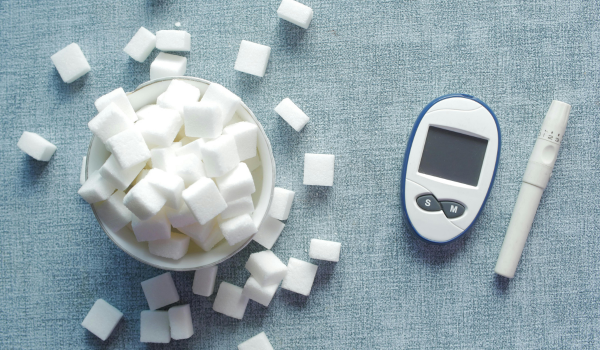
Longan is naturally high in carbohydrates. Individuals with diabetes or those closely managing blood sugar levels should monitor portion sizes to prevent unwanted spikes.
Digestive Discomfort
Eating large amounts of longan in one sitting may cause bloating or loose stools, particularly in people not accustomed to higher-fruit diets.
Allergic Reactions
Allergic reactions to longan are rare but possible. Individuals with known sensitivities to tropical fruits should exercise caution.
Symptoms of a severe allergic reaction may include:
Dizziness
Shortness of breath
Swelling of the tongue or throat
Rapid heartbeat
Wheezing
Anaphylaxis is a medical emergency requiring immediate treatment. People with known severe allergies may be prescribed epinephrine for emergency use.
Tips For Adding Longan To Your Diet
Longan can be enjoyed fresh or dried in many ways:
Add peeled fresh longan to smoothies or fruit salads
Use dried longan to make herbal tea
Mix into yogurt or oatmeal
Blend into juices for natural sweetness
Pair with other tropical fruits for a balanced snack
When purchasing canned longan, check the label for added sugars. For longer storage, fresh longan can be refrigerated, while dried longan should be kept in an airtight container in a cool, dark place.
The Bottom Line
Longan (dragon’s eye) is a nutrient-rich tropical fruit that provides vitamin C, antioxidants, potassium, and natural plant compounds. It may support immune function, heart health, and overall well-being when included as part of a balanced diet.
While generally safe for most healthy adults, moderation is important—especially for those monitoring blood sugar or with known fruit allergies. Fresh longan offers the greatest vitamin C benefit, while dried longan provides a more concentrated energy source.














.png)
.png)
.png)
.png)


.png)
.png)
.png)
.png)
.png)
.png)
.png)
.png)
.png)
.png)




.png)
.png)
.png)
.png)
.png)
.png)
.png)