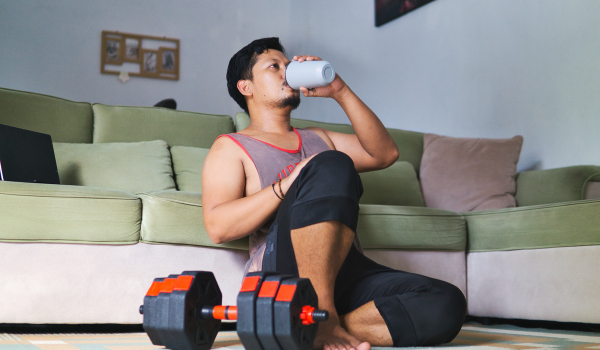
Protein timing—whether you eat it before or after training—can influence muscle repair and recovery. However, growing evidence suggests that total daily protein intake may matter more than exact timing for most people.
Protein and Exercise Needs
The current Recommended Dietary Allowance (RDA) for protein is 0.8 grams per kilogram (kg) of body weight. This amount is considered the minimum needed to prevent muscle loss—not necessarily the ideal intake for active individuals.
For people who exercise regularly, especially those who perform resistance training, protein needs are higher. Leading nutrition and sports organizations recommend:
-
1.2–2.0 g/kg for physically active adults
-
Up to 2.3–3.1 g/kg for those engaged in intense resistance training
Exercise places stress on muscle tissue, creating small tears that must be repaired. Protein provides amino acids, the building blocks your body uses to rebuild and strengthen muscle fibers. Factors such as training intensity, age, body composition, and recovery demands all influence individual protein needs.
How Protein Supports Muscle Growth
Muscle growth occurs through a process called muscle protein synthesis. After exercise, your body uses available amino acids to repair damaged fibers and stimulate growth.
If adequate protein is consumed, your body can:
-
Repair microscopic muscle damage
-
Support lean mass maintenance
-
Promote strength adaptations over time
Without sufficient protein, recovery may be slower and muscle gains more limited.
Understanding the “Anabolic Window”
The anabolic window refers to the period after exercise when muscles are thought to be especially receptive to nutrients. Some people believe you must consume protein within 30 minutes of finishing a workout to maximize gains.
While post-workout nutrition is important, research on the anabolic window is mixed. Studies suggest:
-
Muscle sensitivity to protein may remain elevated for up to 24 hours after resistance training
-
Immediate intake is helpful but not necessarily critical if overall daily protein is adequate
-
Total daily intake often plays a larger role than precise timing
Rather than focusing on a strict 30-minute rule, it may be more practical to distribute protein evenly throughout the day.
Benefits of Eating Protein Before a Workout
Pre-workout protein can be helpful in certain situations.
Some athletes train in a fasted state to promote fat oxidation. However, not everyone performs well without food beforehand. Consuming protein before exercise may:
-
Reduce hunger during training
-
Provide amino acids available for muscle repair
-
Support performance for those sensitive to fasted workouts
Research indicates that moderate pre-workout protein (up to around 40 grams) does not appear to impair fat oxidation. It may also ensure amino acids are circulating in the bloodstream during and after exercise.
That said, large or high-fat meals before training may cause digestive discomfort. Simpler, easily digestible protein sources are often better choices.
Benefits of Eating Protein After a Workout
Post-workout protein plays a direct role in recovery.
After resistance training, muscle protein synthesis increases, and the body becomes more responsive to protein intake. Consuming protein during this recovery window can:
-
Support muscle repair
-
Reduce markers of muscle damage
-
Enhance long-term strength gains
-
Improve recovery between sessions
For those focused on weight management, a protein-rich post-workout meal may also promote satiety and help regulate appetite later in the day.
So, Is Protein Better Before or After?
There is no universal answer. The ideal timing depends on:
-
Your workout schedule
-
Your total daily protein intake
-
Digestive tolerance
-
Training intensity
-
Personal preference
If you train early in the morning without eating beforehand, prioritizing protein afterward is important. If you eat a balanced meal one to two hours before training, that meal may already provide enough amino acids to support recovery.
Current evidence suggests that meeting your total daily protein target consistently is more important than obsessing over exact timing.
How To Meet Your Daily Protein Goals
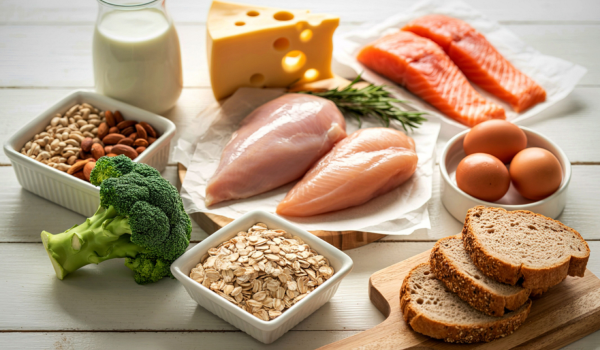
Protein can come from a wide variety of whole-food sources, including:
-
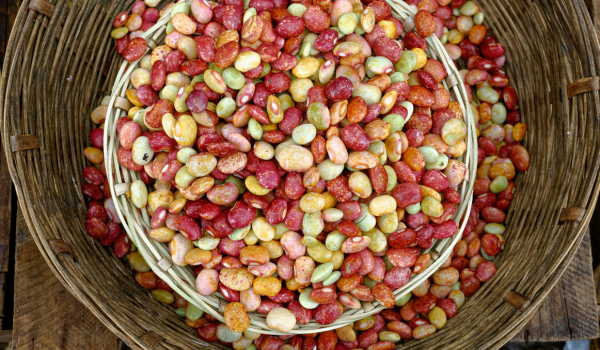
Beans and legumes
-
Greek yogurt, cottage cheese, and milk
-
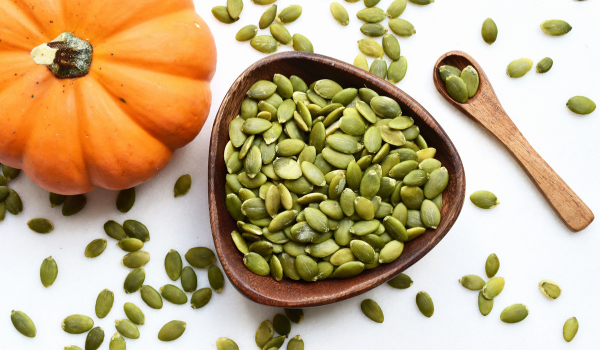
Nuts and seeds
-
Poultry and lean meats
-
Seafood
-
Soy foods like tofu and edamame
Including a range of protein sources helps ensure you receive other essential nutrients such as iron, calcium, vitamin D, and omega-3 fatty acids.
For individuals who struggle to meet their needs through food alone, protein supplements may help fill gaps. Powders can be convenient, especially after workouts, but they should complement—not replace—balanced meals.
Practical Takeaways
If your goal is muscle growth or recovery:
-
Aim for adequate daily protein intake
-
Spread protein across meals
-
Include protein within a few hours before or after training
If your goal is fat loss:
-
Prioritize overall calorie balance
-
Use protein strategically to maintain satiety and lean mass
Ultimately, consistency matters more than perfect timing. Ensuring you consume enough high-quality protein throughout the day will support recovery, muscle maintenance, and overall health.






.png)
.png)
.png)
.png)

.png)
.png)
.png)
.png)
.png)
.png)
.png)
.png)
.png)
.png)



.png)
.png)
.png)
.png)
.png)
.png)
.png)