
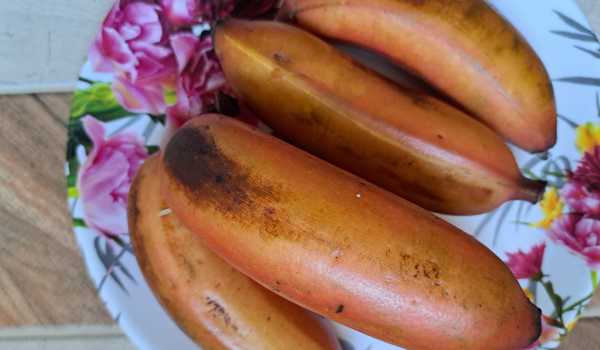
Red bananas (Musa spp.) are a vibrant variety of banana with reddish-purple skin and naturally sweet, creamy flesh. Native to tropical regions such as Southeast Asia and Australia, they are one of more than 1,000 banana varieties grown worldwide.
While red bananas offer many of the same benefits as common yellow bananas, they stand out for their higher concentration of certain antioxidants, giving them a slight nutritional advantage. Here’s what makes red bananas a powerful addition to a balanced diet.
May Support Heart Health
Red bananas contain key minerals that play an essential role in cardiovascular function, particularly potassium and magnesium. These minerals help regulate blood pressure by relaxing blood vessels and promoting the removal of excess sodium through urine.
Low potassium and magnesium intake has been associated with elevated blood pressure, a major risk factor for heart disease. Increasing intake of potassium- and magnesium-rich foods may help reduce hypertension and support overall heart health.
Research suggests that higher magnesium intake is linked with a reduced risk of developing high blood pressure. Similarly, increasing daily potassium intake has been associated with modest reductions in both systolic and diastolic blood pressure.
Eating two medium-sized red bananas per day can provide a meaningful portion of daily magnesium and potassium needs, making them a convenient and heart-friendly fruit option.
Rich In Carotenoids And Antioxidants
All bananas contain beneficial plant compounds such as vitamin C and flavonoids. However, red bananas are particularly rich in carotenoids, natural pigments responsible for their reddish hue.
Carotenoids act as antioxidants, helping neutralize free radicals that can cause cellular damage when present in excess. Red bananas have been shown to contain higher total carotenoid levels—including beta-carotene and lutein—compared to yellow bananas.
Higher blood levels of carotenoids have been associated with a lower risk of several chronic diseases, including certain cancers and cardiovascular conditions. Their anti-inflammatory and cell-protective effects make carotenoid-rich foods like red bananas especially valuable for long-term health.
May Help Protect Eye Health
The carotenoids beta-carotene and lutein, found in higher amounts in red bananas, are closely linked to eye health.
These compounds help reduce oxidative stress and inflammation in eye tissues. Diets rich in carotenoids have been associated with a reduced risk of age-related macular degeneration (ARMD), one of the leading causes of vision loss in older adults.
Higher blood levels of beta-carotene and lutein are also associated with lower risk of glaucoma, a condition characterized by increased pressure in the eye that can damage the optic nerve over time.
Incorporating carotenoid-rich fruits like red bananas into your diet may help support long-term visual health.
Supports Digestive Health
Red bananas are a good source of dietary fiber, a nutrient essential for digestive function. Fiber helps maintain regular bowel movements, prevents constipation, and supports the growth of beneficial gut bacteria.
Unripe red bananas contain resistant starch, a special type of fiber that resists digestion in the small intestine. Once it reaches the large intestine, resistant starch is fermented by gut bacteria, producing short-chain fatty acids (SCFAs) such as butyrate, acetate, and propionate.
SCFAs help strengthen the gut lining, reduce inflammation, and provide energy to colon cells. However, as bananas ripen, resistant starch content decreases. If you want to maximize resistant starch intake, choose red bananas that are slightly underripe and less sweet.
Nutritional Profile Of Red Bananas
Red bananas have a nutritional profile similar to yellow bananas, offering a mix of carbohydrates, fiber, and essential micronutrients.
A medium-sized (118-gram) red banana provides approximately:
Calories: 105
Carbohydrates: 26.9 grams
Protein: 1.29 grams
Fat: Less than 1 gram
Fiber: 3.07 grams
Vitamin B6: 25% of the Daily Value
Manganese: 14% of the Daily Value
Vitamin C: 11% of the Daily Value
Copper: 10% of the Daily Value
Potassium: 9% of the Daily Value
Red bananas are particularly rich in vitamin B6, manganese, and vitamin C.
Vitamin B6 supports immune function, hemoglobin production, and neurotransmitter synthesis. It also helps regulate homocysteine levels, which are linked to cardiovascular health.
Vitamin C acts as a powerful antioxidant, supports collagen formation, strengthens the immune system, and helps regulate inflammation.
Manganese plays a role in energy metabolism and supports nervous and immune system function.
Potential Risks And Considerations
Red bananas are safe for most people, but certain individuals should be cautious.
Bananas contain oligo-fructans, a type of carbohydrate classified as a FODMAP (fermentable oligo-, di-, mono-saccharides, and polyols). High-FODMAP foods may trigger digestive symptoms such as bloating, gas, and diarrhea in sensitive individuals, particularly those with irritable bowel syndrome (IBS).
Because red bananas are also relatively high in carbohydrates, individuals with diabetes or blood sugar regulation concerns may need to monitor portion sizes.
Although rare, banana allergies can occur. Anyone with a known banana allergy should avoid all banana varieties, including red bananas.
Tips For Enjoying Red Bananas
Red bananas have a slightly sweeter flavor than yellow bananas, often described as having a subtle berry-like note. They can be enjoyed in many ways:
Freeze them to create dairy-free banana “ice cream”
Blend into smoothies or protein shakes
Slice over oatmeal, granola, or chia pudding
Use in baked goods such as banana bread or muffins
Pair with protein sources like nuts, cheese, or eggs for a balanced snack
Add to Greek yogurt parfaits for natural sweetness
Red bananas can also be used in savory dishes, offering a unique twist compared to traditional yellow bananas.
The Bottom Line
Red bananas are a nutrient-dense fruit rich in potassium, magnesium, fiber, vitamin B6, vitamin C, and powerful carotenoids. They may support heart health, eye protection, digestive function, and overall cellular protection.
While generally safe for most people, those with FODMAP sensitivity, diabetes, or banana allergies should monitor intake. When included as part of a balanced diet, red bananas offer both nutritional benefits and vibrant flavor






.png)
.png)
.png)
.png)
.png)
.png)
.png)
.png)
.png)
.png)
.png)
.png)
.png)
.png)



.png)
.png)
.png)
.png)
.png)
.png)
.png)

