Eating should be a simple act of meeting a basic human need, yet for many people it feels confusing, stressful, and filled with conflicting advice. Food choices are now influenced by technology, marketing, work schedules, and social pressure in ways that did not exist before. Instead of listening to natural hunger and fullness cues, people are often guided by screens, trends, and time constraints. Modern life has transformed eating from a biological rhythm into a complicated daily negotiation.
How Modern Schedules Disrupt Natural Hunger
Biological Hunger Versus Clock-Based Eating
The human body is designed to signal hunger based on energy needs, activity, and hormonal rhythms. However, modern schedules often replace these signals with fixed meal times dictated by work or school. Many people eat lunch because it is noon, not because their body is asking for fuel. This disconnect weakens awareness of natural hunger and fullness over time.
When meals are forced into narrow time windows, the body may not be ready to digest or may be overly hungry by the time food becomes available. This can lead to rushed eating, large portions, and reduced sensitivity to satiety. Over time, hunger becomes something to manage rather than something to understand.
Irregular Routines And Energy Fluctuations
Shift work, long commutes, and unpredictable workloads further disrupt eating rhythms. A person may skip breakfast one day, eat late the next, and snack constantly on another. These changing patterns confuse the body’s expectation of when food will arrive.
Energy levels become harder to predict when eating is inconsistent. Instead of a steady cycle of hunger and fullness, people experience sudden cravings or long periods without appetite. This irregularity makes eating feel unreliable and complicated rather than routine.
The Influence Of Food Marketing And Media
Constant Exposure To Food Messages
Modern environments are filled with food signals. Advertisements, social media posts, and digital menus present food as entertainment, reward, and identity. These messages encourage eating for reasons unrelated to hunger, such as boredom, stress, or social belonging.
When food appears everywhere, the brain interprets availability as a cue to eat. This constant stimulation competes with internal signals and makes it difficult to know whether desire comes from the body or from external influence. The result is confusion about true need versus learned response.
Contradictory Nutrition Information
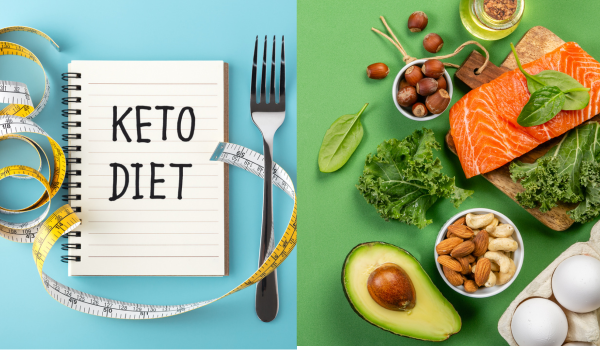
Media also spreads conflicting advice about what and how to eat. One trend praises low-carbohydrate diets, another emphasizes plant-based eating, and another warns against certain ingredients. These messages change rapidly and often contradict one another.
For many people, this creates fear of making the wrong choice. Instead of trusting experience or bodily response, eating becomes a mental exercise of evaluating rules. The focus shifts from nourishment to compliance with ever-changing guidelines, adding emotional weight to each decision.
Technology And The Loss Of Eating Awareness
Distracted Eating Habits
Smartphones, computers, and televisions often accompany meals. Eating while scrolling or watching reduces attention to taste, texture, and portion size. The brain registers food less clearly when attention is divided.
This distraction weakens the connection between eating and satisfaction. People may finish a meal without feeling complete because sensory experience was minimal. This can lead to additional snacking and a sense that meals are never quite enough.
Speed And Convenience Over Experience
Technology has also made food faster and easier to obtain. Delivery services and packaged meals remove preparation time and effort. While convenient, this reduces engagement with food.
When eating becomes something done quickly between tasks, it loses its role as a distinct activity. Hunger and fullness signals are more likely to be ignored when meals are treated as interruptions rather than moments of care. This shift turns eating into a background task rather than a bodily conversation.
Social Pressure And Cultural Expectations
Eating As Performance
Social settings often turn eating into a public act shaped by expectations. People may eat certain foods to fit in, avoid others to appear disciplined, or choose portions based on what seems acceptable. These decisions are influenced by image rather than appetite.
Over time, this creates habits driven by social approval instead of physical need. Eating becomes a way to manage identity and relationships, not just energy. This adds complexity because food is no longer only about hunger but also about meaning.
Celebration, Stress, And Routine
Cultural traditions link food with celebration, comfort, and reward. Birthdays, holidays, and gatherings revolve around eating regardless of hunger. At the same time, stress is often managed with snacks or sweets.
These patterns teach the brain to associate emotions with eating. Hunger becomes mixed with feelings such as relief or excitement. As a result, it becomes harder to distinguish physical hunger from emotional desire, making choices feel more complicated.
Processed Foods And Sensory Confusion
Engineered For Overconsumption
Many modern foods are designed to be intensely flavorful and easy to eat quickly. High levels of sugar, salt, and fat stimulate reward systems in the brain and reduce the effort required to chew or digest.
These foods can override natural satiety signals because they deliver pleasure faster than fullness develops. People may continue eating even when energy needs are met. This experience teaches the body to expect strong flavor rather than nourishment, shifting perception of what a meal should feel like.
Reduced Connection To Ingredients
Processed foods also obscure their origins. It is harder to recognize vegetables, grains, or proteins when they are transformed into snacks or ready-made meals. This distance weakens understanding of how food supports the body.
When food is disconnected from its source, it becomes a product rather than nourishment. This can reduce appreciation and increase uncertainty about what is being consumed, adding another layer of mental effort to eating.
Stress And The Body’s Survival Response
Hormonal Effects Of Chronic Stress
Modern life often includes ongoing stress from work, finances, and information overload. Stress hormones such as cortisol influence appetite and cravings, often increasing desire for quick energy foods.
This biological response is meant to support survival, but in everyday life it can lead to frequent snacking or overeating. Hunger signals become mixed with stress responses, making it difficult to know whether food is needed for energy or for emotional regulation.
Decision Fatigue And Food Choices
Stress also reduces mental capacity for thoughtful decisions. After a demanding day, people are more likely to choose convenient or familiar foods rather than balanced meals. This is not a lack of discipline but a response to mental exhaustion.
When food choices are made in this state, they may not align with long-term well-being. Repeated patterns of stress-driven eating create a sense that eating is out of control or unpredictable.
Why Simplicity Feels Hard To Restore
Loss Of Trust In Internal Signals
With so many external influences, people often stop trusting hunger and fullness. They rely on rules, labels, or schedules instead. This reliance weakens the natural regulatory system over time.
When internal cues are ignored repeatedly, they become less clear. Eating then requires external guidance, making it feel complicated rather than intuitive.
Fear Of Making Mistakes
Modern food culture often frames eating as something that can easily go wrong. Certain foods are labeled harmful, while others are praised as perfect. This creates fear around ordinary meals.
Instead of approaching food with curiosity, people approach it with caution. Every choice feels loaded with consequence, turning a simple act into a stressful calculation.
Rebuilding A More Natural Relationship With Food
Reducing External Noise
Limiting exposure to constant food messages can help internal signals regain influence. Eating without screens and paying attention to taste and comfort allows the body to communicate more clearly.
This does not require strict rules, only intentional pauses. Creating a calmer eating environment supports awareness and satisfaction.
Respecting Biological Patterns
Eating when genuinely hungry and stopping when comfortably full helps restore trust in bodily cues. Over time, hunger and fullness become more predictable.
This approach treats eating as a rhythm rather than a task to manage. It aligns behavior with biology instead of forcing biology to follow rules.
Focusing On Regular Structure Instead Of Perfection
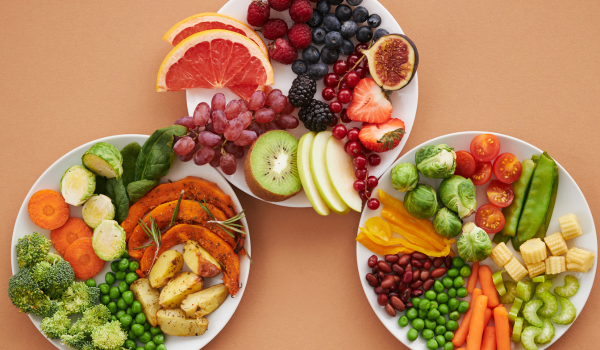
Simple routines reduce decision-making and stress. Meals built around familiar structures, such as including protein and vegetables, create consistency without rigidity.
This pattern-based approach allows flexibility while maintaining stability. It supports long-term habits rather than short-term control.
Modern life surrounds eating with pressure, distraction, and mixed messages that pull attention away from natural hunger and fullness. Technology, marketing, stress, and social expectations turn a biological need into a complicated daily challenge. By understanding these influences, people can begin to simplify eating again through awareness, routine, and respect for internal signals. Learn more about how modern habits shape appetite, explore ways to reconnect with your body, and take action today to make eating feel natural again.














.png)
.png)
.png)
.png)


.png)
.png)
.png)
.png)
.png)
.png)
.png)
.png)
.png)
.png)



.png)
.png)
.png)
.png)
.png)
.png)
.png)
.png)