
.png)
Energy is often treated as something temporary—something that comes and goes depending on sleep, motivation, or caffeine intake. In reality, long-term energy levels are strongly shaped by daily eating habits. What you eat, how often you eat, and how consistently you fuel your body all influence whether energy feels stable or unpredictable over time.
Short bursts of energy can be created through stimulants or sugar, but sustainable energy is built gradually. Eating habits form patterns that the body adapts to. When nourishment is steady and supportive, energy tends to feel more reliable. When eating habits are irregular or restrictive, fatigue often becomes a recurring part of daily life.
Energy Is Built From Repeated Daily Patterns
The Body Adapts To What It Repeatedly Experiences
When the body receives regular fuel, it learns to distribute energy efficiently. When fuel is inconsistent, the body shifts into conservation mode.
Energy Patterns Are Cumulative
Feeling tired every afternoon is often not caused by one meal, but by a series of choices made earlier in the day or across weeks.
Short-Term Fixes Do Not Create Long-Term Energy
Caffeine or sugar may temporarily mask fatigue, but they do not address underlying fuel needs.
How Meal Regularity Influences Energy Over Time
Irregular Eating Trains the Body to Expect Scarcity
When meals are frequently skipped or delayed, the body prepares for uncertainty by conserving energy.
Regular Meals Support Predictable Energy Output
Consistent nourishment helps stabilize blood sugar and reduces sharp energy drops.
Long-Term Consistency Matters More Than Perfect Timing
Exact meal times are less important than reliable patterns the body can trust.
The Role Of Balanced Meals In Sustained Energy
Carbohydrates Provide Immediate Fuel
Carbohydrates support daily movement and brain function.
Protein Supports Endurance And Recovery
Protein helps maintain muscle tissue and supports ongoing physical demands.
Fats Contribute To Long-Lasting Energy
Healthy fats help sustain energy between meals.
Balance Prevents Energy Extremes
Meals lacking balance often lead to quick energy spikes followed by crashes.
How Skipping Meals Affects Long-Term Energy
Repeated Skipping Increases Fatigue
While skipping may feel manageable short-term, over time it often leads to persistent low energy.
The Body Compensates By Slowing Down
Metabolic and hormonal adjustments may reduce overall energy availability.
Energy Becomes Less Reliable
People who skip meals often experience unpredictable energy swings.
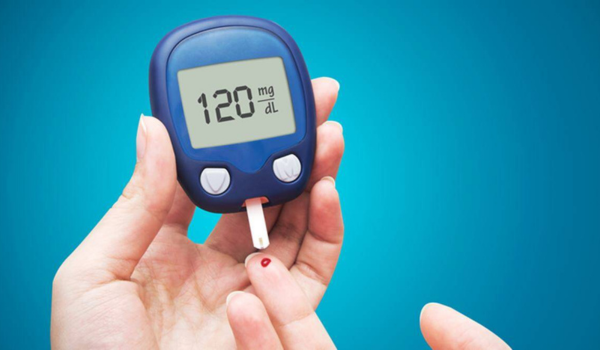
Blood Sugar Stability And Energy Patterns
Stable Blood Sugar Supports Steady Energy
Balanced meals and regular eating help prevent sharp fluctuations.
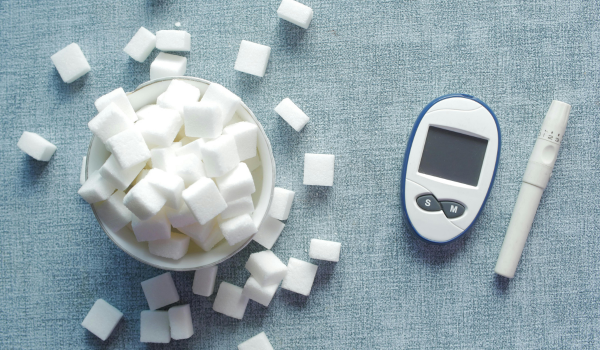
Frequent Spikes And Drops Drain Energy Over Time
Constant blood sugar swings increase fatigue and mental fog.
Long-Term Energy Depends On Stability, Not Peaks
Sustained energy comes from avoiding extremes rather than chasing highs.
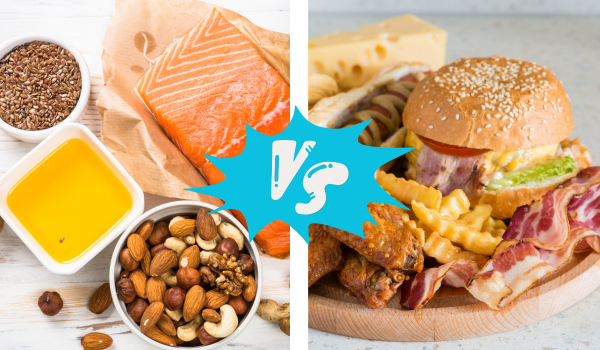
The Impact Of Food Quality On Energy Trends
Nutrient-Dense Foods Support Cellular Energy
Vitamins and minerals play roles in energy production at the cellular level.
Highly Processed Diets Can Increase Fatigue
Low nutrient density may leave the body under-fueled even when calories are consumed.
Food Quality Shapes How Energy Feels
Energy supported by nourishment feels steadier and more comfortable.
Eating Habits And Mental Energy
The Brain Requires Consistent Fuel
Mental fatigue often reflects low or inconsistent energy intake.
Irregular Eating Can Affect Focus And Motivation
Low fuel availability reduces concentration and decision-making ability.
Long-Term Mental Clarity Depends On Nourishment
Stable eating habits support sustained cognitive energy.
Hydration And Its Role In Energy Patterns
Dehydration Mimics Fatigue
Low fluid intake can cause tiredness, headaches, and low motivation.
Hydration Supports Circulation And Oxygen Delivery
Proper hydration helps nutrients reach cells efficiently.
Chronic Mild Dehydration Affects Daily Energy
Energy may feel persistently low without obvious cause.
Why Energy Declines With Restrictive Eating
Restriction Reduces Available Fuel
Over time, the body adapts by lowering energy output.
Physical And Mental Fatigue Increase
Low energy availability affects both body and mind.
Sustainable Energy Requires Adequate Intake
Energy improves when the body feels consistently supported.
How Eating Habits Influence Energy Across Life Stages
Energy Needs Change Over Time
Age, activity level, stress, and health influence fuel requirements.
Rigid Habits Can Create Energy Mismatches
What worked once may not support current needs.
Adaptable Habits Support Long-Term Energy
Flexibility allows energy patterns to remain stable.
Building Eating Habits That Support Long-Term Energy
Eat Regularly Enough
Avoid long gaps that lead to energy crashes.
Build Balanced Meals Most Of The Time
Balance supports steady fuel availability.
Respond To Early Energy Signals
Fatigue and irritability are often early signs of fuel needs.
Focus On Patterns, Not Perfection
Energy improves when habits are consistent, not flawless.
Signs Your Eating Habits May Be Affecting Energy Patterns
-
Daily afternoon crashes
-
Persistent fatigue despite sleep
-
Reliance on caffeine to function
-
Brain fog or low motivation
-
Energy spikes followed by sharp drops
These patterns often reflect habitual fuel imbalance rather than personal limitations.
Long-Term Benefits Of Supportive Eating Habits
More Predictable Energy
Daily energy feels steadier.
Improved Physical Endurance
Routine movement feels easier.
Better Mental Clarity
Focus and motivation improve.
Reduced Dependence On Stimulants
Energy comes from nourishment rather than quick fixes.
Conclusion
Long-term energy is shaped not by isolated meals or temporary solutions, but by consistent eating habits practiced day after day. Regular nourishment, balanced meals, hydration, and flexibility help the body maintain steady energy patterns that support both physical and mental demands.
When eating habits align with the body’s needs, energy becomes more reliable and less reactive. Over time, these patterns support not only productivity but overall well-being. Explore more practical nutrition guidance on Health365s.com to continue building habits that support sustained energy in everyday life.















.png)
.png)
.png)
.png)


.png)
.png)
.png)
.png)
.png)
.png)
.png)
.png)
.png)
.png)




.png)
.png)
.png)
.png)
.png)
.png)
.png)
.png)

