
Yams and sweet potatoes are often confused with each other, but they are two different vegetables with distinct nutritional profiles. While both are carbohydrate-rich root vegetables, yams tend to contain more fiber and complex carbohydrates, whereas sweet potatoes stand out for their high vitamin A content and naturally sweeter taste.
Nutrition Snapshot of Yams and Sweet Potatoes
How their nutrients compare
When comparing 100 grams of cooked yam and sweet potato, both provide energy and essential nutrients, but in different proportions. Yams contain more carbohydrates, fiber, potassium, and slightly more calories. Sweet potatoes contain more natural sugars but significantly more vitamin A and vitamin C.
Yams are also lower in sugar and higher in complex starches, which affects how they influence blood sugar levels.
Key Nutritional Differences
Carbohydrates, fiber, and sugar
Yams provide more total carbohydrates and fiber than sweet potatoes, while sweet potatoes contain more naturally occurring sugars. The higher fiber and complex carbohydrate content in yams allows for slower digestion, which may help stabilize blood sugar.
Sweet potatoes, while lower in total carbohydrates and calories, digest more quickly and can have a stronger effect on blood sugar depending on how they are prepared.
Sweet Potatoes and Vitamin A
Support for vision and immunity
Sweet potatoes are exceptionally rich in vitamin A due to their beta-carotene content. A 100-gram serving of cooked sweet potato provides more than 100% of the daily recommended intake for vitamin A.
Vitamin A plays a vital role in eye health, immune defense, skin integrity, and the proper functioning of the heart and lungs. Yams contain only trace amounts of this nutrient in comparison.
Sweet Potatoes and Vitamin C
Antioxidant and tissue repair benefits
Sweet potatoes also contain more vitamin C than yams. Vitamin C helps protect cells from oxidative damage caused by pollution, ultraviolet radiation, and smoking. It also supports collagen production, wound healing, bone health, and iron absorption.
Calories and Carbohydrate Density
Choosing for calorie control
Sweet potatoes contain fewer calories and carbohydrates per serving than yams, which may make them more suitable for people following lower-calorie or lower-carbohydrate eating patterns.
Yams, while higher in calories, provide longer-lasting energy due to their higher fiber and complex starch content.
Glycemic Index and Blood Sugar Impact
Yams digest more slowly
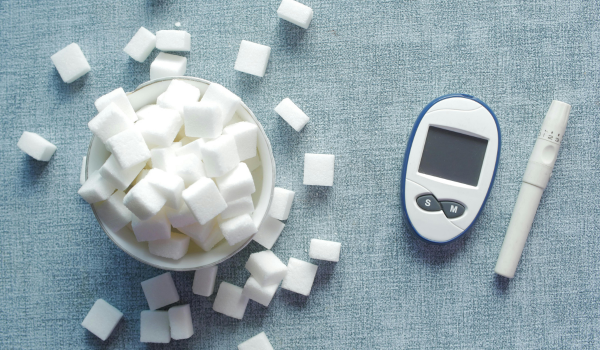
Yams generally have a lower glycemic index than sweet potatoes. This means they raise blood sugar more gradually, making them a potentially better option for people managing diabetes or insulin sensitivity.
The glycemic index of yams varies by variety and cooking method. Boiled white and water yams tend to have the lowest glycemic impact, while yellow yams may have a moderate to high glycemic index regardless of preparation.
Sweet potatoes typically fall into the moderate-to-high glycemic range, especially when baked or mashed.
Potassium Content
Mineral support for muscles and heart health
Yams provide more potassium than sweet potatoes. Potassium is essential for maintaining normal heart rhythm, muscle contractions, nerve signaling, and kidney function.
A 100-gram serving of cooked yam provides a greater percentage of daily potassium needs than the same amount of sweet potato.
Vitamin B6 Similarities
Shared support for metabolism and brain function
Both yams and sweet potatoes provide similar amounts of vitamin B6. This vitamin plays an important role in protein metabolism and neurotransmitter production, supporting brain health and nervous system function.
Availability in the United States
Why most “yams” are actually sweet potatoes
True yams are rarely found in U.S. grocery stores. Historically, orange-fleshed sweet potatoes were marketed as “yams,” and the name has persisted. As a result, most products labeled as yams in the U.S. are actually sweet potatoes.
True yams have rough, bark-like skin and a dry, starchy texture. Sweet potatoes have smoother skin, a naturally sweet flavor, and a moist, creamy texture when cooked.
Taste, Texture, and Culinary Uses
How to cook and enjoy each
Sweet potatoes are naturally sweet with a soft, creamy texture when cooked. They work well in both savory dishes and desserts.
Yams are less sweet and more neutral in flavor. They are firmer and starchier when cooked, making them suitable for soups, stews, and savory dishes.
Both can be boiled, roasted, baked, or fried, but yams should never be eaten raw, as some varieties can be toxic when uncooked.





.png)
.png)
.png)
.png)
.png)
.png)
.png)
.png)
.png)
.png)
.png)
.png)
.png)
.png)



.png)
.png)
.png)
.png)
.png)
.png)
.png)
.png)

