
.png)
Some jobs simply do not include a formal lunch break. Healthcare workers, retail staff, delivery drivers, teachers, hospitality employees, and many others often work through traditional mealtimes. When there is no designated pause for eating, hunger must compete with productivity, responsibility, and constant movement. Over time, this reshapes appetite signals, food choices, and energy levels. Understanding how to eat well without a lunch break helps restore structure in environments where the clock does not naturally provide one.
How The Absence Of A Lunch Break Alters Hunger Signals
Delayed Recognition Of Hunger
When work demands are continuous, attention shifts away from internal cues. Hunger may arise but go unnoticed because tasks take priority. By the time awareness returns, appetite may feel intense and urgent.
Repeatedly postponing meals teaches the body to adapt. Hunger hormones may rise more sharply later in the day, while midday signals become muted. This adaptation can make it harder to predict when energy is needed.
Intense Evening Appetite
Without a structured midday meal, the body compensates later. Dinner may become the largest meal of the day, not by design but by necessity.
This shift is a biological response to prolonged energy deficit. Rapid eating and larger portions often follow, especially if fatigue is also present.
Energy Fluctuations During Continuous Work
Midday Energy Dips
Without steady fuel, concentration and physical stamina may decline. Energy dips are sometimes misinterpreted as stress or lack of sleep when they are actually related to missed nourishment.
Short bursts of sugary snacks may temporarily improve alertness, but they often lead to further energy fluctuations.
Mental Fatigue And Food Choices
Decision-making becomes harder as fatigue increases. When no lunch break exists, workers may rely on whatever is immediately accessible, often processed snacks or convenience foods.
These choices are practical but may not support sustained energy.
Practical Approaches To Eating Without A Formal Break
Using Structured Micro-Breaks
Even in demanding jobs, small pauses often occur naturally between tasks. Using these brief windows intentionally allows for structured nourishment.
Rather than random grazing, planning two or three short eating moments creates a sense of meal structure, even without a traditional break.
Prioritizing Balanced Portable Foods
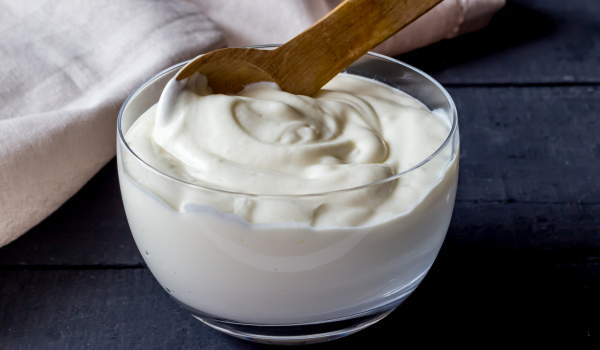
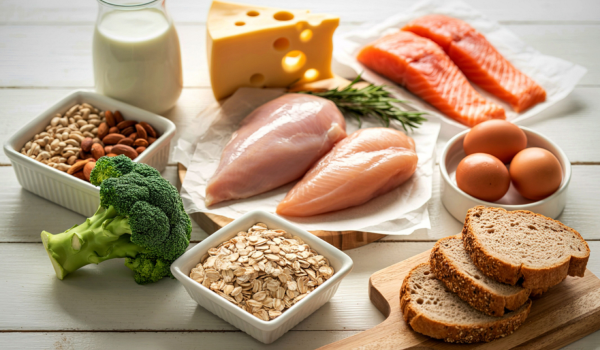
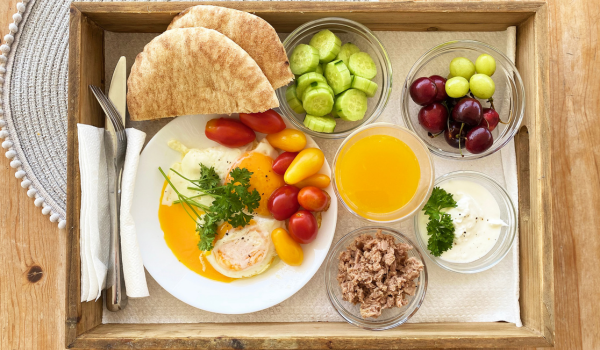
Foods that combine protein, fiber, and healthy fats support longer-lasting satiety. Examples include yogurt with nuts, whole-grain wraps with lean protein, or fruit paired with nut butter.
Balanced options reduce the need for frequent snacking and stabilize energy.
Replacing A Traditional Lunch With Strategic Intake
Dividing A Meal Into Portions
If sitting down for one meal is impossible, dividing a balanced lunch into smaller containers can mimic the effect of a full meal.
Consuming these portions intentionally over a few hours maintains energy without overwhelming digestion.
Avoiding Continuous Grazing
Constant small bites without awareness weaken hunger cues. Instead, grouping intake into defined mini-meals preserves structure and satiety.
Clear beginnings and endings—even brief ones—help the body register nourishment.
Managing Hydration And Appetite
Separating Thirst From Hunger
In busy environments, thirst is often mistaken for hunger. Keeping water accessible supports clearer appetite awareness.
Hydration improves focus and reduces fatigue-related cravings.
Using Beverages Wisely
While meal replacement drinks can be convenient, pairing them with solid food enhances satiety. Liquids alone may digest quickly and fail to satisfy fully.
Combining textures strengthens fullness signals.
Emotional And Psychological Factors
Stress-Driven Eating
High-pressure jobs without breaks elevate stress hormones. Food may become a coping tool during moments of relief.
Recognizing the difference between emotional release and physical hunger supports better choices.
Loss Of Meal Ritual
Lunch breaks traditionally provide a mental reset. Without them, eating may feel rushed and mechanical.
Reintroducing even a brief intentional pause restores some of that ritual and improves satisfaction.
Supporting Evening Balance
Preventing Extreme Hunger At Dinner
Including protein-rich snacks during the day reduces intense evening appetite.
When hunger is moderate rather than severe, portion control becomes more natural.
Creating A Clear Dinner Routine
After a long workday, separating work from dinner with a short transition helps reset attention.
Even a few minutes of decompression before eating improves satiety.
Long-Term Adaptation And Health
Consistency Over Perfection
The body responds to patterns over time. Even without formal breaks, consistent micro-meals can stabilize appetite.
Small, repeated strategies matter more than occasional large adjustments.
Respecting Biological Needs
Jobs may not pause for meals, but biology does not stop. Energy, focus, and recovery depend on adequate nourishment.
Supporting intake within constraints honors these needs.
Building Sustainable Strategies
Meal Preparation For Accessibility
Preparing portable foods in advance reduces reliance on convenience options.
Simple, repeatable meals work better than complex recipes in time-limited settings.
Communicating Needs When Possible
When workplace culture allows, advocating for brief nourishment pauses benefits both health and productivity.
Even minimal support can improve eating consistency.
Working without a lunch break reshapes hunger signals, energy stability, and dinner patterns. Continuous tasks often push nourishment aside until appetite becomes urgent. By using structured micro-breaks, planning balanced portable foods, and creating intentional eating moments, it is possible to maintain steady energy even in demanding roles. Learn more about how work structure influences appetite, explore practical strategies that fit your job, and take action today to build eating habits that support both performance and well-being.




.png)
.png)
.png)
.png)

.png)
.png)
.png)
.png)
.png)
.png)
.png)
.png)
.png)
.png)

.png)
.png)
.png)
.png)
.png)
.png)
.png)

