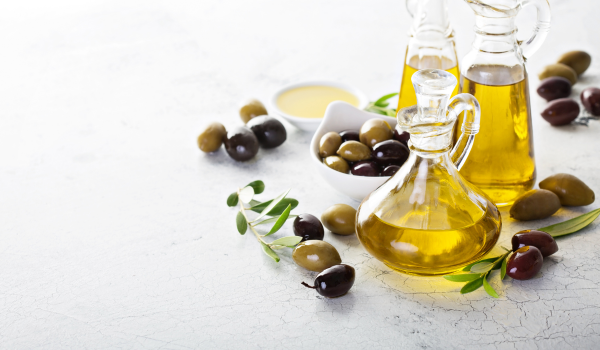
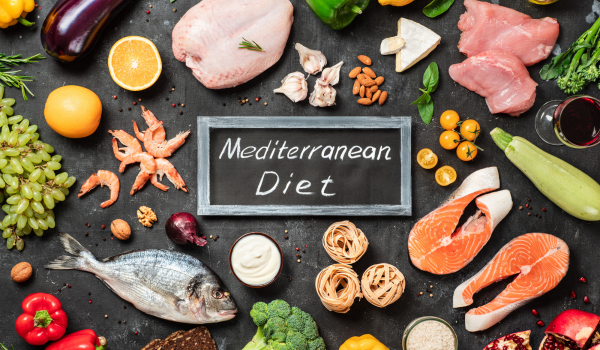
Olive oil is a plant-based fat produced by crushing and pressing olives to extract their oil. It is a cornerstone of the Mediterranean diet and is widely recognized for its role in supporting cardiovascular health and reducing chronic inflammation. Olive oil contains a wide range of bioactive compounds that influence blood pressure, inflammation, and long-term disease risk.
Supports Heart Health
Heart disease remains the leading cause of death in the United States. Diet and lifestyle choices play a major role in reducing cardiovascular risk by improving blood lipid levels, lowering blood pressure, and supporting healthy blood vessel function.
What atherosclerosis means
Atherosclerosis refers to the gradual buildup of plaque inside the arteries. This plaque consists of cholesterol, fats, blood cells, and other substances that restrict blood flow over time. Atherosclerosis is a primary driver of heart attacks and strokes.
Diets rich in olive oil, particularly Mediterranean-style diets, are consistently associated with lower rates of atherosclerosis and reduced levels of low-density lipoprotein (LDL) cholesterol. Olive oil contains phenolic antioxidants that suppress inflammatory pathways involved in plaque formation.
What the research shows
Long-term studies indicate that people who consume olive oil regularly experience slower progression of atherosclerosis. Research has also found that consuming more than half a tablespoon of olive oil daily is associated with a significantly lower risk of developing heart disease.
High In Antioxidants
Olive oil contains more than 200 bioactive plant compounds, including polyphenols, sterols, and carotenoids. Key compounds such as hydroxytyrosol and hydroxytyrosol acetate function as powerful antioxidants that help neutralize free radicals and reduce oxidative stress.
How antioxidants affect inflammation
Oxidative stress triggers inflammatory processes that contribute to chronic diseases. Olive oil antioxidants have been shown to lower inflammatory markers such as C-reactive protein (CRP) and interleukin-6 (IL-6).
Clinical research suggests that olive oil may be particularly beneficial for individuals with inflammatory conditions such as rheumatoid arthritis. Higher olive oil intake has been linked to reduced inflammation severity and lower levels of inflammatory biomarkers.
May Help Lower Blood Pressure
Blood pressure regulation is closely tied to vascular function and inflammation. Olive oil’s high content of monounsaturated fats, particularly oleic acid, supports flexible blood vessels and improved endothelial function.
Regular olive oil consumption has been associated with modest but meaningful reductions in both systolic and diastolic blood pressure. These effects are most pronounced when olive oil replaces saturated fats such as butter or margarine in the diet.
May Reduce The Risk Of Chronic Diseases
Adding olive oil to the diet may lower the risk of several common chronic conditions, including type 2 diabetes, cardiovascular disease, and premature mortality.
What large studies suggest
Research consistently shows that higher olive oil intake is associated with improved blood sugar control and reduced risk of developing type 2 diabetes. Olive oil consumption has also been linked to lower all-cause mortality and reduced deaths related to cancer, neurodegenerative diseases, and respiratory conditions.
Replacing saturated fats with olive oil appears to provide additional protective effects, further reducing long-term disease risk.
Olive Oil Nutrition
Olive oil is rich in unsaturated fats and vitamin E, a fat-soluble antioxidant that supports immune function and protects cells from oxidative damage.
Per one tablespoon of olive oil
Calories: 126
Total fat: 14 grams
Saturated fat: 2.17 grams
Monounsaturated fat: 9.58 grams
Polyunsaturated fat: 1.33 grams
Vitamin E: 20% of the Daily Value
Vitamin E deficiency is common, and regular olive oil consumption can help close this nutritional gap.
Are There Any Risks?
Olive oil is safe for most people. Individuals with olive allergies should avoid it entirely.
Because olive oil is calorie-dense, moderation is important—especially for people managing weight or those advised to limit fat intake for medical reasons. When used appropriately, olive oil fits well into a balanced diet.
Tips For Using Olive Oil
Olive oil is suitable for many cooking and preparation methods, particularly low-to-moderate heat applications.
Understanding smoke points
Extra virgin olive oil has a lower smoke point and is best used for drizzling, sautéing, or baking at moderate temperatures. Refined olive oil has a higher smoke point and is better suited for higher-heat cooking.
Simple ways to add olive oil
Use olive oil in homemade salad dressings and sauces
Drizzle over cooked vegetables, grains, or pasta
Replace butter with olive oil for baking or sautéing
Use as a base for dips with garlic and herbs
Add to fruit-based dishes for flavor contrast


.png)










.png)
.png)
.png)
.png)


.png)
.png)
.png)
.png)
.png)
.png)
.png)
.png)
.png)
.png)



.png)
.png)
.png)
.png)