
The United States has released newly updated dietary guidelines, introducing a number of noteworthy shifts in how Americans are advised to eat. Published jointly by the U.S. Department of Agriculture (USDA) and the Department of Health and Human Services (HHS), the recommendations are created every five years to guide consumers and help shape nutrition education programs nationwide.
Compared with previous versions, the 2025 edition offers some bold changes—while still reinforcing several long-standing principles that support overall health.
Here’s a closer look at what’s different, what’s controversial, and what has stayed consistent.
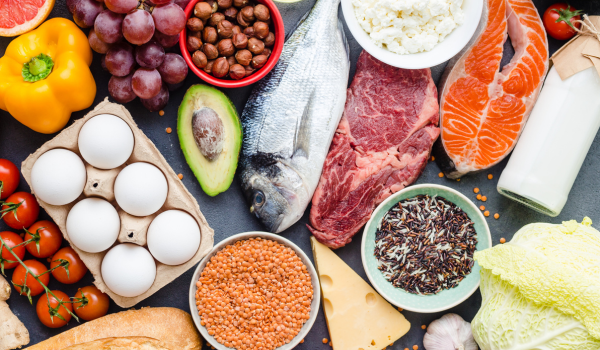
A Greater Emphasis On Protein
Unlike past guidance that positioned protein as one of several core food groups, the new guidelines recommend prioritizing protein intake at every meal. Suggested intake now ranges between 1.2 and 1.6 grams of protein per kilogram of body weight per day—much higher than the World Health Organization’s longstanding estimate of 0.8 grams per kilogram.
Experts warn that protein requirements vary widely based on factors like age, weight, activity level, and general health status. Many Americans already consume more than enough protein, particularly from meat. The new framework’s heavier emphasis on red meat and animal protein also raises concerns about higher saturated fat intake, which may offset potential benefits if people do not prioritize lean sources such as poultry, fish, or plant-based proteins.
A Shift Toward Full-Fat Dairy And Butter
One of the most notable reversals is the updated stance on dietary fat. The new guidelines encourage full-fat dairy products like whole milk, yogurt, and cheese—along with butter—rather than low-fat alternatives previously recommended.
Supporters point to research suggesting full-fat dairy is not strongly linked with increased risks for heart disease, diabetes, or weight gain, and may even offer protective benefits. Critics argue that encouraging full-fat dairy without clear messaging around saturated fat could unintentionally promote overconsumption—especially when many Americans already struggle with elevated cholesterol and high rates of heart disease.
A Push Away From Highly Processed Foods
The new guidelines take a harder stance on ultraprocessed foods (UPFs), urging Americans to drastically reduce intake. The message is straightforward: prioritize minimally processed, whole-food ingredients whenever possible.
While many organizations welcome this direction, experts note that the concept of “ultraprocessed” lacks clear legal definition, potentially leaving consumers unsure which products should be limited. Still, reducing reliance on UPFs aligns with research linking them to chronic conditions such as obesity, cardiovascular disease, and metabolic dysfunction.
Stronger Limits On Added Sugars
Previous guidelines suggested limiting added sugars; the new version takes a firmer position by stating that added sugar is not part of a healthy diet at all. In addition, it suggests capping added sugar to no more than 10 grams per meal.
However, dietitians caution that sugar avoidance is extremely difficult in practice, especially given the widespread use of added sweeteners in packaged foods. They also note that a per-meal sugar limit may confuse the public—someone eating three meals a day has a very different limit than someone eating six.
Vaguer Alcohol Guidance
Instead of the prior numeric limits (two drinks per day for men, one for women), the new guidelines simply state: consume less alcohol.
Certain groups—pregnant individuals, for example—are advised to avoid alcohol completely. Even moderate drinking is now understood to elevate cancer risk and negatively impact long-term health, shaping this more cautious approach.
What Stayed The Same
Despite the updates, several pillars of previous guidance remain intact.
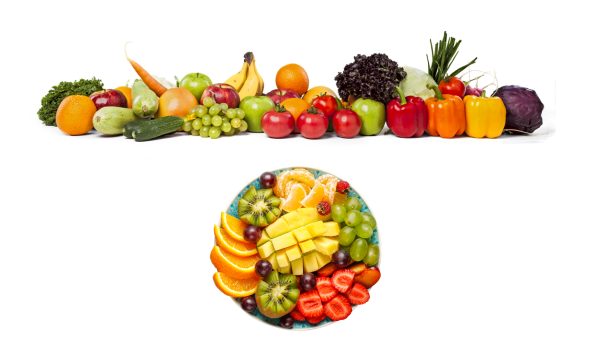
Fruits and vegetables are still foundational to a nutritious diet, with strong scientific evidence linking produce-rich diets to lower chronic disease risk.
Whole grains continue to be encouraged, with a suggested two to four servings daily and a push to make at least half of grains whole.
The new policy also reinforces limiting added sugars, echoing past messaging while strengthening the stance.
The Bottom Line
The new dietary guidelines represent a noticeable shift, promoting more protein, encouraging full-fat dairy, restricting highly processed foods, and discouraging added sugars and alcohol.
However, nutrition experts stress individualization. Body type, family history, activity level, and personal preference all influence what a sustainable, healthy dietary pattern looks like.
What remains constant is the core message seen across every edition—build meals around nutrient-dense whole foods, lean proteins, whole grains, fruits, and vegetables for long-term health.


.png)

















.png)
.png)
.png)
.png)


.png)
.png)
.png)
.png)
.png)
.png)
.png)
.png)
.png)
.png)



.png)
.png)
.png)
.png)

