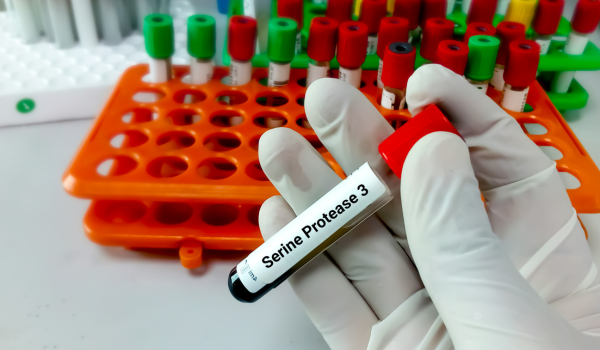
Protease, also called a proteolytic enzyme, is an enzyme responsible for breaking down protein into smaller units the body can absorb and use. Beyond digestion, protease plays an essential role in blood clotting, cell repair, inflammation control, and normal cellular communication.
Your body naturally produces protease, primarily in the stomach and pancreas. However, protease is also found in certain foods and is available in supplement form for people who may need additional support.
Types of Proteases
There are hundreds of different proteases in the human body, each serving a specific role.
digestive proteases
Digestive proteases are produced mainly by the stomach and pancreas to help break dietary protein into peptides and amino acids.
Some of the most important digestive proteases include:
-
pepsin, produced in the stomach and activated by stomach acid
-
trypsin, released by the pancreas and activated in the small intestine
-
chymotrypsin, also produced by the pancreas and involved in protein digestion
Proteases are also found naturally in certain foods and are widely used in food preparation and manufacturing. Some digestive proteases, such as pepsin and trypsin, are commonly included in enzyme supplements.
Benefits of Proteases
Proteases are vital for many biological processes. In supplement form, they may also help manage specific health concerns.
Essential for Digestion and Body Functions
Proteases are necessary for proper protein digestion.
protein absorption and metabolism
Without proteases like pepsin and trypsin, the body would not be able to break down dietary protein efficiently or absorb amino acids needed for muscle repair, hormone production, and immune health.
Beyond digestion, proteases are involved in:
-
blood clot formation
-
inflammation regulation
-
wound healing
-
cell signaling and communication
Proteases are also required for apoptosis, the process of programmed cell death that removes damaged or abnormal cells. This process plays an important role in disease prevention and overall cellular health.
May Help Manage Certain Health Conditions
Some people do not produce enough protease due to digestive or pancreatic disorders.
digestive support
Protease supplements may help improve digestion and reduce symptoms such as bloating, gas, and discomfort in individuals with impaired enzyme production.
People with pancreatic insufficiency—caused by conditions such as cystic fibrosis or pancreatic disease—often require pancreatic enzyme replacement therapy, which includes proteases.
Digestive enzyme supplementation may also support people with inflammatory bowel disease when used alongside prescribed medications. Some evidence suggests enzyme supplements may help reduce digestive symptoms in people with celiac disease or age-related indigestion.
How Much Protease Do You Need?
Most healthy individuals produce sufficient protease naturally.
when supplementation is needed
Supplemental proteases are typically only necessary for people with medical conditions that interfere with enzyme production or digestion. In these cases, dosage should be determined by a healthcare provider based on individual needs.
Good Food Sources of Proteases
Proteases are found in both plant-based and animal-based foods.
natural dietary sources
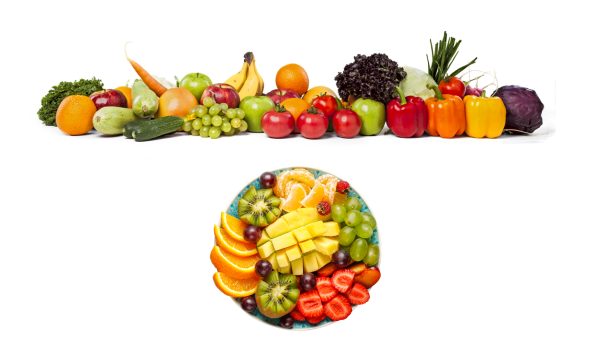
Foods that naturally contain proteases include:
-
pineapple, which contains bromelain
-
papaya, a source of papain
-
fermented foods such as miso, sourdough, and tempeh
-
ginger
-
kiwi
-
certain aged cheeses
Bromelain and papain are particularly known for their anti-inflammatory properties in addition to aiding digestion.
What to Know About Protease Supplements
Digestive enzyme supplements often contain one or more proteases.
who may benefit
People with digestive disorders such as irritable bowel syndrome or pancreatic insufficiency may be advised by a healthcare provider to use enzyme supplements containing proteases like bromelain, pepsin, pancreatin, or trypsin.
Bromelain supplements are also sometimes used for their anti-inflammatory effects and may help reduce pain associated with conditions like arthritis.
Because dietary supplements are not regulated as strictly as medications, choosing products that have been third-party tested can help ensure quality and label accuracy.
Important Safety Considerations
Protease supplements are generally safe when used appropriately, but caution is still necessary.
possible side effects and interactions
High doses of digestive enzyme supplements may cause side effects such as stomach irritation, diarrhea, nausea, or vomiting.
Certain proteases, such as bromelain, may interact with medications. For example, bromelain may increase bleeding risk when taken with blood-thinning drugs.
Anyone considering protease supplementation—especially those taking medications or managing chronic health conditions—should consult a healthcare provider first.
A Quick Review
Proteases are enzymes essential for protein digestion, blood clotting, inflammation control, and cell repair. The body naturally produces proteases, but supplementation may be necessary for people with certain digestive or pancreatic conditions.
If you suspect enzyme deficiency or are considering protease supplements, professional medical guidance is recommended to ensure safe and effective use.


.png)







.png)
.png)
.png)
.png)

.png)
.png)
.png)
.png)
.png)
.png)
.png)
.png)
.png)
.png)



.png)
.png)
.png)
.png)