

Eggs have gone from being feared as cholesterol bombs to winning back their place on the breakfast table. For decades, health guidelines suggested limiting eggs to three per week to protect the heart. However, updated evidence since 2015 shows that eggs may not be the threat many assumed—and may even offer cardiovascular benefits.
Increase ‘Good’ Cholesterol Levels
Understanding Dietary Cholesterol
A large egg contains around 186 milligrams of cholesterol, which once raised concerns about heart health. Cholesterol is natural and necessary, but excess levels in the blood may contribute to plaque buildup in arteries.
Experts now agree that saturated fat increases blood cholesterol far more than dietary cholesterol. Foods like butter, full-fat dairy, and fatty meats influence blood cholesterol significantly more than eggs.
When cholesterol is consumed, the digestive system breaks it down rather than absorbing it whole. Saturated fat is processed differently—its breakdown produces chains of fatty acids that can raise cholesterol circulating in the blood.
Eggs And HDL vs LDL
Eggs contain both LDL (so-called “bad” cholesterol) and HDL (“good” cholesterol), but studies suggest eggs elevate HDL more than LDL. Higher HDL helps carry excess cholesterol away from the arteries, which improves your overall cardiovascular profile.
Might Protect Against Heart Disease And Stroke
A large 2018 population study found no link between eating up to one egg per day and a higher risk of heart disease—even among people genetically predisposed to cardiovascular problems.
In fact, participants who consumed eggs daily had an:
• 11% lower risk of heart disease
• 26% lower risk of hemorrhagic stroke, a condition in which ruptured blood vessels cause bleeding in the brain
These findings suggest moderate egg intake may support heart and brain health rather than harm it.
Nutrition
One raw large egg provides:
Calories: 71.5
Fat: 4.76 g
Sodium: 71 mg
Carbohydrates: 0.36 g
Fiber: 0 g
Added sugars: 0 g
Protein: 6.3 g
Eggs are a rich source of complete protein, which helps repair tissues, maintain lean mass, and keep you satisfied after meals. Including protein at breakfast—such as adding eggs to oatmeal—may help prevent mid-morning hunger and stabilize energy.
Additional Key Nutrients
Choline: Supports memory, mood regulation, and muscle control
Vitamin E: Helps protect cells against oxidative damage
Vitamin D: Important for immunity and bone strength
Folate: Supports healthy red blood cell formation
Risks
Egg Allergy Considerations
Egg allergy is one of the most common food allergies in children. People with egg allergies should avoid eggs entirely unless advised otherwise by a clinician. Some evidence suggests cooked yolks may be less reactive than raw or lightly cooked whites.
Food Safety
Raw or undercooked eggs may carry Salmonella bacteria, which can lead to vomiting, diarrhea, and abdominal pain. Children, older adults, pregnant people, and those with weakened immune systems are more vulnerable to complications.
In pregnancy, Salmonella may increase the risk of preterm birth or—in rare cases—cause bacteremia, sepsis, or infection that reaches the fetus.
Alternatives
Vegan eggs offer a plant-based replacement for those avoiding eggs for allergy, ethical, or food safety reasons. Early studies show they may offer comparable nutrition in some cases.
Tips For Consuming Eggs
Store eggs in their original carton—not on the refrigerator door—to keep them fresh for three to five weeks.
Enjoy eggs in a variety of ways, such as:
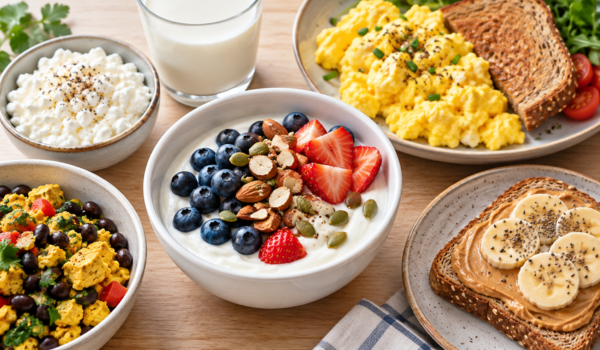
• Scrambled eggs with fruit and whole-grain toast
• A veggie-packed breakfast hash
• Hard-boiled eggs sliced over a salad for lunch or dinner

.png)













.png)
.png)
.png)
.png)

.png)
.png)
.png)
.png)
.png)
.png)
.png)
.png)
.png)
.png)



.png)
.png)
.png)
.png)

