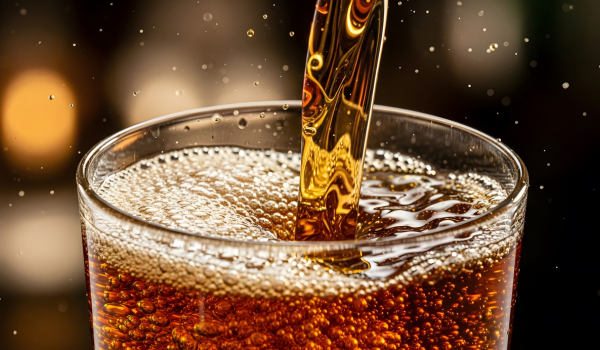
Many Americans drink at least one sugar-sweetened beverage every day, most commonly soda. While it may be refreshing, frequent soda consumption has been strongly linked to health issues such as obesity, type 2 diabetes, and heart disease. Because of these risks, reducing soda intake has become an increasingly common health goal.
If you stop drinking soda regularly, your body begins to go through several short- and long-term changes. Here’s what you may notice—and how to make the transition easier.
You May Experience Temporary Withdrawal Symptoms
Cutting out soda can feel uncomfortable at first. Sugar stimulates dopamine pathways in the brain, and removing it may cause temporary symptoms such as irritability, low mood, or cravings.
Most sodas also contain caffeine, so stopping suddenly can lead to headaches, fatigue, and sluggishness for a few days. These effects are usually mild and tend to resolve quickly as your body adjusts.
Your Energy and Focus May Improve
Soda often causes rapid blood sugar spikes followed by crashes one to two hours later. These fluctuations can leave you feeling tired, unfocused, and hungry soon after drinking it.
When you stop drinking soda, blood sugar levels become more stable. Many people report improved concentration, steadier energy, and fewer cravings within a few days.
You May Feel Less Bloated
Carbonated drinks can contribute to gas buildup in the digestive system. Once soda is removed from your routine, bloating and gassiness may decrease, especially if you replace it with still water or lightly flavored beverages.
Your Risk of Type 2 Diabetes May Decrease
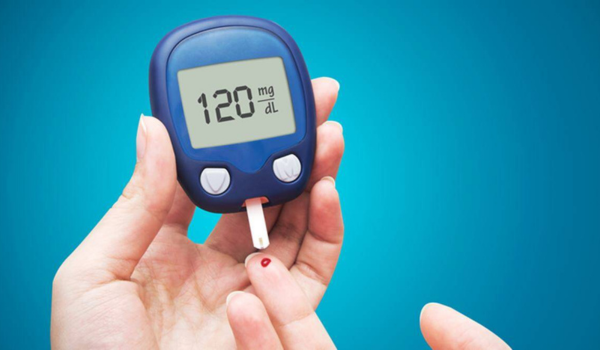
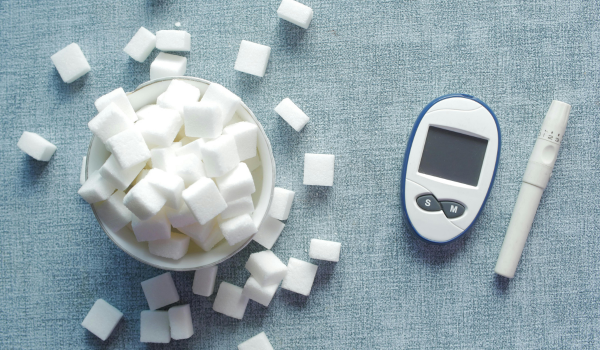
Sugar-sweetened beverages are one of the strongest dietary risk factors for type 2 diabetes. Studies show that reducing or eliminating soda can improve insulin sensitivity and help regulate blood sugar levels over time.
Even stopping diet soda may be beneficial. Some research suggests that replacing diet soda with water can improve blood glucose control, particularly in people with existing diabetes.
You May Gradually Lose Weight
Soda provides calories without meaningful nutrients. Removing it from your diet can significantly reduce daily calorie intake, which may support weight loss or weight maintenance.
That said, overall calorie balance still matters. Weight loss is more likely if soda is replaced with low-calorie drinks rather than other high-calorie alternatives.
Your Skin May Look Healthier
High intake of refined sugars has been linked to inflammation and skin issues, including acne. Cutting back on soda may support clearer skin, especially over time and when paired with a balanced diet.
Your Long-Term Health Outlook May Improve
Long-term soda consumption has been associated with increased risk of early death, heart disease, diabetes, and metabolic disorders. Excess sugar places stress on the body by increasing insulin levels, promoting fat storage, and driving chronic inflammation.
Reducing or eliminating soda may help lower these risks and support better metabolic, cardiovascular, and brain health over the long term.
Tips for Cutting Back Gradually
You don’t need to quit soda overnight. These strategies can help make the transition easier:
-
Reduce portion sizes instead of stopping all at once
-
Replace soda with sparkling water or low-sugar kombucha
-
Read labels to avoid hidden sugars in alternative drinks
-
Dilute 100% fruit juice with water for flavor without excess sugar
-
Keep a reusable water bottle nearby to reduce temptation
Bottom Line
Stopping regular soda consumption can lead to short-term adjustment symptoms, but the long-term benefits are substantial. From better energy and digestion to lower risk of chronic disease, cutting back on soda is a simple change that can meaningfully improve overall health.


.png)











.png)
.png)
.png)
.png)


.png)
.png)
.png)
.png)
.png)
.png)
.png)
.png)
.png)
.png)




.png)
.png)
.png)
.png)